Self adhesive labels are mainly divided into four types: permanent, removable, repositionable, and special purpose. Each type uses a special label adhesive suitable for different surfaces and application scenarios. The type of label adhesive affects the label’s adhesion and clarity. This is crucial for product performance and user satisfaction across various industries. The table below shows the global popularity of each sticker type:
| Type of Sticker | Market Share (%) | Growth Rate (CAGR) |
|---|---|---|
| Label Stickers | 72.2% | N/A |
| Paper Stickers | 41.5% | N/A |
| Vinyl Stickers | N/A | 5.5% |
| Eco-friendly Stickers | N/A | 7.5% (2025-2033) |
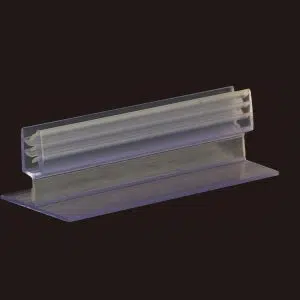
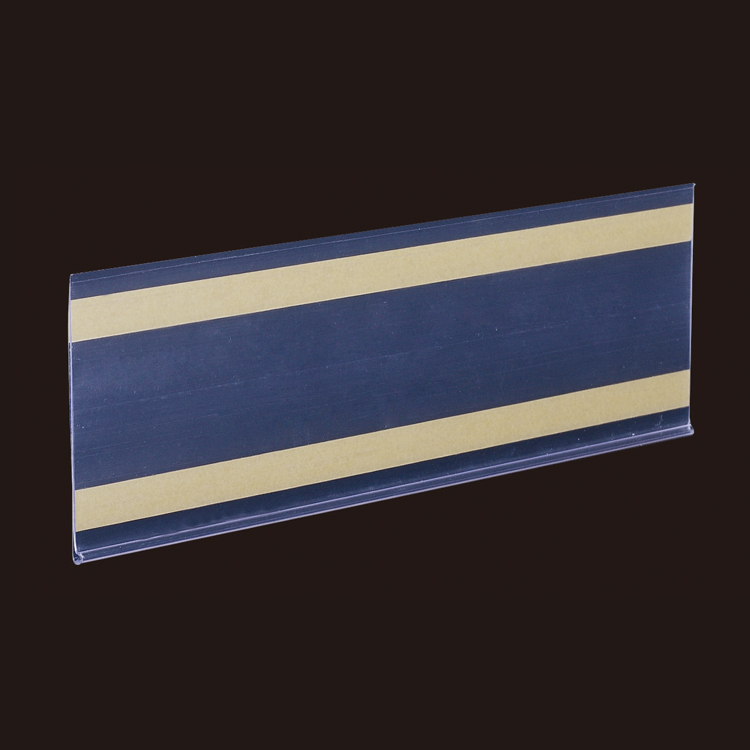
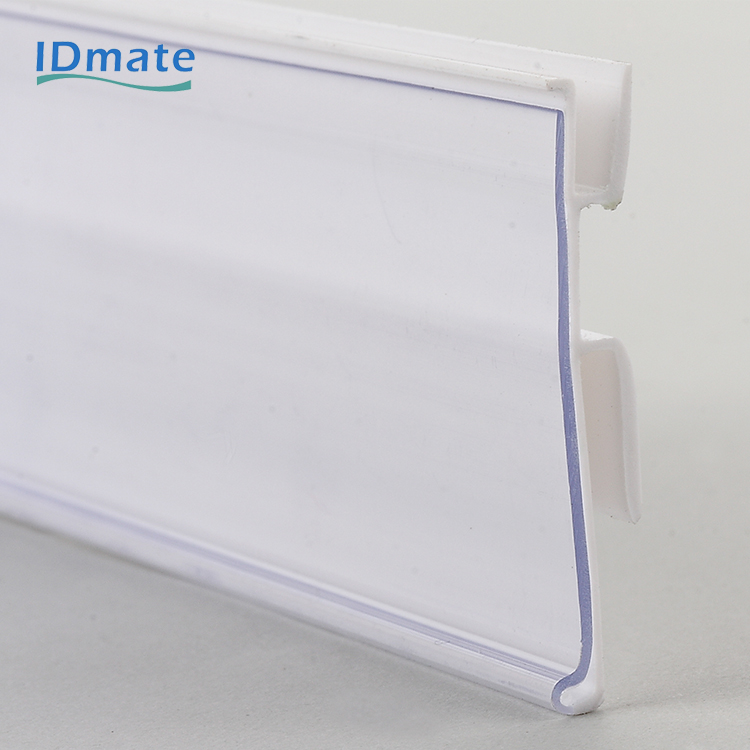
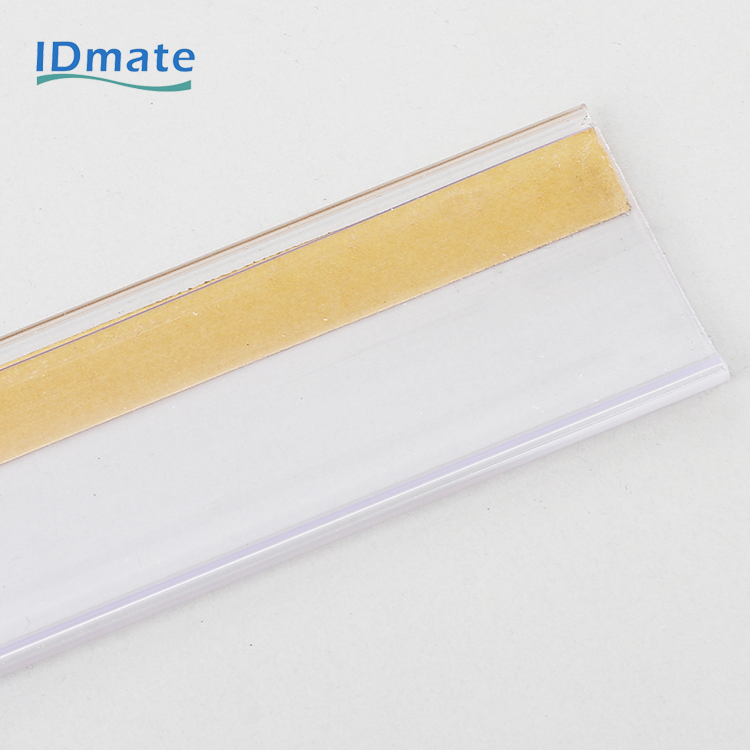
IDmate’s data strips utilize advanced adhesive solutions to help organize and display labels in stores and warehouses.
Key Takeaways
- Understand the four main types of self-adhesive labels. These labels fall into four categories: permanent, removable, repositionable, and special purpose. Each type is best suited for different needs and adhesive surfaces.
- If you need labels for long-term use, choose permanent self-adhesive labels. They are extremely sticky, but removal may damage the surface they adhere to.
- If you only need labels for short-term use, use removable self-adhesive labels. They are easy to remove and leave no sticky residue. Therefore, they are ideal for temporary use.
- Reusable labels can be used multiple times. You can move them around as you like, and they will still adhere firmly. They are ideal for organizing items.
- Special purpose self-adhesive labels are for special situations. You can choose environmentally friendly, rubber, or acrylic self-adhesive labels. These labels are suitable for specific needs and locations.
Main Types of Adhesive Stickers
Permanent Adhesive Stickers
Permanent self-adhesive labels are very common. They use strong label adhesive that adheres firmly to surfaces. People choose permanent self-adhesive labels when long-term use is required. Attempting to peel off permanent self-adhesive stickers may damage the surface and leave sticky residue.
Permanent self-adhesive labels are versatile and can withstand high and low temperatures and water, making them ideal for product identification, inventory management, and asset tracking. Stores use permanent self-adhesive stickers for barcode labels and shelf labels, while offices use them to mark documents and equipment. At home, people also use permanent self-adhesive stickers to stick lockers and containers.
Tip: Permanent adhesive stickers are best for labels that should stay put.
Removable Adhesive Stickers
Removable self-adhesive stickers use a special label adhesive that allows for easy peeling. These stickers have strong adhesion and remove without damaging surfaces or leaving sticky residue, making them ideal for temporary marking.
People use removable self-adhesive stickers for short-term labeling. Shops use them for price tags and promotional information. Offices use them to stick documents and create signage. At home, removable self-adhesive stickers can help organize items without leaving residue.
Removable self-adhesive stickers can protect surfaces such as glass and plastic. They work best in indoor environments that are not too hot or humid. If the environment is too hot or humid, the labels may peel off more quickly.
The main advantages of removable self-adhesive stickers are as follows:
- Leaves no residue after removal
- Suitable for short-term use
- Easy to move when applied
- Protects surfaces
Repositionable Adhesive Stickers
Reusable adhesive stickers use flexible label adhesive. You can stick, remove, and re-stick them multiple times. The adhesive weakens with each application, but the label remains clean. Usually, little sticky residue is left.
Reusable adhesive stickers are very practical when you need to move labels. Stores use them to label shelves and boxes. Offices use them to create planning boards and schedules. At home, these stickers are great for DIY projects and organizing drawers.
Removable adhesive stickers are best suited for indoor use. They are resistant to some chemicals and water. Over time, the labels may become more difficult to remove, but they generally won’t damage the surface.
Note: Repositionable adhesive stickers are good when you need to change labels.
These three main types of self-adhesive labels are widely used in shops, offices, and homes. Understanding the characteristics of these adhesives helps people choose the right labels for different uses.
Specialty Label Adhesive Types
Specialty label adhesives possess specific properties tailored to different locations and applications. These adhesives help labels adhere firmly where ordinary adhesives cannot. Understanding these differences helps in choosing the best label adhesive for each task.
Acrylic-Based Adhesives
Acrylic adhesives perform well in many situations. They have medium to high molecular weights, resulting in strong adhesion. These adhesives are light-resistant, oxidation-resistant, and chemically resistant, while remaining transparent and having low toxicity. Some acrylic adhesives utilize cross-linking technology to extend their lifespan. Acrylic adhesives are ideal for pressure-sensitive labels and also suitable for labels requiring long-term use in harsh environments.
- Very transparent, low toxicity
- Light-resistant, chemically resistant
- Suitable for labels on glass, metal, and plastic surfaces
Note: Acrylic adhesives are ideal for labels that require long-term transparency and strong adhesion.
Rubber-Based Adhesives
Rubber adhesives are flexible and bond quickly. They are best suited for labels that require rapid application and repositioning. Many industries use rubber-based adhesives due to their superior performance. The following table lists their uses:
| Industry | Application Description |
|---|---|
| Automotive | Used as vibration dampeners, seals, or gaskets in car parts. |
| Electronics | Gives cushioning, insulation, or protection for devices. |
| Industrial Machinery | Reduces vibration and noise in machines. Used on equipment and motors. |
| Construction | Used for sealing and stopping vibration in HVAC and building parts. |
| Home Appliances | Cuts noise and stops slipping in appliances like fridges and washers. |
| Furniture Protection | Stops scratching on floors and helps furniture legs grip. |
Rubber-based adhesives help labels stick to surfaces that move or shake.
Water-Soluble Adhesives
Water-based adhesives make labels easy to remove and clean. These adhesives use water as the primary solvent. They are safer for the environment and have a mild odor. The table below compares water-based adhesives and solvent-based adhesives:
| Feature | Water-Based Adhesive Coatings | Solvent-Based Adhesive Coatings |
|---|---|---|
| Drying Time | Takes longer to dry | Dries fast |
| Adhesion Strength | Not as strong | Very strong |
| Environmental Impact | Less VOCs | More VOCs |
| Ease of Cleanup | Easy with water | Needs solvents |
| Odor | Not strong | Strong |
| Performance in Harsh Conditions | May not work as well | Works very well |
| Regulatory Compliance | Easier | Harder |
Water-soluble adhesives are good for labels that need to come off easily or are used for a short time.
Heat-Activated Adhesives
Hot melt adhesives require heat to bond labels to surfaces. These adhesives are widely used in electronics, automobiles, aircraft, and medical devices. They help labels adhere firmly to surfaces requiring strong adhesion or high temperatures.
- For automotive interior bonding
- Aids in assembling flexible circuits in electronic products
- For bonding aircraft materials
- For sensor mounting in medical devices
Thermal adhesives are best suited for labels that need to maintain adhesion at high temperatures.
Cold Temperature Adhesives
Low-temperature adhesives ensure labels adhere firmly in freezing environments. Toughened epoxy resins use rubber components to maintain flexibility and prevent breakage. Silicone also maintains flexibility but is better suited for sealing rather than strong adhesion. These adhesives help labels stay firmly attached in cold rooms, outdoors, or in refrigerators.
Low-temperature adhesives ensure labels do not detach in extremely cold environments.
Adhesive Stickers in Retail: IDmate Data Strips Example
How Data Strips Use Adhesive Solutions
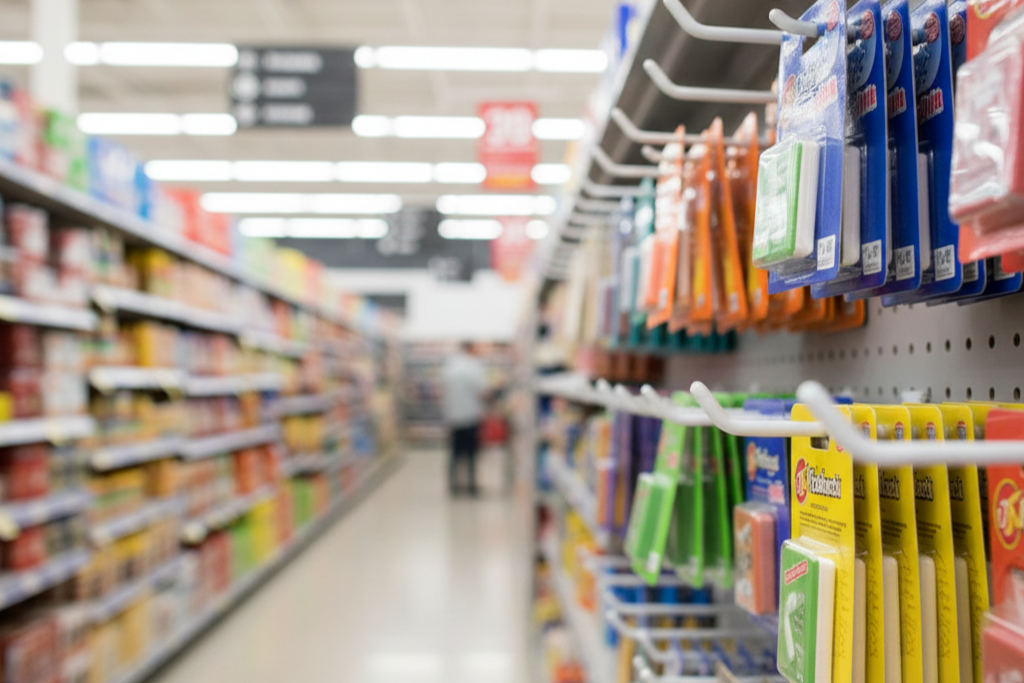
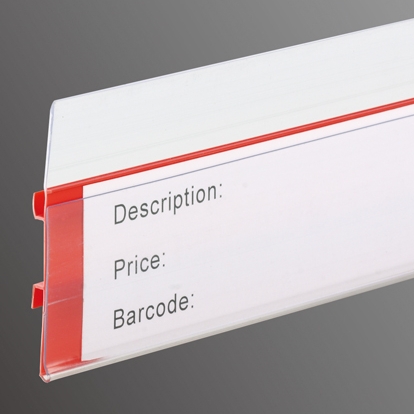
IDmate data strips help store managers with merchandise display. Employees use various adhesives to attach the data strips to the edges of shelves. Some data strips are self-adhesive, while others use clips or magnets. These methods ensure labels are secure and easy to see. Employees can slide price tags, barcodes, or brand stickers into the data strips to avoid clutter.
Note: Data Strips stop labels from sticking right on products. This keeps shelves neat and stops damage.
Benefits for Retail and Warehouse Organization
Adhesive stickers and label adhesives help manage inventory in stores and warehouses. Data strips make finding merchandise easy and convenient. Employees can find items faster and reduce counting errors. The system saves time and reduces errors. Managers use the tags to track assets and make informed decisions. Real-time information helps everyone understand the dynamics of the supply chain. Report generation is easier, and auditing and tax records are simpler.
Stores also gain clear product details. Customers can quickly view prices and information, which helps them choose the merchandise they need and boosts sales. Data strips can also be used to attach brand stickers for discounted items. Merchants can match them according to shelf size and color. The robust design ensures labels remain neat and clear even in busy environments.
Tip: Using Data Strips with good label adhesive keeps shelves clean and helps stores work better.
Choosing the Right Adhesive Sticker
Quick Comparison of Types and Uses
Choosing the right label sticker depends on how long you need it to be on, the placement, and the material of the adhesive surface. The table below lists the working principles and durability of different adhesives:
| Adhesive Type | Performance Characteristics | Longevity Characteristics | Typical Uses |
|---|---|---|---|
| Permanent Adhesive | Strong bond, hard to take off | Good for labels that last a long time | Product labels, asset tracking |
| Removable Adhesive | Comes off clean, easy to move | Works well for short-term jobs | Promotions, price tags |
| Repositionable Adhesive | Can be moved many times, stays sticky | Keeps working for a long time | Planning boards, crafts |
| Acrylic Adhesive | Handles sunlight and heat, looks clear | Lasts over ten years outside | Outdoor signs, glass labels |
| Outdoor Adhesive | Fights water and temperature changes | Stays strong in tough places | Equipment, outdoor packaging |
| Indoor Adhesive | Comes off clean, looks nice | Does not last as long as outdoor types | Office, home organization |
Tip: Try adhesive stickers on your surface before buying a lot. This helps you see how they work.
Tips for Selecting Based on Application
To choose the best label stickers, you need to consider the following factors. Here are some simple tips:
- Check the surface material. Smooth surfaces require one type of adhesive, while rough surfaces require another.
- Consider environmental factors. Water, heat, cold, and sunlight all affect the adhesiveness of the stickers.
- Choose the right adhesive for your intended use. Permanent adhesives are suitable for labels that must be worn for a long time. Removable adhesives are better suited for labels that only need to be used for a short period.
- For special environments, modified silane polymers and cyanoacrylate adhesives work well. They can withstand humid or extremely hot and cold conditions.
- If you want to do your part to protect the planet, use environmentally friendly materials. These stickers are suitable for environmentally conscious individuals.
- Compare costs and performance. If you need a large quantity of stickers, a strong adhesive may be more economical. Special applications require special adhesives.
- Always comply with relevant regulations, especially regarding food and drug labeling.
- Avoid mistakes. Insufficiently cleaned surfaces or choosing the wrong adhesive can waste stickers and time.
Note: Test label adhesives in real conditions. This stops problems like weak sticking or damaged products.
Self-adhesive stickers come in various types, such as permanent, removable, repositionable, and special label adhesives. Each type of sticker is best suited for a specific location or situation. Special adhesives facilitate the application of new technologies and are more environmentally friendly. To choose the right label, one should consider the label surface, the location of use, and the required lifespan. IDmate data strips are a good example, demonstrating how suitable labels can help keep stores and warehouses tidy and streamline workflows.
FAQ
What’s the difference between permanent and removable stickers?
Permanent stickers can stay on various surfaces for a long time. Attempting to remove them may damage the surface. Removable stickers are easy to peel off and leave no sticky residue.
Are stickers suitable for all surfaces?
No, stickers are not suitable for all surfaces. Some stickers work best on smooth surfaces such as glass or metal. Others are better suited for rough or uneven surfaces.
Are there eco-friendly stickers?
Yes, some stickers are made with environmentally friendly materials. These stickers decompose more easily in the natural environment and use fewer harmful chemicals. Eco-friendly stickers help protect the environment.
How do I remove sticker residue from a surface?
You can use alcohol or warm soapy water to clean any remaining sticky residue. It’s recommended to test on a small, inconspicuous area first to ensure it doesn’t damage the surface.
Why do retail stores use data strips for labeling?
Retail stores use data strips to keep shelves tidy. Employees can quickly and easily change labels without getting their hands dirty. The system saves time and ensures product information is clearly visible.