The four main types of product labelling are brand labels, informative labels, descriptive labels, and grade labels. Each type helps consumers identify products, understand important information, and evaluate product quality before making a purchase. Each type serves a different purpose in helping consumers identify products, understand product information, and evaluate quality. Businesses and shoppers know that labelling is important. Labels help people decide what to buy and help them trust products. Labels give facts about products, like the brand name, details, and quality. According to McKinsey (2023), 60% of shoppers switch brands when label information is misleading, while a 2024 NielsenIQ study found that 73% of consumers trust brands more when product information is clear.
Key Takeaways
- Labelling is very important for businesses and shoppers. It helps people make smart choices and trust products.
- Brand labels show what the product is. They help people remember brands. They also help shoppers tell products apart in stores.
- Informative labels give important facts like ingredients and when the product expires. They make sure products are safe and follow rules.
- Descriptive labels show what the product can do and why it is good. They help shoppers know how to use and keep products the right way.
- Grade labels indicate product quality through letters, numbers, or symbols, providing consumers with clear information about standards and safety. They help people pick the best products. They also make people trust what they buy.
Types of Labelling Explained
What Are Brand Labels?
Brand labels play a crucial role in product recognition. They display the brand name, logo, and unique selling points that differentiate the product from competitors. Clear brand labels make it easier for shoppers to locate familiar products and differentiate them from competitors on crowded shelves. They help shoppers remember the brand. Businesses use brand labels to build trust. They want customers to come back and buy again.
Brand labels show what the brand stands for. They help people feel good about their choices. Consumers gain confidence in their purchase decisions when these labels are clearly displayed.
Brand Label Key Features
Brand labels have some main features:
- They show the brand name and logo.
- They tell what is special about the product.
- They use colors and designs that fit the brand.
- They are easy for people to notice.
- They help people know what the product is.
Businesses can change labels fast for new sales or new looks.
Brand Label Examples
Many brands use labels to show who they are:
- Coca-Cola uses red and white to make people feel happy.
- Lego uses bright colors to show fun and creativity.
- Starbucks uses green to make people feel welcome.
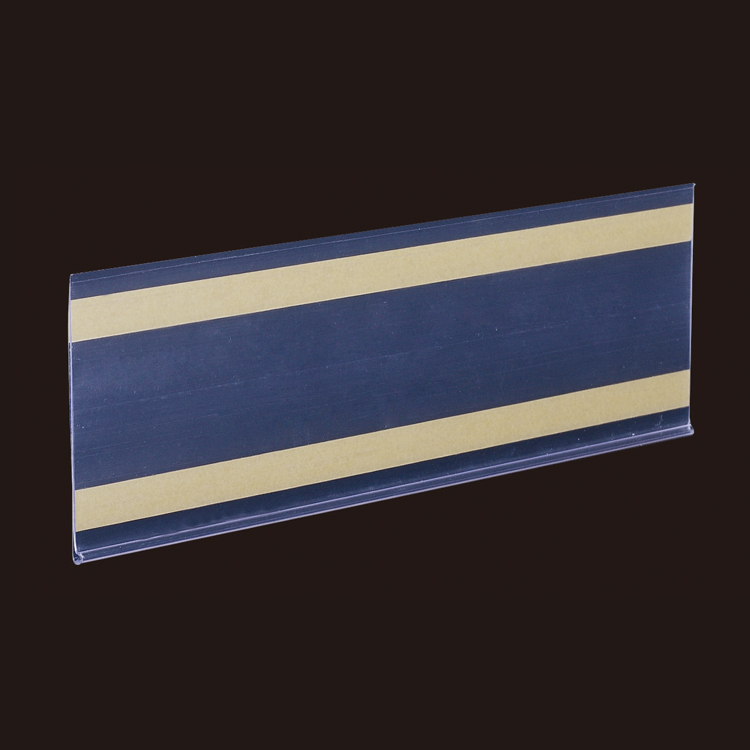
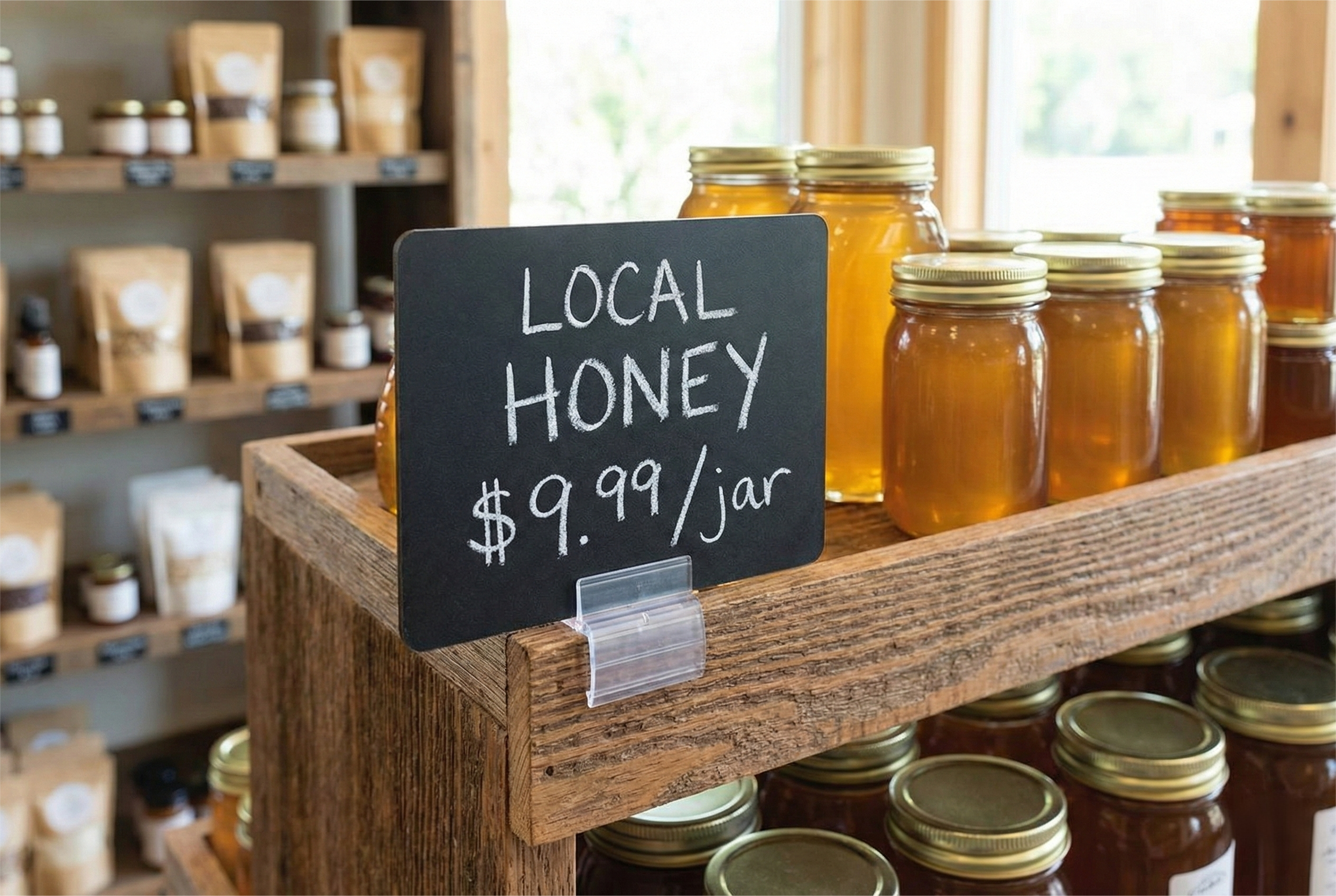
Acrylic signs from IDmate keep labels looking nice and new. The material does not turn yellow, so labels stay bright. The grip inside holds labels tight so they do not fall. Businesses can use many kinds of labels in the sign holder.
Brand labels are a big part of product labelling. They help people know and pick products. They help shoppers compare and choose. Businesses use brand labels to build trust every day.
Informative Labels in Product Labelling
Informative Label Definition
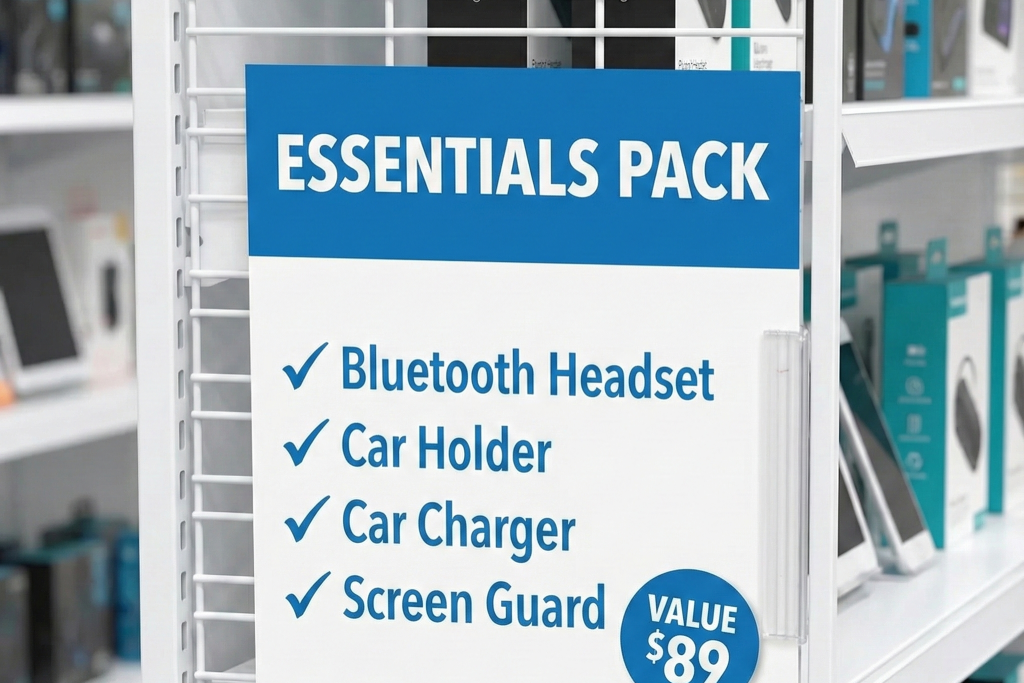
Informative labels provide essential regulatory and safety information about a product. They show when a product was made and when it expires. These labels also have barcodes and batch numbers. They tell how long a product can last. Informative labels help keep track of products. They make sure products are safe to use. Many businesses use these labels to follow rules. The food industry uses food label and nutritional labels to list ingredients and calories. These labels also show the nutritional value. The cosmetic industry lists ingredients to keep people safe. Rules for labelling are different in each place and for each product. Companies must follow these rules to avoid getting fined and to keep people safe.
| Definition of Informative Labels | Purpose of Informative Labels |
|---|---|
| Information labels contain dates for manufacture, date of expiration, barcodes, and batch numbers. | Ensures the tracing of stock levels, product safety, and conformity with the relevant regulations. |
Rules for labelling are getting stricter everywhere. Each place has its own rules for food label and nutritional labels.
Key Features of Informative Labels
Informative labels help people know what is in a product. They show how to use products safely. These labels list ingredients and calories. They also show shelf life and additives. Informative labels warn about allergens. They give safety instructions too. Food and nutritional labels in the United States must follow regulations from the U.S. Food and Drug Administration (FDA), which require clear ingredient lists, allergen warnings, and nutrition facts panels. Toy labels must comply with safety warnings issued by the Consumer Product Safety Commission (CPSC). Informative labels keep people safe. They help people make smart choices.
- Informative labels list ingredients and calories.
- They show shelf life and nutritional value.
- Labels warn about allergens and additives.
- They give usage instructions for consumer safety.
- Informative labels follow geographical rules for labelling.
| Consequence | Description |
|---|---|
| Workplace Injuries | Incorrect labeling can lead to accidents and injuries in the workplace. |
| Illnesses | Missing or inaccurate information can result in health issues for employees. |
| Regulatory Fines | Non-compliance with labeling regulations can result in significant financial penalties. |
| Ineffective Emergency Responses | Incomplete information can hinder proper responses during emergencies, increasing risk. |
Food Label and Nutritional Labels
Food labels and nutritional labels provide key information such as ingredients, calorie content, shelf life, and nutritional value. This information helps consumers make healthier and more informed food choices. Food label and nutritional labels help people pick healthy food. Labels show if food is organic or natural. They also show if food has additives. People trust food label and nutritional labels when they are clear and honest. Food label and nutritional labels help people decide what to buy. Labels help people stay away from food they do not want. Food label and nutritional labels build trust and keep people safe.
Workers can change food label and nutritional labels fast. The holder keeps food label and nutritional labels clean and easy to read. The grip inside holds food label and nutritional labels tight. Food label and nutritional labels stay easy to see for shoppers. The holder works in many places and with many types of food label and nutritional labels.
| Finding | Description |
|---|---|
| Positive Effects of Warning Labels | Labels can increase the consumption of healthy foods by enhancing trust and reducing advertising avoidance. |
| Consumer Demand for Clear Information | Consumers are increasingly seeking clear and reliable product information due to mislabeling issues. |
| Trust through Transparency | Transparent labeling builds consumer trust by providing essential product details. |
Tip: Food label and nutritional labels help people compare food. They help people make smart choices for life.
Descriptive Types of Labels
Descriptive Label Meaning
Descriptive labels highlight product features, performance benefits, and usage guidance. They explain how the product works, what benefits it offers, and how it should be used or stored. They help a product stand out from others. Informative labels focus on safety and rules. Descriptive labels tell what makes a product special. Brand labels help people know the brand. Descriptive labels explain how a product works or why it helps. These labels often have instructions for use, handling, and storage. They also give tips for keeping products safe. These labels help consumers quickly understand whether a product fits their needs. They help people learn about different labels and make smart choices.
- Descriptive labels show product features and benefits.
- They tell how to use, handle, and store products.
- These labels help shoppers compare products fast.
Features of Descriptive Labels
Descriptive labels have details that help people pick what to buy. They list important facts, nutrition, ingredients, and allergen warnings. Some labels give recipes or ways to use the product. These things make information easy to understand. Shoppers feel sure about their choices.
| Feature Type | Description |
|---|---|
| Key Attributes | Shows features, details, and good things about the product. |
| Nutritional Facts | Gives facts about calories, vitamins, and minerals in food. |
| Ingredient Lists | Lists all ingredients in the product for people with diets. |
| Allergen Warnings | Warns people about allergens in the product. |
| Recipe Suggestions | Gives ideas for using the product in new ways. |
Descriptive labels also tell how to use, throw away, or recycle products. This is important for things like cleaning supplies and medicine. Clear labels help shoppers stay safe. They help people make good choices.
Descriptive Label Examples
Many businesses use descriptive labels on signs. A label might show a new formula or say a drink gives energy. Labels can list good things like “extra soft,” “long-lasting,” or “easy to clean.” These labels help shoppers compare and pick what they need.
IDmate’s Acrylic Sign Holder shows descriptive labels in stores, offices, and restaurants. The holder keeps labels neat and easy to see. Workers can change product facts fast for new sales. The clear acrylic lets shoppers see labels from far away. This makes labelling work better.
Tip: Descriptive labels help shoppers learn about products and choose with confidence. Businesses use these labels to show what makes their products special.
Grade Labels and Product Quality
What Are Grade Labels?
Grade labels indicate the quality level of a product according to defined industry standards. These labels use letters, numbers, or symbols. They tell buyers about the product’s quality. Grade labels help people know if a product follows rules. Many businesses use grade labels to make things fair. For example, agricultural products such as fruits, vegetables, and eggs are often graded AA, A, or B based on appearance, size, and overall quality. These grades depend on size, color, and if there are any problems. You can also find grade labels on food, store items, and office supplies. They help shoppers compare things and pick the best one. Grade labels often go with sell-by, best-by, and use-by dates. This gives more facts about freshness and safety.
| Grade Labels | Industry | Significance |
|---|---|---|
| A, B, C | Agriculture | Show quality of fruits and vegetables by size and color. |
Grade Label Features
Grade labels are easy to spot because they use clear marks. These marks can be letters, numbers, tags, or pictures. They make it simple to see how good something is. Grade labels often use words like Good, Better, or Best. They help people find the best products fast. Grade labels also show if a product is safe and healthy. Many grade labels work with sell-by, best-by, and use-by dates. This helps people know when to use a product. Some grade labels, like quality labels or geographical indication labels, show special standards or where something comes from.
- Grade labels are simple to see and read.
- They use letters, numbers, or symbols for quality.
- Grade labels help with health and safety.
- They work with sell-by, best-by, and use-by dates.
- Certain grade labels, such as geographical indication labels, indicate origin or compliance with specific quality standards.
Grade labels help consumers quickly evaluate product quality. Clear grading systems also increase transparency and make it easier for shoppers to compare products.
Grade Label Examples
Lots of products use grade labels to show quality. Food like eggs use grades such as Grade AA, Grade A, or Grade B. Coffee beans are also graded based on bean size, defect rate, and flavor quality, which helps buyers evaluate premium and standard products. Clothes use grade labels to show fabric quality. In food and drinks, labels like Prime, Choice, and Select help people pick meat. Canned beans may have grades A, B, C, or D. These labels often go with sell-by, best-by, and use-by dates. This helps buyers know when to use the product. Geographical indication labels show where something is made, like cheese from a special place.
| Grade Label Type | Description |
|---|---|
| Coffee Beans | Graded by size, texture, and taste. |
| Agriculture | Sorts products by quality standards. |
| Textiles | Shows how good the fabric is. |
Grade labels and geographical indication labels help people choose well. They build trust and make labels clear. This helps shoppers see facts about sell-by, best-by, and use-by dates, and product quality.
Tip: Grade labels and clear labels help shoppers find the best products and trust what they buy.
Product labelling plays an essential role in product communication, regulatory compliance, and consumer decision-making. Each label type has its own job in product communication:
| Type of Label | Role in Product Communication |
|---|---|
| Brand Labels | Help people know the brand and make products different. |
| Informative Labels | Give facts so people can choose safely and wisely. |
| Descriptive Labels | Show what is good about a product to help buyers. |
| Grade Labels | Tell how good a product is and help people trust it. |
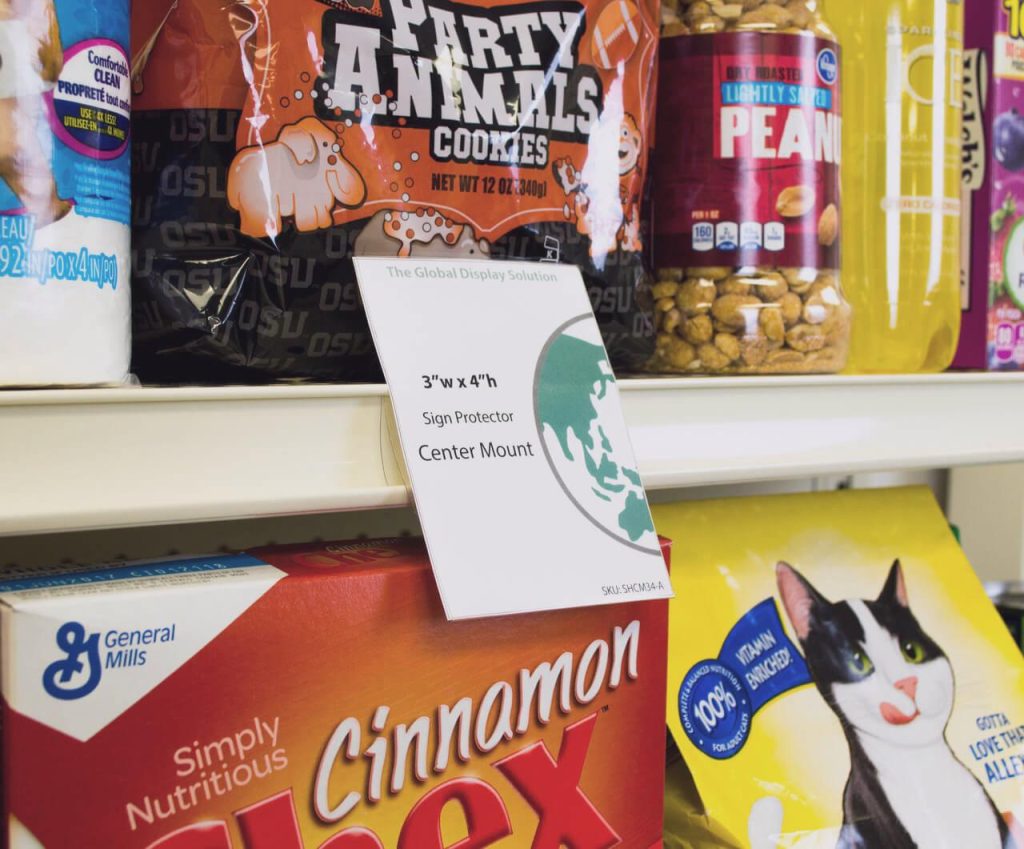
Effective labelling improves product visibility, brand recognition, and consumer trust. It also changes how shoppers think about products. Research shows that labels with bright colors and smart designs can make people think products are healthier. These labels also help sell more products. Signs on shelves, especially at eye level, help products sell faster. IDmate’s Acrylic Sign Holder ensures labels remain visible, organized, and protected from dust or spills, supporting effective in-store communication. It helps shoppers decide quickly. Businesses use labelling to share facts, show off products, and build trust every day.
- Bright colors and easy-to-read words on labels get attention.
- Labels help people buy fast and learn about new products.
Labelling helps shoppers feel sure and helps businesses do well.
FAQ
What is the main purpose of labelling?
Labelling provides essential information about a product, including its brand identity, ingredients, usage instructions, and quality level. Labels give facts like the brand and how to use it. They also show if the product is good quality. Good labelling makes shopping simple and safe.
How do labels help shoppers make choices?
Labels show things like ingredients, grade, and brand. Shoppers use these facts to compare products. Clear labelling helps people pick what they need.
Why do businesses use different types of labels?
Businesses use labels to share many kinds of facts. Some labels show the brand name. Others give details or describe what the product does. Grade labels tell if a product is good quality. Labelling helps people trust the business.
Can labelling improve product safety?
Yes, labelling can help keep people safe. Labels warn about things like allergens. They show how to use products and list important dates. Good labelling helps people avoid mistakes.