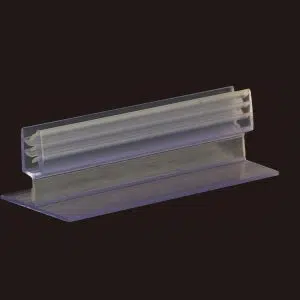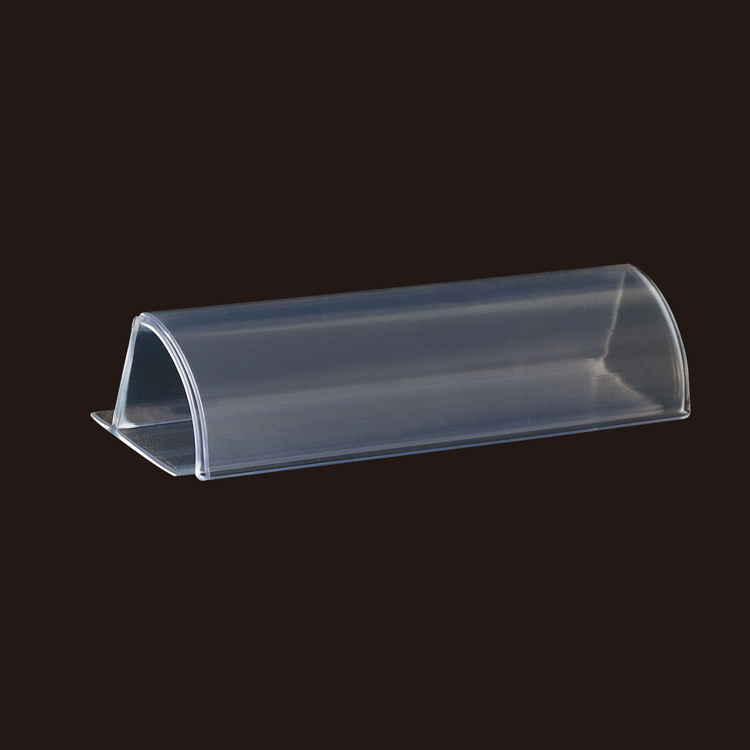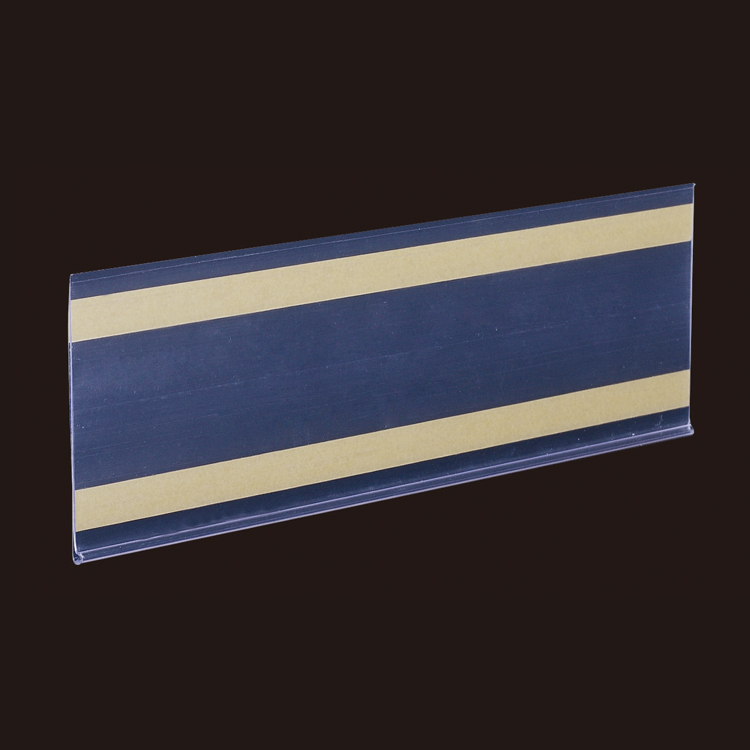
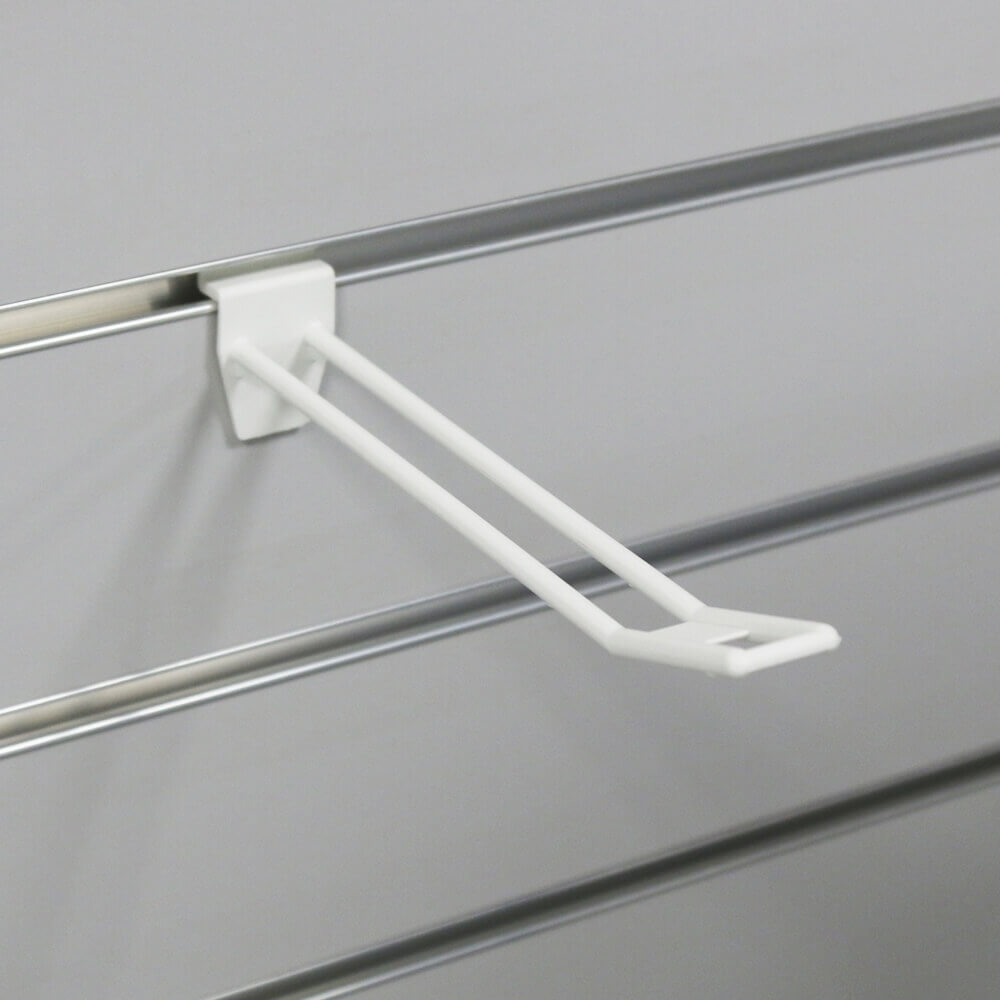
Slatwall hooks are essential tools for displaying and organizing merchandise in stores. Store owners use them to create attractive and easily replaceable displays. These displays help to make efficient use of space and attract customers to browse merchandise. The table below shows how pegboard hooks help customers better view merchandise and boost sales:
| Factor | Description |
|---|---|
| Flexible Merchandising Options | Change displays for different items |
| Maximizes Display Space | Use store space in a smart way |
| Attracts Customer Attention | Make displays that catch shoppers’ eyes |
| Facilitates Product Rotation | Let workers switch items to boost quick sales |
| Supports Experiential Retailing | Make shopping more fun and interesting |
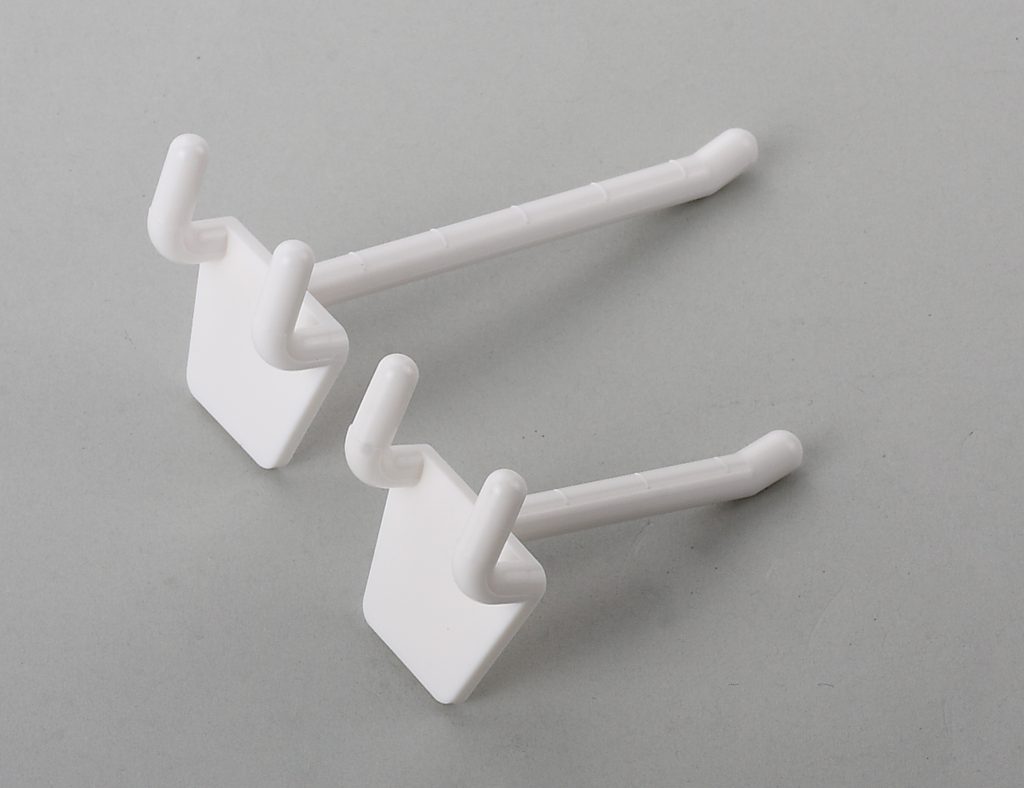
Slatwall hooks are made from different materials. Some are strong plastic hooks from brands like IDMATE.
Key Takeaways
- Pegboard hooks help keep merchandise neat and organized for easy viewing. They make stores look more attractive and make efficient use of space. They also help attract customer attention.
- Choose the right hook material. Metal is sturdy and durable, suitable for hanging heavy items. Plastic is lightweight and rust-resistant. Plastic hooks are recommended for areas with low foot traffic.
- There are many types of hooks, including straight hooks, curved hooks, and special-purpose hooks, each with its own purpose. They help customers better view merchandise.
- Installing hooks is very simple. Most hooks slide easily into the grooves of the display tray without any tools. You can quickly change displays.
- Always check the weight-bearing capacity of the hooks and ensure that the hooks match the dimensions of the display tray. This ensures the stability and safety of the display.
Slatwall Hooks Overview
Design and Function
Display tray hooks help stores display merchandise neatly and orderly. They are available in a variety of shapes and sizes and can be used to hang items such as tools, clothing, or toys. Staff can easily move the hooks without any tools. Changing displays to show new or promotional items is also very convenient. Some hooks are sturdy enough to hang heavy objects, while others are better suited for hanging lighter items.
The following table lists the main design features of display tray hooks:
| Feature | Description |
|---|---|
| Multiple Sizes and Configurations | Hooks have different lengths, depths, and shapes. They fit many kinds of products. |
| Durable Material Construction | Many hooks use tough steel or stainless steel. This makes them last longer. |
| Tool-Free Installation and Adjustability | People can move hooks without tools. Changing displays is easy. |
| High Weight Capacity | Some hooks can hold heavy things, even up to 100 pounds. If they are made for that job. |
Slatwall hooks work with many display systems. They fit best on slatwall panels. These panels have grooves that keep hooks in place. Some hooks also fit pegboards, gridwalls, or corrugated displays. IDMATE’s Plastic Display Hooks show new designs are strong, safe, and easy to use. Their smooth edges help protect people and products.
“Over 60% of slotted panel hook failures are due to mismatched groove shapes, not a problem with the material itself. If your hooks wobble or slip under light load, the problem is almost always with the dimensions.” —Derek Lin, Industrial Equipment Engineer, MetroWall Systems
Store owners should check the groove dimensions before selecting hooks. Slotted panels have varying groove shapes. Some are standard 3/8 inch, some are European standard 10 mm, and some are heavy-duty 1/2 inch. Using the right hooks can ensure the safety and stability of the display items.
Common Materials
Manufacturers use different materials to make slotted board hooks. The two most common materials are metal and plastic. Each material has its own advantages.
| Material | Advantages | Disadvantages |
|---|---|---|
| Metal | Very strong, lasts long, resists rust, holds heavy things | Costs more than plastic |
| Plastic | Costs less, light to carry and install | Not as strong as metal, can bend or break with heavy loads |
Metal hooks are suitable for hanging heavy items and in busy stores. They are durable and require almost no maintenance. Plastic hooks, such as IDMATE’s plastic display hooks, are suitable for hanging lighter items. They are ideal for locations prone to rust, such as damp or outdoor environments. These hooks are safer because their smooth edges won’t scratch merchandise.
Both types of slotted board hooks are suitable for a variety of display systems. Store owners can choose the most suitable type based on their needs. They may prioritize strength, safety, or appearance.
- Slotted board hooks are best suited for installation on slotted board walls.
- Some hooks are also suitable for pegboards, grid walls, and corrugated cardboard display racks.
- Choosing the right material and size helps stores maintain the security and aesthetics of their displays.
Types of Slatwall Hooks
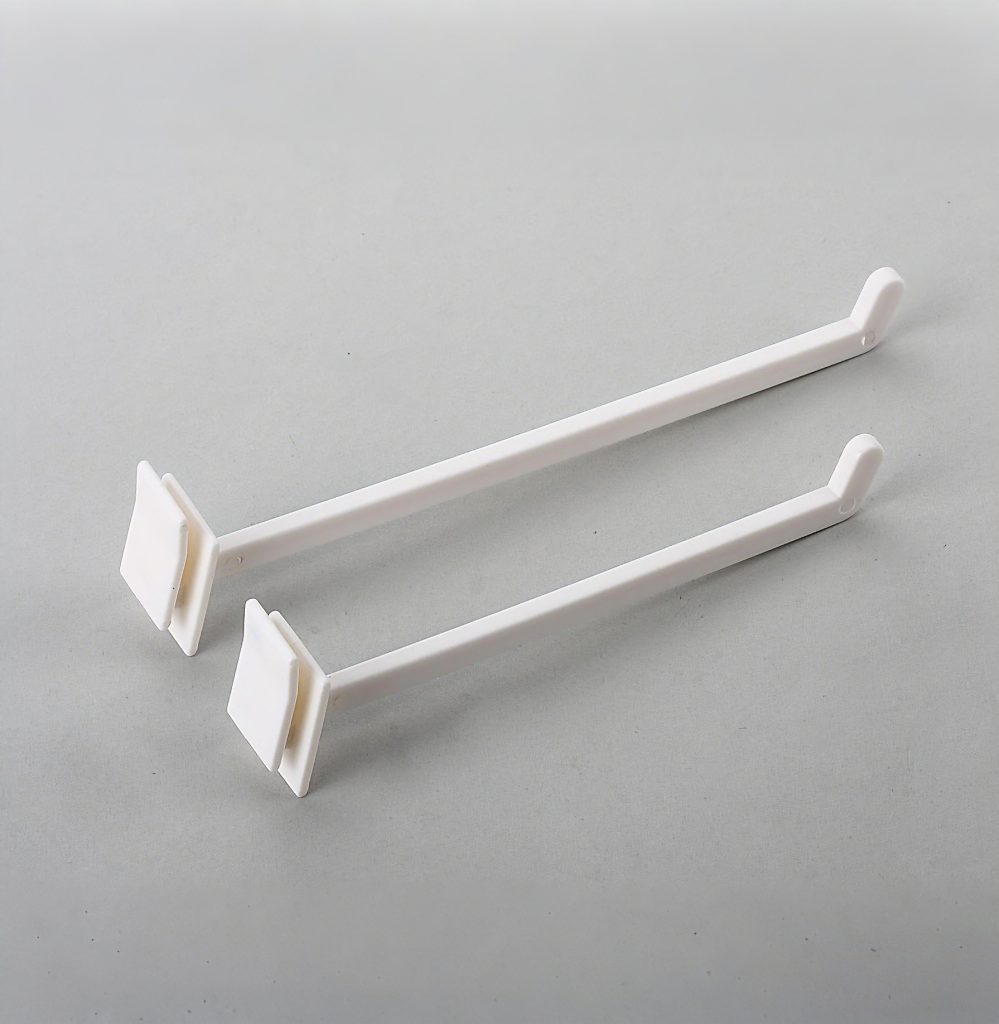
Retailers and warehouse managers use different types of slotted hooks to organize and display merchandise. Each hook has its specific purpose and is best suited for hanging certain items. The main categories include straight hooks, curved hooks, and special-purpose hooks.
Straight Hooks
Straight hooks are the most common type. They have a simple design, smooth lines, and are easy to use. People often choose straight hooks to hang hats, bags, tools, or packaged goods. These hooks come in different lengths to hang items of various sizes. Short hooks are suitable for hanging keys or small tools. Longer hooks can be used to hang heavier items, such as coats or ladders. Straight hooks are easy to access quickly, making them especially suitable for busy stores or workshops.
Tip: Staff can quickly move straight hooks to change displays of new or promotional items.
IDMATE offers a variety of sizes of straight plastic display hooks. These hooks are lightweight, durable, and rust-resistant, making them ideal for everyday use.
Curved Hooks
Curved hooks are curved or angled in shape. This design helps prevent items from slipping. Curved hooks are ideal for items with handles or holes, such as mugs, belts, or accessories. The curved shape increases stability and prevents merchandise from falling even if a customer accidentally bumps into the display shelf.
The table below compares curved and straight hooks:
| Hook Type | Best For | Key Benefit |
|---|---|---|
| Straight Hook | Quick access items | Easy to grab and restock |
| Curved Hook | Items that may slip | Extra security and balance |
IDMATE’s range includes curved hooks made from durable plastic. These hooks protect both products and customers with smooth edges.
Specialty Hooks
Special purpose hooks meet a variety of unique needs. Some hooks feature a double-forked design for added stability. Others, such as scan hooks, can hold price tags for easy viewing. Security hooks help prevent theft in busy stores. Basket hooks combine hanging and placement functions, making it easy to display paired items. Rotary hooks can be rotated for easy access to items from different angles.
IDMATE offers a variety of special-purpose hooks, such as double-forked European hooks, scanning hooks with label holders, and secure display hooks. These options help stores showcase a wide range of products, from small accessories to large items.
Retailers can select the right slotted hooks for their merchandise based on shape, size, and specific functions.
How Slatwall Hooks Work
Installation Steps
The first step in installing slotted panel hooks is installing the slotted panels themselves. To ensure a safe and secure display, staff should follow these steps:
- Measure and plan the installation location for the slotted panels. This helps avoid errors and material waste.
- Prepare the wall surface. Ensure the wall surface is clean and flat.
- Trim and cut the slotted panels if necessary. A circular saw or jigsaw works best.
- Hang the slotted panels. Use wood screws for wooden walls, masonry screws and expansion bolts for concrete walls, and expansion bolts for drywall walls.
- Add accessories and decorations. Once the slotted panels are in place, staff can install hooks and other display fixtures.
Most slotted panel hooks can be installed without additional tools. Staff simply slide the hook into the groove and press down until it locks in place. This makes it easy to change displays or move hooks as needed.
Tip: Always check the weight limit for each hook before hanging heavy items. Regular inspections help keep displays safe.
Panel Compatibility
Not all slotted panel hooks are compatible with all panels. The slot spacing, depth, and shape may vary between different brands and systems. Staff should measure the width and spacing of the slots before purchasing hooks. Most panels use standard 3-inch or 4-inch spacing, but some panels use metric dimensions or have unique designs.
The table below shows the hook types and load-bearing capacities for different products:
| Hook Type | Load Capacity | Best For |
|---|---|---|
| Light-duty hooks | 5–10 lbs | Jewelry, small electronics |
| Medium-duty hooks | 10–25 lbs | Apparel, bags, kitchenware |
| Heavy-duty hooks | 25+ lbs | Tools, appliances, bulky retail items |
Proper compatibility ensures the stability and safety of displays. Staff should check the handle design of each hook and ensure it matches the slots on the panel. Many brands offer universal or adjustable hooks for greater flexibility.
Choosing the right slotted panel hooks can protect merchandise and help keep the store neat and organized.
Benefits of Slatwall Hooks
Organization and Flexibility
Retailers use slotted panel hooks to keep merchandise neat and organized. These hooks help save floor space. Because merchandise is hung high, it is easily accessible. Employees can quickly move the hooks. Merchandise displays can be quickly changed to showcase new products. This is ideal for stores, workshops, and events.
| Feature | Explanation |
|---|---|
| Modular Design | Lets people change displays easily for different places. |
| Versatility | Useful in stores, workshops, and storage rooms. |
| Maximizes Vertical Space | Clears floor space and makes items easier to reach. |
| Improves Accessibility | Helps shoppers see and grab products fast. |
Slatwall hooks help stores show new items. Staff can move hooks or add signs to highlight sales. This keeps displays interesting and gets customers to look.
Durability and Safety
Metal and plastic hooks last a long time. Metal hooks can last up to 30 years in busy stores. Plastic hooks, like IDMATE’s, last about 20 years in less busy places. Plastic hooks do not rust and work well outside or in damp rooms.
Safety is important in every store. Slatwall hooks keep displays neat and stop accidents. Their shape spreads weight so items do not fall. Security hooks help stop theft. Staff should use the right hook for each item’s weight to keep everyone safe.
Customization Options
Stores can choose hooks that match their own brand. They can choose colors, lengths, or add logos. This helps stores create eye-catching displays.
| Customization Aspect | Details |
|---|---|
| Color Options | Chrome, black, painted, or powder finishes for branding. |
| Length Variability | Short, medium, or long hooks for different items. |
| Branding | Custom logos or labels for signs and displays. |
- Slatted wall hooks can be equipped with signage strips or brackets.
- Stores frequently change their displays based on promotions or seasonal changes.
- Custom hooks help enhance product visibility and showcase the store’s style.
Choosing Slatwall Hooks
Assessing Your Needs
Choosing the right hooks starts with understanding your store’s needs. The store manager should consider which products they want to display. Clothing is best hung on hooks that face out at eye level. Heavier items like tools require double-pronged hooks for better support. Small tools and accessories are suitable for angled hooks. Lightweight items can be hung on straight hooks at any height.
Tip: Plan your display carefully, make full use of space, and ensure unobstructed aisles for easy customer movement.
When choosing slatted wall hooks, use the following checklist:
- List the main products you want to display.
- Measure the display area and consider customer walkways.
- Determine if you need to frequently change the display.
- Choose hook styles and colors that match the overall style of your store.
- Choose durable materials that can withstand the test of the store environment.
Adjustable hook systems allow staff to move hooks as products change. This not only keeps the display looking fresh but also helps the store stay up-to-date with trends.
Weight and Material Considerations
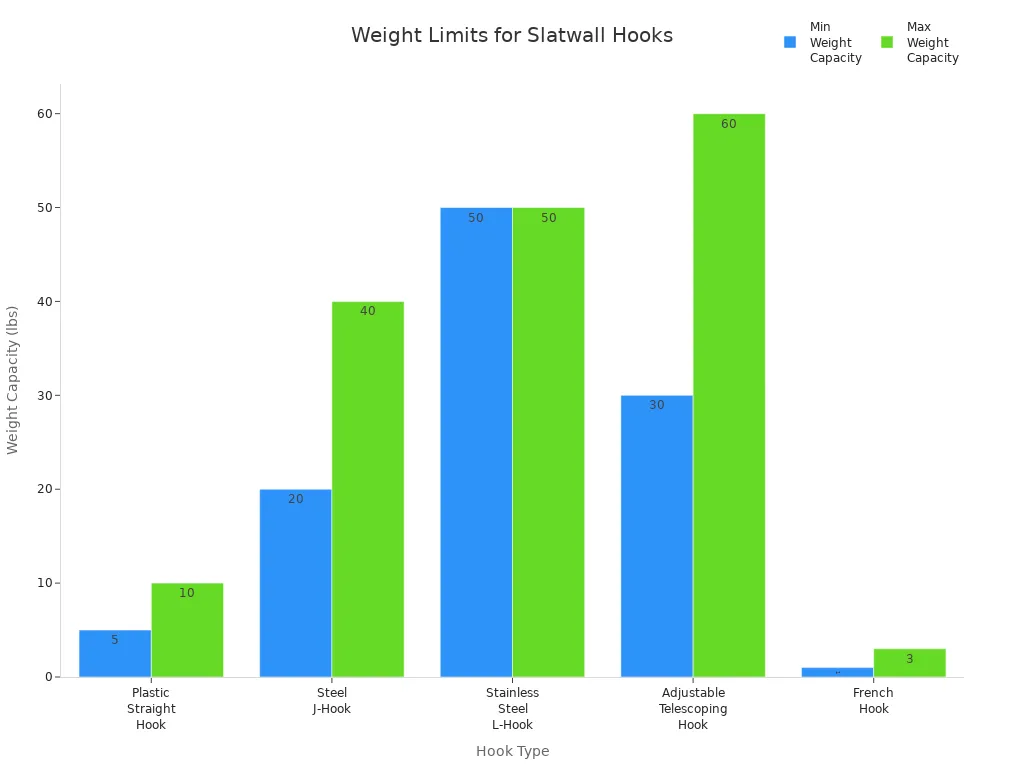
When choosing hooks, the weight of each item is important. Heavier items require sturdy hooks. Lighter items can use plastic hooks. The table below lists hook types, materials, and their load-bearing capacities:
| Hook Type | Material Options | Weight Capacity | Best Use Case |
|---|---|---|---|
| Plastic Straight Hook | ABS/Nylon | 5–10 lbs | Light clothing, accessories |
| Steel J-Hook | Chrome-plated steel | 20–40 lbs | Hand tools, buckets, hoses |
| Stainless Steel L-Hook | Stainless steel | 50+ lbs | Heavy tools, outdoor gear |
| Adjustable Telescoping Hook | Reinforced steel | 30–60 lbs | Bulky or odd-shaped items |
| French Hook | Brass/coated steel | 1–3 lbs | Jewelry, delicate items |
Plastic hooks, like IDMATE’s Plastic Display Hooks, are good for wet or outdoor places. These hooks do not rust or corrode. Nylon hooks can soak up water, so UV-resistant or weather-resistant ones last longer outside. Marine-grade hooks work better in sun and wet places than regular nylon.
Note: Always check the hook’s weight limit before hanging things. This keeps displays safe and stops accidents.
Picking the right slatwall hooks helps stores make displays that are safe, easy to change, and look good.
Retailers use slatwall hooks to keep products neat and easy to see. These hooks come in different shapes and materials. This gives stores more choices and keeps things safe. Picking the right hook depends on how heavy the product is. It also depends on the type of panel and what the store needs. IDMATE’s Plastic Display Hooks are strong and can be made to fit a store’s style.
| Benefit | Description |
|---|---|
| Space Optimization | Lets stores use wall space for more products |
| Professional Appearance | Makes displays look tidy and nice |
| Enhanced Experience | Helps shoppers find things and enjoy shopping |
Store owners should think about what they want their displays to do. They need to pick hooks that fit their products. Trying new hooks like IDMATE’s Plastic Display Hooks can help stores show more items and make customers happier.
FAQ
What are the uses of slotted panel hooks?
Slotted panel hooks are used to hang and display merchandise on slotted panel panels. They help stores organize merchandise, save space, and make merchandise easily visible. Staff can quickly move the hooks to change displays.
How to install slotted panel hooks?
Simply slide the hook into the groove on the slotted panel. The hook locks in place without tools. This makes installation and replacement quick and easy.
Are plastic slotted panel hooks strong enough to support heavy loads?
Plastic hooks like those from IDMATE are best suited for light to medium-sized items. For heavy tools or equipment, metal hooks offer greater support. Always check the load-bearing limits before use.
Are slotted panel hooks compatible with other display systems?
Many slotted panel hooks are also compatible with pegboards, grid walls, or corrugated cardboard display racks. IDMATE’s plastic display hooks offer this flexibility. Always check the compatibility of the hooks and panels before use.