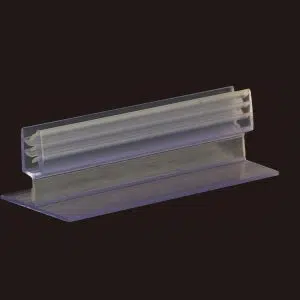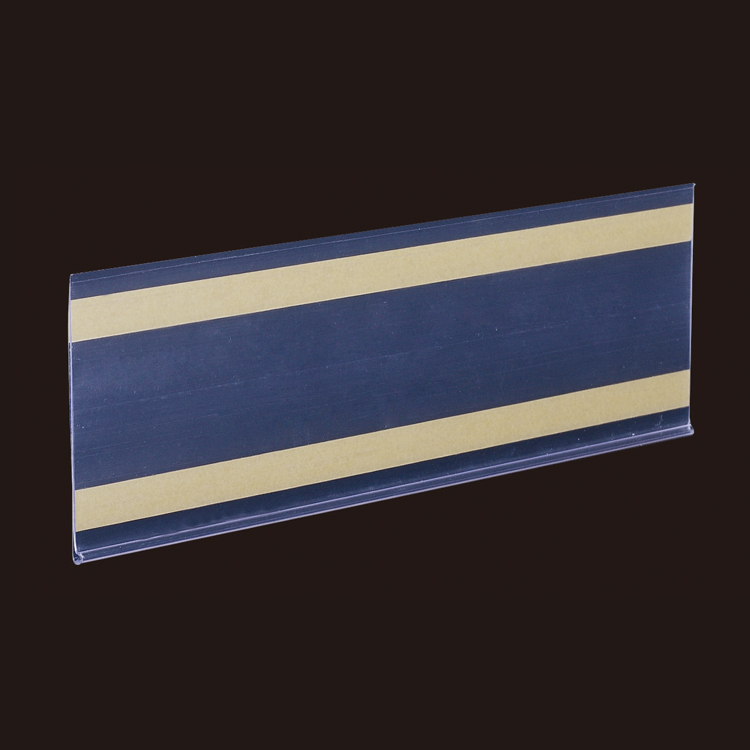
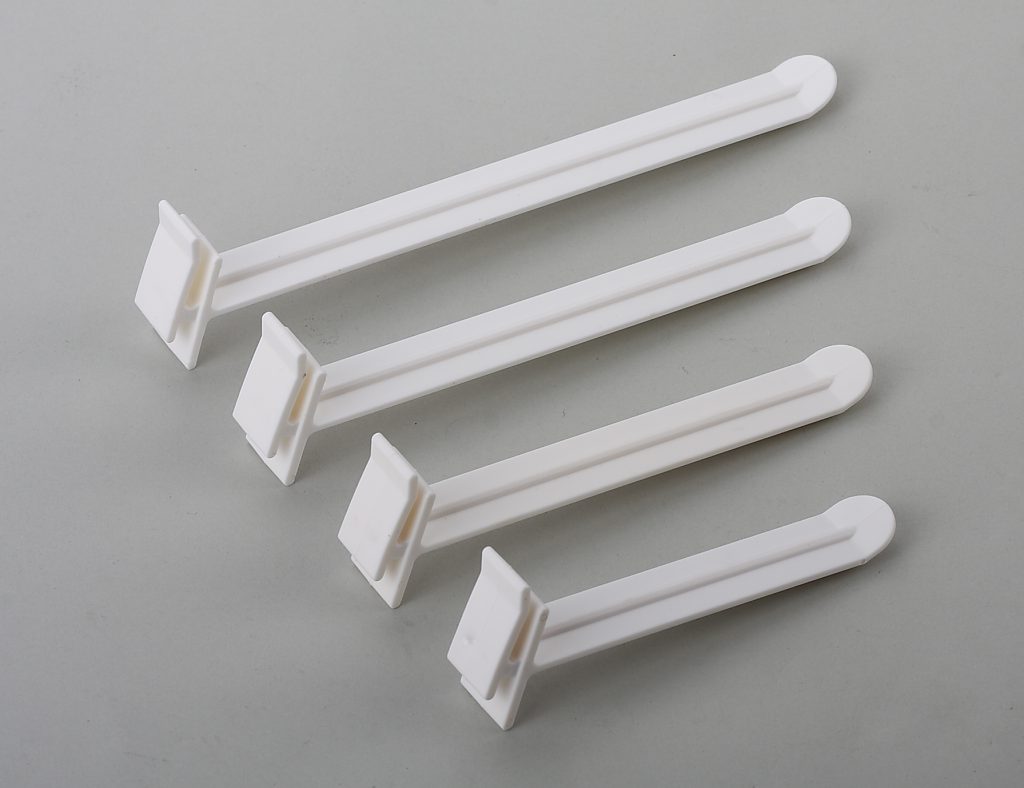
Wall hangers allow people to safely display items on walls, keeping them secure while protecting the wall from damage. Choosing the right type of hanger ensures stability and suitability for different wall materials and item weights, reducing the risk of damage. With these choices, people can select the most appropriate hanger to match both their item and the wall.
Key Takeaways
- Pick the right wall hanger for your item’s weight. Check the manufacturer-specified weight limit to ensure safe hanging, especially for heavy items.
- Different wall materials (drywall, plaster, concrete) require appropriate hangers or anchors for reliable support. Find out if your wall is drywall, plaster, or concrete. This helps you choose the best hardware.
- Use screws and anchors for heavy things. They hold items well. They work great for shelves and mirrors.
- Adhesive hooks are suitable for light items and cause minimal wall damage.
- Always read the instructions before installing. Doing it right keeps you safe. It also stops your walls from getting damaged.
Types of Wall Hangers
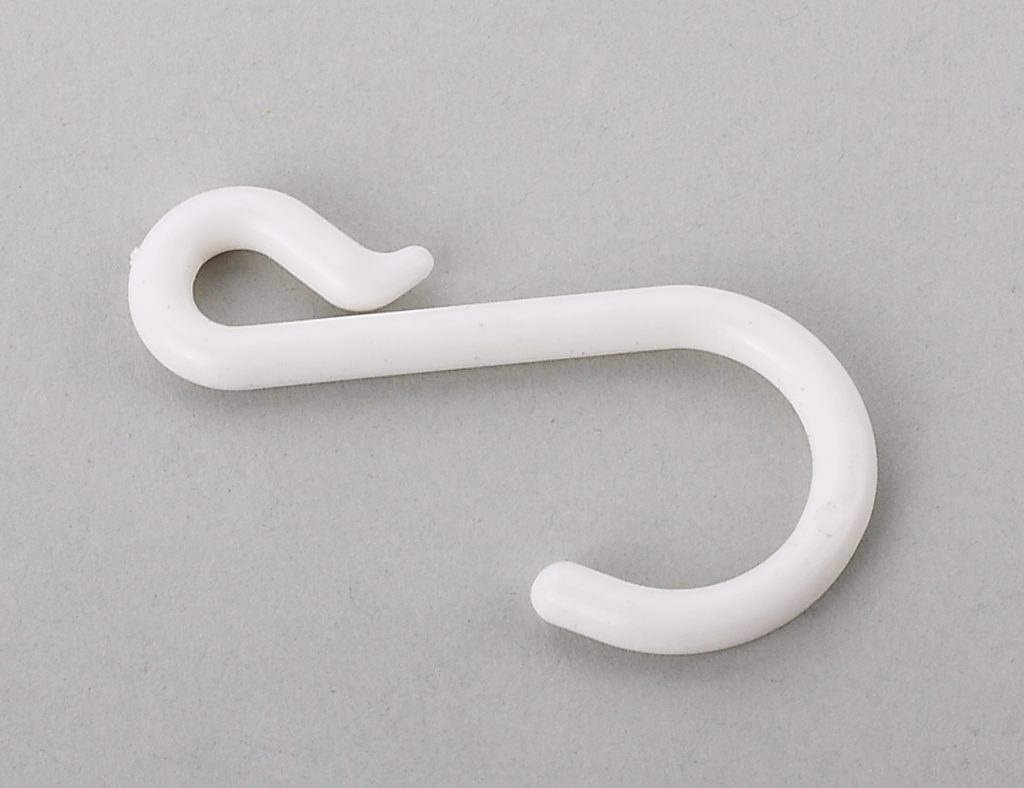
Pegboard-plastic-hooks
Pegboard plastic hooks are versatile and easy-to-use mounting hardware, ideal for organizing and displaying items on pegboards, slatwalls, or gridwalls. Made from high-quality plastic, they are lightweight, rust-resistant, and suitable for retail, workshop, or home storage setups. Different hook sizes and shapes accommodate a variety of products, from small tools to packaged goods. Tip: Always check the pegboard slot size and manufacturer guidelines to ensure the hook fits securely and safely holds your items. IDmate’s pegboard hooks provide reliable support and can be easily repositioned or replaced without damaging the display surface.
Slatwall Hooks
Slatwall hooks are sturdy and versatile hardware designed for use with slatwall panels, commonly seen in retail displays and workshops. Made from durable materials such as high-quality plastic or metal, they can hold a variety of items, from packaged goods to tools and decorations. Hook types and sizes vary, so it’s important to follow manufacturer guidelines to ensure secure installation and proper weight support. Slatwall hooks are easy to reposition, allowing flexible display arrangements without damaging the panel. Brands like IDmate offer a wide selection of slatwall hooks compatible with different panel profiles, providing reliable support for both light and medium-weight items.
Adhesive Hooks
Adhesive hooks are great for renters and people who do not want holes. These hanging hardware types stick to smooth walls, glass, or tile. They are easy to take off and do not hurt the wall.
The table below shows how much weight some adhesive hooks can hold:
| Product Name | Weight Capacity |
|---|---|
| Command™ Products Weight Limits Guide | 4 pounds |
| Command™ Modern Metal Large Hook | 5 pounds |
| Command™ Traditional Brushed Nickel Finish Large Hook | 5 pounds |
| Command™ Designer Large Hook Brushed Nickel | 5 pounds |
| Command™ Outdoor Large Oil-Rubbed Bronze Metal Hook | 5 pounds |
| Command™ Shower Caddy | 7.5 pounds |
Adhesive hooks perform optimally on smooth, clean surfaces. Follow the manufacturer’s instructions regarding temperature and humidity ranges for reliable adhesion.
Note: Do not use adhesive hooks for heavy things or in wet places unless the package says it is okay.
Expanding Plastic Sleeves
Expanding plastic sleeves are hanging hardware types get bigger inside the wall when you put in the screw. They help hold light or medium-weight things. People use them for pictures, small shelves, and decorations.
- Good for hanging light things when the force is sideways.
- Can help hold heavier things if used with strong anchors.
- Not good for ceilings unless the item is very light.
Here is a table that compares expanding plastic sleeves and metal anchors:
| Feature | Expanding Plastic Sleeves (Sleeve Anchors) | Metal Anchors (Wedge Anchors) |
|---|---|---|
| Strength | Works in many materials | Very strong in solid concrete |
| Longevity | Usually lasts, but depends on material | Lasts a long time in concrete |
| Removal | Easier to take out | Harder to take out |
Expanding plastic sleeves are common mounting and hanging hardware. They are a good choice for many home projects.
Remember: Always pick the right hanging hardware for your item’s weight and size.
Types of Picture Hangers

Picture hangers are different from general wall hangers. They are made for artwork and framed photos. People use them when they want to display pictures safely and neatly. General wall hangers, like hooks, can hold many items, but picture hanging hardware focuses on the needs of art and frames. Choosing the right types of picture hangers helps protect both the wall and the artwork.
Sawtooth Hangers
Sawtooth hangers are one of the most popular types of picture hangers. They work best for small and lightweight frames. People like them because they are easy to use and adjust. Standard sawtooth hangers can hold up to 20 pounds. Some mega sawtooth hangers can support much heavier items, even up to 250 pounds. These wood frame hangers attach to the back of the frame and hook onto a nail or screw in the wall. Many students use sawtooth hangers for school art projects.
Tip: Always check the weight of your frame before choosing sawtooth wood frame hangers.
D-Rings and Wire
D-rings and wire systems are another common type of picture hanging hardware. They give extra stability to frames. People attach D-rings to both sides of the frame and connect them with a strong wire. This method lets the picture hang flat against the wall. D-rings come in different sizes. For example:
| Type of D-ring | Weight Capacity |
|---|---|
| 2-hole D-ring | 40 lbs |
| 1-hole D-ring | 25 lbs |
| Light duty hanger | 20 lbs |
D-rings and wire work well for wood frame hangers. They help balance the weight and make it easy to adjust the picture. Many galleries use this picture hanging method for displays.
Keyhole and T Hooks
Keyhole and T hooks are strong types of picture hangers. They are good for heavy frames and objects. These wood frame hangers let the item sit close to the wall, giving a neat look. People like them because they are easy to install and remove. Here is a table showing their benefits:
| Benefit | Description |
|---|---|
| Secure Load Support | Holds heavy items safely, reduces slipping |
| Flush Wall Mounting | Keeps frames close to the wall |
| Easy Installation | Quick to set up and adjust |
| Versatility | Works for shelves, TVs, and decorations |
| Minimal Wall Damage | Fewer screw points, less wall damage |
| Cost-Effective | Durable and affordable |
Keyhole and T hooks are a smart choice for wood frame hangers when strength and a clean look matter.
French Cleats
French cleats are a classic type of picture hanging hardware. They have been used for hundreds of years. A French cleat uses two pieces of wood, each cut at a 45-degree angle. One piece attaches to the wall, and the other to the back of the frame. When the two pieces fit together, gravity holds the frame in place. This system works well for large or heavy items. People can use a full-length cleat to support the frame at every wall stud. French cleats cause little wall damage and make it easy to move or adjust the frame.
French cleats are a top choice for wood frame hangers in schools, galleries, and homes. They give strong support and keep the artwork safe.
Note: Always match the picture hanging hardware to the weight and size of your frame for the best results.
Specialty Hangers
Euro Hangers
Euro hangers are commonly used in retail displays and work well with pegboards and slatwalls. They work well with blister packs and other packaged goods. Stores use this hanging hardware because it fits pegboards and slatwalls. Euro hangers usually have two prongs for extra support. People pick them because they are strong and easy to put up. These hangers also work with metal frame hangers and other mounting hardware.
Security Hangers
Security hangers stop theft and tampering in public places. Many businesses use this hanging hardware to keep valuable things safe. Security systems use special rods that need a unique action to remove. For example, some anti-theft systems use a rod that must be turned to take out the item. This design makes it hard for someone to remove things without permission. Security kits give the most safety for items on walls. They are used in galleries, hotels, and offices where protection is important. Security hangers work with wood and metal frame hangers.
Tip: Security hangers are a smart choice for public displays and commercial art hanging.
Bear Claw Screws
Bear claw screws are strong and simple to use. They are good mounting hardware for heavy frames, mirrors, and decorations. The self-drilling tip lets you install them fast with a Philips screwdriver. You do not need a pilot hole. Bear claw screws provide strong support for medium to heavy items; refer to manufacturer specifications for exact weight limits on drywall or studs. With plastic anchors, they can hold up to 100 pounds. The table below shows their features:
| Feature | Details |
|---|---|
| Load Capacity | 30 lbs in drywall, 100 lbs in stud, 100 lbs with anchors |
| Installation | Philips screwdriver, no pilot hole needed |
Bear claw screws work well with metal frame hangers and other hanging hardware.
Plastic Display Hooks
Plastic display hooks, like IDMATE’s, are light and strong for organizing products. These hooks are made from high-quality plastic and fit many display systems. Stores use this mounting hardware for pegboards, slatwalls, gridwalls, and corrugated displays. IDMATE’s hooks come in different shapes and sizes, so they work for many uses. They are easy to put up and change, which helps stores update displays quickly. The table below shows their compatibility:
| Display System Type | Compatible Fittings |
|---|---|
| Hook-on Acrylic Holders | WM11, R1000P, R1500, P01, REC |
| Cable Suspensions | CA4, C101-4M, CWW, CS05, CS09, R1000P, R1500, REC |
| 10mm Rod Supports | WM11-10, R1000-10, R1500-10, P01, REC-10 |
Plastic display hooks do not rust, so they work inside and outside. Many stores use them with metal frame hangers and other hanging hardware for flexible displays. IDMATE’s hooks help businesses make neat and safe product presentations.
Choosing Wall Hangers
Weight and Wall Type
Selecting the right wall hangers starts with knowing the weight of the item and the wall material. Each mounting hardware has a weight rating. Heavier items need stronger hangers. Drywall, plaster, and concrete walls all have different strengths. For example, a wall dog screw can hold up to 50 pounds on drywall but supports 200 pounds on concrete. Iron wall hangings work well in homes with kids and pets because they are very durable. Always check the wall type before picking a hanging solution.
Key factors to consider:
- Weight rating of the hanger
- Material of the frame
- Wall type (drywall, plaster, concrete, brick)
Matching Hanger to Item
Matching the right mounting hardware to the item keeps everything safe and straight. Use two hooks for framed pictures with wire to spread the weight. Choose picture hooks rated for three to four times the item’s weight. For heavy objects, use screws or hollow-wall anchors. Mark the wall for placement and make sure hooks are level before installing.
Steps for matching hanger to item:
- Find out the item’s weight.
- Pick a hanger with a higher weight limit.
- Select the right fastener for the wall.
Installation Tips
Proper installation makes any hanging solution safer. Use a stud finder to locate wall studs for heavy items. Gather tools like a tape measure, hammer, level, and drill. Follow the instructions for each type of mounting hardware. Always use new, undamaged anchors. Avoid over-tightening screws, which can weaken the wall.
Tip: For complex setups or very heavy items, ask a professional for help.
Pros and Cons
The table below compares common wall hangers:
| Type | Pros | Cons |
|---|---|---|
| Nails and Hooks | Easy to install, low cost | Limited weight, may damage walls |
| Screws and Anchors | Strong support, works on many walls | Needs tools, harder to remove |
| Adhesive Hooks | No wall damage, easy to remove | Not for heavy items, limited by surface |
| Plastic Display Hooks | Lightweight, rust-free, versatile | Best for displays, not heavy loads |
Independent reviewers, such as Wirecutter and Consumer Reports, suggest adhesive hooks for light items; heavier items require stronger hardware. Always choose the mounting hardware that fits your needs for a safe and lasting hanging solution.
Wall hangers are made for different jobs. The table below lists some main types:
| Type of Hanger | Weight Capacity | Installation Method |
|---|---|---|
| Expansion Anchors | Heavy objects | Drilling and securing in wall framing |
| Toggle Bolts | Extremely heavy | Special steps for maximum support |
| Picture Hangers | Lightweight | Simple nail installation |
| D-rings | 3-200 lbs | For wooden frames, many sizes available |
| Euro Hangers | Depends on frame | Easier for metal frames |
Picking the right wall hanger keeps things safe. It also helps the wall stay strong. The hanger should fit the item’s weight and wall type. People can use the table to help choose. Always check the weight limit before hanging. Follow all instructions for safe use.
FAQ
What wall hanger works best for heavy items?
People use screws with anchors or toggle bolts for heavy items. These hangers give strong support. Always check the weight rating before hanging anything heavy.
Can adhesive hooks damage walls?
Adhesive hooks usually do not damage walls if removed correctly. Users should follow the instructions on the package. Pull the tab slowly to avoid peeling paint.
How does someone know which wall hanger to choose?
People should check the item’s weight and the wall type. They can use this simple table:
| Wall Type | Best Hanger |
|---|---|
| Drywall | Anchors, Screws |
| Plaster | Hooks, Anchors |
| Concrete | Expansion Anchors |
Are plastic display hooks strong enough for retail use?
Plastic display hooks, such as those from IDmate, are lightweight, rust-resistant, and widely used in retail displays for flexible product organization. They work well with pegboards and slatwalls. These hooks resist rust and last a long time.
Do all wall hangers need tools for installation?
Not all wall hangers need tools. Adhesive hooks and some plastic display hooks install by hand. Screws and anchors need a screwdriver or drill.