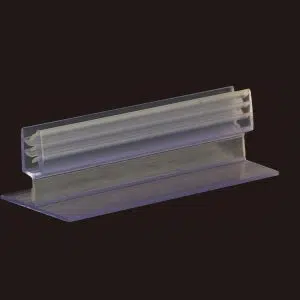
Yes, provided the correct method is used, hooks can be removed without damaging the wall paint. However, improper removal techniques can easily result in damage to the paintwork, so patience is essential during the process. First, identify the type of hook you are dealing with—whether it is an adhesive hook, a screw-mounted hook, or a display hook such as IDmate. Below is a brief overview of several common types:
| Type of Wall Hook | Description |
|---|---|
| Adhesive Wall Hangers | Easy to install and remove adhesive hooks without damaging paint. |
| Hook Wall Hangers | Great for keys, jackets, bags; sticky or screw-mounted. |
| Picture Hangers | Hold framed pictures securely. |
| Utility Wall Hangers | Heavy-duty, ideal for tools and gear. |
If you need to remove the hook, we recommend using appropriate tools and proceeding gently to minimize any impact on the wall surface.
Key Takeaways
- Before removing a hook, identify its type—whether adhesive, screw-mounted, or a display hook—as this helps determine the correct removal method. For adhesive hooks, gently heating the adhesive to soften it prior to removal can help minimize damage to the wall paint. It is recommended to test any cleaning agents or removers in an inconspicuous area before use.

Identifying Wall Hook Types
Identifying the hook type before starting can effectively prevent operational errors.
Adhesive Hooks from Walls
Here’s a quick table to help you spot adhesive hooks:
| Characteristic | Description |
|---|---|
| No Drilling | You don’t need to drill holes. The hook sticks right on the wall. |
| Securely Mounted | The adhesive holds tight. You get a durable grip for your items. |
| Including Adhesive | The hook comes with adhesive and a mounting adapter. |
| High Quality | Many hooks use strong materials. They look good and last longer. |
| Practical and Easy to Mount | You can mount them in just a few steps. They work for many uses. |
If you see a plastic hook with a sticky pad, you’re looking at adhesive hooks. These hooks work well for quick changes. You can use command strips with adhesive hooks for extra hold.
Screw-In and Display Hooks
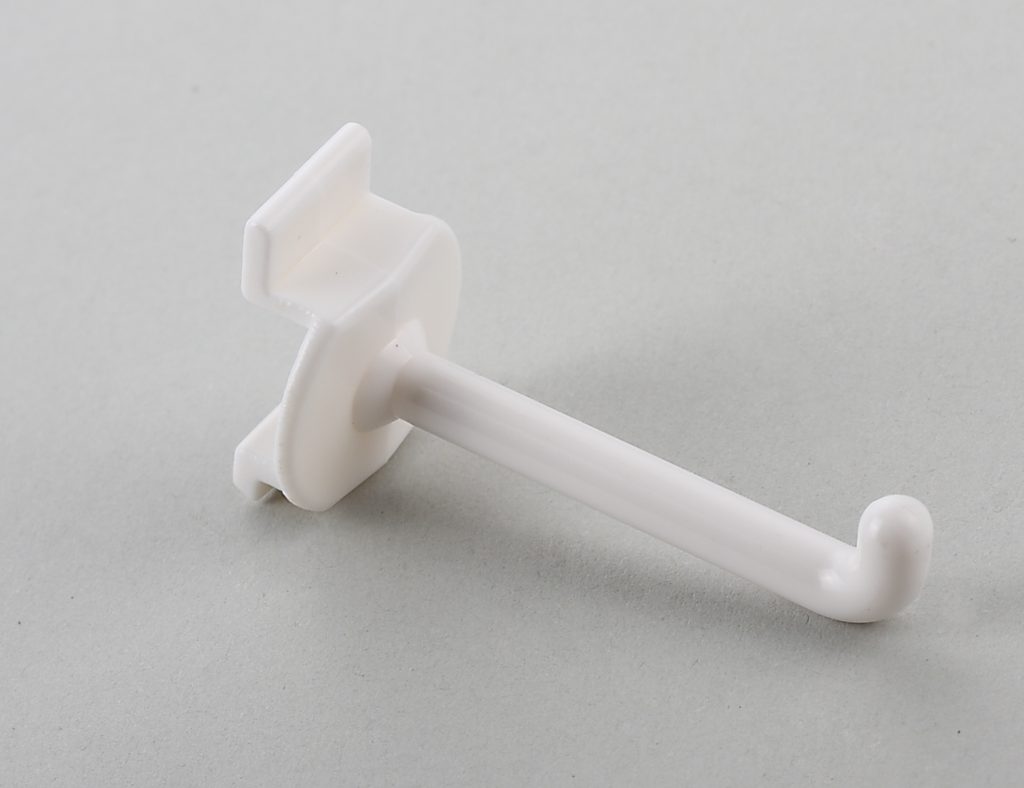
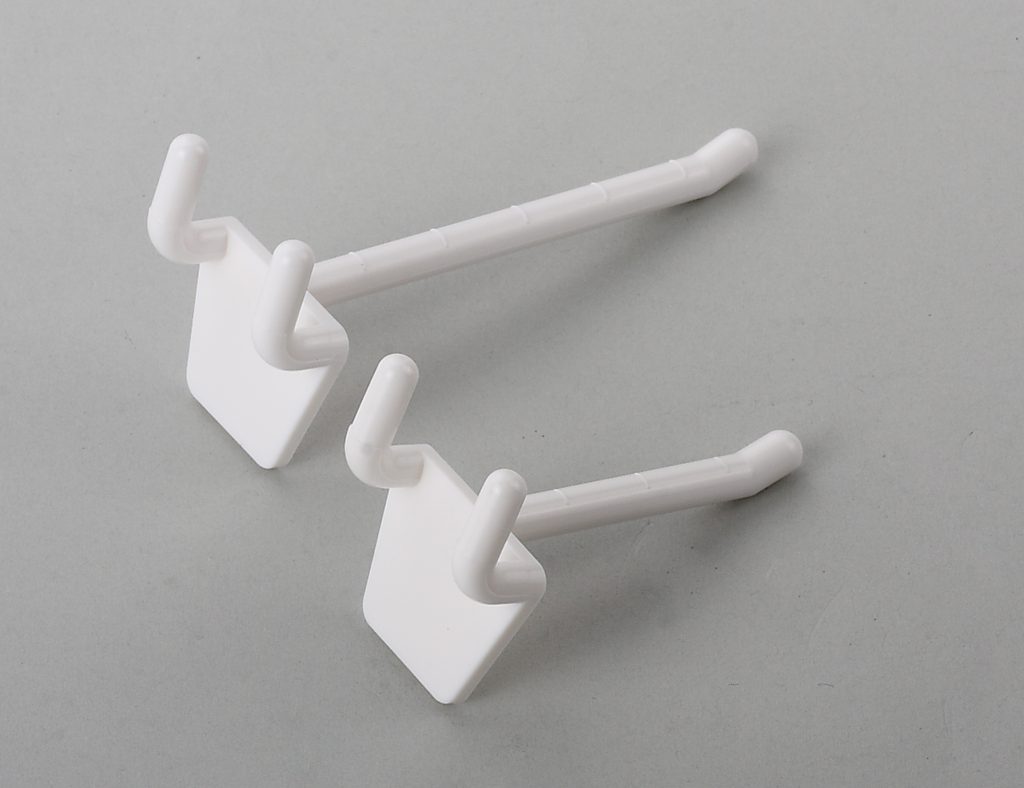
Screw-in hooks and display hooks are a bit different. You need tools for screw-in hooks. Display hooks, like those from IDmate, often use command strips or mounting adapters. You can use these hooks for heavier items or retail displays.
Check out this table to compare hook types:
| Hook Type | Material | Weight Capacity | Installation Method |
|---|---|---|---|
| Screw Hooks | Metal/Wood | Over 25 pounds | Requires tools |
| Adhesive Hooks | Plastic | Up to 7 pounds | No tools required |
| Ceiling Hooks | Metal | Varies | May require anchors |
| Peg Hooks | Wood | Varies | Simple installation |
You can spot screw-in hooks by their metal body and threaded ends. Display hooks often look sleek and modern. You might see command strips holding them up. If you want to remove these hooks, check how they’re attached. Some display hooks use adhesive hooks from walls, while others use screws.
Always check the installation method before you start. If you see command strips, you know the hook is easy to remove. If you see screws, grab your tools.
Safe Hook Removal Steps
Remove Adhesive Hooks from Walls
To keep the wall surface tidy, adhesive hooks must be removed with care. The procedure is as follows:
- Heat the hook with a hairdryer for approximately one minute to soften the adhesive.
- Slide dental floss or a plastic card back and forth behind the hook to gradually separate the adhesive bond.
- Peel the hook away slowly at an angle close to 180 degrees to avoid pulling directly with force.
- If any residue remains, gently remove it using a plastic tool.
- Clean the surface using rubbing alcohol or a mild detergent.
- Finally, wash the area with soapy water and wipe it dry.
Tip: Before using any adhesive remover, be sure to perform a spot test on a small, inconspicuous area first.
Here’s a quick table for safety precautions:
| Safety Precaution | Description |
|---|---|
| Testing Small Areas First | Try any remover on a hidden spot. Wait to check for color changes or damage. |
| Protecting Your Wall Surface | Place painter’s tape around the hook area. This shields paint from scratches or chemicals. |
Remove Command Strips
Removing Adhesive Strips Requires Patience:
- Gently pull on the bottom of the picture frame to separate the adhesive strip from the object.
- Grasp the strip’s tab and, keeping it close to the wall surface, slowly pull it downward while stretching it.
- Maintain a vertical direction; avoid applying force horizontally.
- Clean up any adhesive residue and wipe the surface clean.
Note: Pulling too quickly or in the wrong direction may easily cause the wall paint to peel off.
With prolonged use or in humid environments, the adhesive strength of the strips may increase; therefore, it is recommended to use gentle heat and a plastic tool to assist with removal, and to promptly clean up any remaining residue.
Remove Display Hooks (IDmate)
Display hooks like those from IDmate are designed for easy removal while simultaneously safeguarding the wall surface. The removal steps are as follows:
- Use a hairdryer to heat the hook for 1–2 minutes.
- Gently pry up the edges using a plastic card.
- Remove the hook steadily, avoiding any twisting or sudden tugging motions.
- Remove any residual adhesive and clean the surface.
Tip: IDmate products are crafted from high-quality materials, which helps minimize any potential impact on your walls.
Provided the removal steps are followed correctly, the hook can be detached without causing any damage to the wall surface.
Troubleshooting and Minor Wall Repairs
Sticky Residue Solutions
Removing hooks or damage-free adhesive strips often leaves behind sticky residue on the walls. To restore your walls to a clean and pristine condition, consider trying the following simple and effective methods:
- Take a cotton ball and saturate it with isopropyl alcohol (rubbing alcohol) with a concentration of 70% or higher. Repeatedly rub the sticky area using small circular motions. This method is highly effective for removing most types of adhesives.
- Use a household oil, such as olive oil, coconut oil, or baby oil. Apply a few drops to the sticky residue, let it sit for 5 to 10 minutes, and then wipe it away with a soft cloth.
- Mix equal parts white vinegar and water. Dip a cloth into the mixture, apply it to the residue, let it sit for five minutes, and then gently wipe the area.
- Try using a commercially available, specialized adhesive remover product, such as Goo Gone. Be sure to strictly follow the instructions on the product label when using it, and open a window to ensure proper indoor ventilation.
For a gentler cleaning option, mix dish soap with warm water. Then, use a soft cloth dipped in the mixture to gently scrub the affected area.
Below is a concise reference chart designed to help you quickly select the most suitable cleaning method:
| Method | Description |
|---|---|
| Isopropyl Alcohol | Rub in circles with a cotton ball. Good for most sticky spots. |
| Household Oils | Wait 5–10 minutes, then wipe clean. Breaks down sticky glue. |
| Vinegar Solution | Soak and wipe gently. Safe for most painted walls. |
| Commercial Adhesive Remover | Works fast. Always follow directions and rinse the wall after. |
| Dish Soap and Warm Water | Scrub gently. Great for sensitive paint and command strips residue. |
Tip: Always test your cleaning method on a hidden spot first. This keeps your paint safe.
Fix Minor Paint Damage
Sometimes, you see small chips or marks after you remove hooks or command strips. Don’t worry. You can fix these spots with a few simple steps:
- Clean the area with mild dish soap and water. Dry with a soft cloth.
- Dab a little rubbing alcohol on a cotton swab. Wipe away any leftover command strips residue.
- If you see a chip, use a small brush to touch up the paint. Try to match the color as closely as possible.
- For tiny holes, fill them with a bit of spackle or wall putty. Smooth it out with a plastic card.
- Let the spot dry, then paint over it if needed.
Note: Pulling command strips too fast or using sharp tools can cause paint damage. Always go slow and use gentle tools.
You can keep your walls looking fresh if you use the right steps to remove hooks and command strips. A little patience goes a long way!
FAQ
How do you remove sticky residue after taking off a hook?
You can use isopropyl alcohol or a little dish soap and water. Rub gently with a soft cloth until the sticky spot disappears.
Can you reuse adhesive hooks after removal?
No, you can’t reuse most adhesive hooks. The sticky part loses its grip. You should use a new adhesive strip for best results.
What tools do you need to remove wall hooks safely?
- Hairdryer
- Dental floss or plastic card
- Soft cloth
- Mild cleaner
These tools help you avoid paint damage.