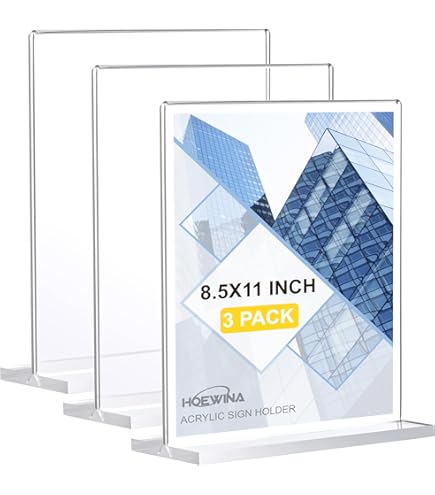

Acrylic sign—such as IDmate acrylic sign holders—typically proves highly durable in busy environments. However, accidents are inevitable and can lead to issues such as warping, cracks, or scratches. The good news is that you can often repair these common acrylic signage issues yourself right at home. By using the right tools and strictly adhering to safety precautions, the repair process becomes not only easier but also safer for everyone involved.
Key Takeaways
- Check acrylic signs often for damage like scratches or cracks. Look for warping so you can fix problems early.
- Use the correct tools, like acrylic adhesive and sandpaper, to fix small damage at home. This helps you stay safe.
- Always wear safety gear, like gloves and goggles, when fixing acrylic signs. This keeps you safe from harm.
- If there is big damage, like large cracks or bad warping, get help from a professional. This stops the problem from getting worse.
- Keep acrylic signs clean and store them the right way. This helps them look good and last longer.
Assess acrylic sign Damage

Types of Damage
When using acrylic signage, people often encounter a variety of issues. For instance, they may discover scratches on the surface of the sign; exposure to heat can cause bubbles to form within the material; furthermore, acrylic is prone to bending or warping—damage that is often irreversible. Over time, the signage may also gradually yellow or become discolored. Additionally, if subjected to impact or dropped, the signs are susceptible to chipped corners or cracks. Even products made from robust materials—such as IDmate acrylic sign holders—are not entirely immune to these issues in busy, high-traffic environments.
- Surface Scratches
- Bubble Formation
- Deformation or Warping
- Yellowing or Discoloration
- Chipped Corners and Cracks
Therefore, users should carefully inspect the text and edges of their signage, looking out for any signs of damage. Conducting such thorough inspections helps ensure that potential issues are detected and resolved at an early stage.
Severity Check
Damage manifests in various forms and is rarely uniform. Minor scratches or tiny chips typically do not impair the sign’s normal functionality, whereas deep cracks, large missing sections, or structural warping constitute more severe forms of damage. You can run your fingers over the sign’s surface to detect any rough spots or protrusions. If the sign stands firmly and the text remains clearly legible, the damage is likely minor; conversely, if the sign wobbles, appears warped, or the text is blurred or illegible, the damage is likely significant.
Tip: Use bright light to check for damage. It helps people see scratches, bubbles, and color changes better.
DIY or Professional?
For minor issues with acrylic signs, you may be able to attempt repairs yourself at home. Problems such as light scratches, small chips, or slight warping are generally quite easy to fix. You simply need a few basic tools and a simple set of instructions to complete the task. However, if the sign exhibits severe cracks, broken components, or significant structural deformation, it is essential to seek professional assistance. In such cases, simple home-based repairs are often insufficient to resolve the issue. IDmate offers dedicated support services and replacement solutions for its range of acrylic sign display products. If you are unsure how to address damage to your sign, please feel free to contact us at any time.
Tools and Safety for Acrylic Sign Repair

What You Need
When repairing acrylic signage, it is essential to select the appropriate tools. Each tool serves a specific purpose. Adhesives specifically designed for acrylic, as well as epoxy resins, can be used to repair cracks and chips. UV resin (ultraviolet-curing resin) is particularly suitable for repairs where maintaining transparency is critical. Clamps are used to hold the parts being repaired together while the adhesive cures. Sandpaper is used to smooth rough surfaces. Polishing compounds help restore the signage to its original luster. Additionally, isopropyl alcohol should be used to clean the acrylic surface; this helps remove dust and grease, thereby ensuring better adhesion of the repair materials.
Tip: Always ensure that the repair materials you choose are compatible with the signage material. IDmate acrylic sign holders are manufactured using high-quality acrylic or PVC materials; therefore, please select adhesives and tools that are suitable for these specific materials.
Safety Tips
Safety is paramount when repairing acrylic sign holders. Wear gloves to protect your hands. Wear safety goggles to prevent dust and debris from injuring your eyes. Wear a face mask to avoid inhaling fine acrylic particles or harmful fumes. Wearing a face shield provides more comprehensive facial protection, further enhancing safety. Ensure the work environment is well-ventilated to keep the air fresh and reduce the concentration of harmful vapors. Keep your work area tidy and organized to prevent accidents.
| Safety Equipment | Purpose |
|---|---|
| Gloves | Protect hands from cuts and chemicals |
| Goggles | Shield eyes from dust and debris |
| Mask | Prevent inhaling particles and fumes |
| Face Shield | Extra coverage for face and eyes |
Workspace Prep
A safe work environment facilitates a more efficient and effective repair of acrylic signage. Ensure that all safety protective equipment is ready for use. The Safety Data Sheets (SDS) for any adhesives or chemicals used in the repair process should be kept in an easily accessible location. Be sure to familiarize yourself with the proper procedures for waste disposal. Whenever possible, opt for tools that minimize dust generation; for small repair tasks, manual tools—such as a utility knife—are often the ideal choice. If power tools are required, it is recommended to select models equipped with a HEPA vacuum attachment.
Note: Keeping the work area clean not only ensures that the text or graphics on the acrylic signage remain clear but also effectively extends the longevity of the repair.
How to Repair Acrylic Sign
Fix Warps with Heat
Acrylic signs can bend if they get too hot. Uneven surfaces or bad storage can also cause warping. You can fix a warped acrylic sign at home. Use a heat gun and be patient. Put the sign on a flat table. Make sure the table is clean and steady. Set the heat gun between 250°F and 350°F. This temperature softens acrylic but does not melt it.
Move the heat gun slowly over the bent part. Hold the gun at least six inches away. When the acrylic gets soft, press it down gently. Use a flat book or board as a weight. Let the sign cool so it goes back to its shape. Do not use too much heat. Too much heat can make bubbles or ruin the sign. Store acrylic signs flat to stop warping. Use good installation methods to keep them straight.
Tip: Leave small spaces around the edges when you install the sign. This lets the acrylic move without bending.
Repair Cracks and Chips
Cracks and chips can significantly detract from the aesthetic appeal of acrylic signage. With the right tools, however, you can easily repair this damage. First, clean the damaged area with isopropyl alcohol to remove any dust or grease. Next, apply a specialized acrylic adhesive or UV resin to the crack or chip. For a strong and long-lasting repair, a solvent-based acrylic adhesive is your best choice.
| Adhesive Type | Strength | Durability | Environmental Resistance |
|---|---|---|---|
| Solvent-Based Acrylic | High | High | Excellent |
| Epoxies | Moderate | Moderate | Good |
| Silicones | Low | Moderate | Fair |
After applying the adhesive, gently clamp the sign to hold the damaged area in place until the adhesive has fully cured. Once the adhesive has dried, use fine-grit sandpaper to smooth and finish the repaired area. First, perform a light sanding using 1000-grit sandpaper; subsequently, switch to 2000-grit sandpaper for fine sanding until the surface becomes smooth and glossy. Finally, apply a small amount of polishing compound to a microfiber cloth and wipe the surface to restore the sign’s original clarity and smoothness.
Note: Solvent-based acrylic cement makes a strong hold. It lasts longer than other glues. It works well for IDmate Acrylic Sign Holders.
Remove Scratches
Scratches on the acrylic surface not only detract from its aesthetic appeal but can also make the text on the sign difficult to read. You can remove these scratches using a “wet sanding” and polishing method. First, soak 1000-grit sandpaper in water for approximately ten minutes. Gently sand the scratched area while keeping the surface moist. For deeper scratches, begin by sanding with 800-grit sandpaper; then, proceed sequentially with 1000-grit and 2000-grit sandpaper to achieve a smooth, even surface finish.
- Soak the 1000-grit sandpaper in water for approximately ten minutes.
- Gently sand the scratched area, ensuring the sanding zone remains moist throughout the process.
- Next, use 2000-grit sandpaper to sand the surface, rendering it smoother and more refined.
- Dry the sign, then apply a small amount of polishing compound to a microfiber polishing pad and spread it over the sign’s surface.
- Polish the surface using a circular motion until the sign achieves a glossy, lustrous finish.
Novus brand polishing compounds are highly recommended for this type of repair work. Wipe away any excess polishing compound and carefully inspect the repaired sign under bright lighting. Repeat the repair steps above if necessary. Following this series of treatments, the sign will be restored to a crystal-clear, like-new condition.
Callout: Clean the sign before you sand it. Dirt can make more scratches.
IDmate Acrylic Sign Holders are strong and easy to fix. Their acrylic works well with heat, glue, and polish. People who fix acrylic sign holders at home can keep their signs looking nice and clear.
When Should You Seek Help to Repair Acrylic Sign?
Severe Damage Signs
Sometimes, the extent of the damage is too severe to be resolved through simple patching. In cases involving large cracks or missing components, glue alone is insufficient to effect a repair. Deep fissures within the acrylic material are particularly difficult to mend yourself at home. If the sign stand becomes severely warped, it will be unable to remain upright; furthermore, the text on the acrylic sign itself may become illegible. Damage to corners or chipped edges are clear indications that the sign requires professional repair. Additionally, the appearance of cloudy spots or large air bubbles within the sign’s interior can compromise its structural integrity. Any of these issues may create safety hazards during the sign’s use.
Callout: If the sign feels shaky or parts move, ask an expert for help.
Risks of DIY
Attempting DIY repairs is suitable only for addressing minor nicks or surface scratches. Trying to repair large cracks at home often proves counterproductive, potentially worsening the damage. Using the wrong type of adhesive or applying excessive heat can cause the acrylic material to melt or even turn yellow.
| DIY Risk | Possible Result |
|---|---|
| Wrong adhesive | Weak bond, yellowing |
| Excessive heat | Melting, bubbles |
| Over-sanding | Cloudy surface |
| No safety gear | Injury |
Finding Help
If you are unable to repair the sign yourself, please consult a professional. Many sign manufacturers or repair shops offer specialized repair services for acrylic signage. Professionals utilize specialized tools and adhesives to restore damaged signs. You may also contact the sign’s original manufacturer (e.g., IDmate) directly to request repair assistance or to order a replacement sign.
Tip: Save your receipt and product info. This helps you get support or a new sign.
Repairing acrylic signs starts with cleaning, inspecting, and fixing small issues quickly. People should use proper tools and safety gear for every repair. They can follow these steps:
- Clean signs gently to avoid scratches.
- Inspect regularly for damage.
- Handle signs with care and store them in a cool, dry place.
- Touch up paint and plastic to keep signs looking sharp.
- Seek professional help for severe damage.
IDmate Acrylic Sign Holders stay strong and clear with regular care. Timely repairs help businesses keep their displays bright and professional.
FAQ
How can I prevent scratches on acrylic signs?
When cleaning your sign, use a soft microfiber cloth. Never use abrasive sponges or paper towels. Regular dusting helps keep the surface clean. Using a mild cleaning agent helps protect the acrylic material from damage.
Which adhesive is best for repairing cracks?
Solvent-based acrylic-specific adhesives create a strong bond. Epoxy resins are suitable for small-scale repairs. The adhesive you choose should be compatible with the material of the sign holder. IDmate acrylic sign holders are fully compatible with all of the aforementioned types of adhesives.
Can I polish an acrylic sign myself at home?
Absolutely! You can use a polishing compound paired with a microfiber polishing pad. Wet sanding with fine-grit sandpaper can remove scratches; following this with a polish will restore the sign’s luster and clarity. Before you begin, be sure to clean the sign and strictly adhere to safety protocols.
Is it safe to use a heat gun on an acrylic sign?
Yes, provided that you keep the heat gun’s temperature between 250°F and 350°F (approximately 121°C to 177°C). Move the heat gun slowly while working, and be careful not to overheat the sign. Wearing gloves and safety goggles throughout the process helps ensure your personal safety.
When should I contact IDmate for assistance?
If your sign exhibits severe cracks, missing parts, or significant deformation, you should contact us for assistance. IDmate will provide you with appropriate technical support or replacement options. Having relevant product information ready in advance will help us serve you more efficiently.