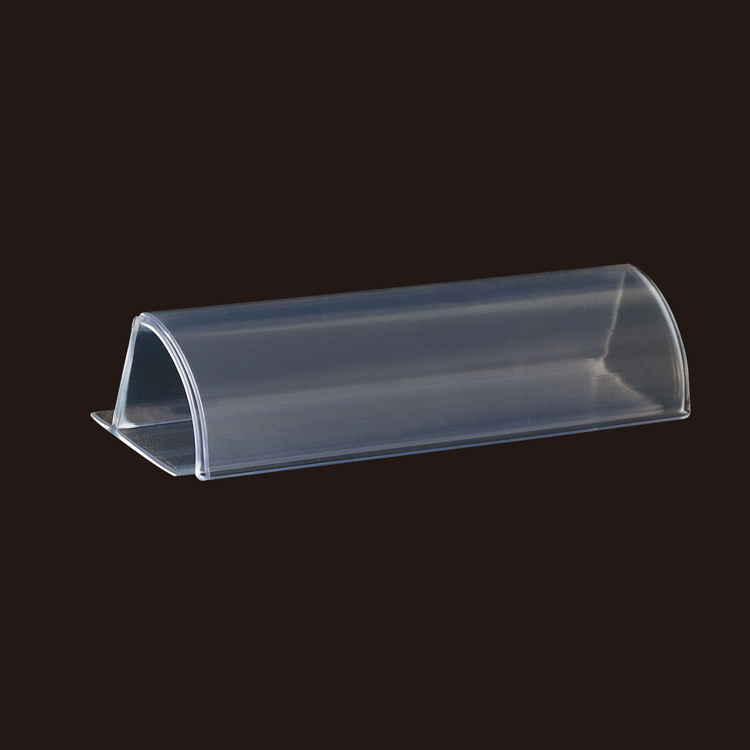
Not all sign stands are capable of withstanding strong winds. Some stands are designed exclusively for indoor use and may not be suitable for outdoor environments. A sign stand’s wind resistance depends on its materials, structural design, and anchoring method. Selecting the appropriate stand can effectively prevent it from tipping over or sustaining damage during windy weather. For instance, the acrylic sign holders offered by IDmate are renowned for their robustness and stability. By ensuring proper installation and utilizing high-quality materials, the safety and security of the signage can be guaranteed—even when subjected to strong gusts.
Key Takeaways
- Pick the correct sign stand for outside. Indoor stands can fall over in strong winds because they are light.
- Pick strong materials like acrylic or aluminum for outdoor signs. These materials do not get damaged by weather and last longer.
- Use heavy bases or anchors to hold sign stands down. Adding sand or water makes them more stable in the wind.
- Check and take care of sign stands often. This stops small problems from turning into big ones and keeps signs safe.
- Think about using aerodynamic designs. Things like wind slits help lower wind pressure and keep signs standing up.
Can a sign stand handle strong winds?
Factors affecting wind resistance
A sign stand’s ability to withstand strong winds depends on a variety of factors. The size and shape of the sign itself are critical: larger signs present a greater surface area exposed to the wind, making them more prone to tipping or swaying. The materials used for the stand are another decisive factor; utilizing robust materials—such as aluminum or acrylic—helps ensure the signage remains stable even during strong gusts.
Manufacturers test wind resistance in different ways. They use wind tunnels to see how the sign stand acts in the wind. They also use math to figure out wind load from the pole’s shape and size and the place it is used. Some sign stands have wind slits, which are holes that let air go through. These slits lower the wind’s push and help stop the sign from tipping over.
Other things that matter are the strength of the mounting hardware and how the sign stand is held down. Heavy bases or extra weights help keep the sign stand steady in bad weather. If the sign stand has strong hardware and a good base, it can handle strong winds better.
Note: Bigger signs make more drag, which changes wind resistance. Strong mounting hardware helps the sign stand stay up in the wind. Wind slits can lower wind pressure on the banner.
Typical wind speed limits
To ensure safety, outdoor sign stands must comply with specific wind-resistance standards. While most standard sign stands can withstand a certain degree of wind force, they often struggle to cope with extremely severe gusts. If a sign stand is not properly secured, the onset of strong winds can transform it into a potential hazard.
High wind is the only bad weather that can turn work zone safety signs into dangers. An aluminum sign hit by 75 mph wind and not held down well can fly and hurt workers or drivers.
Manufacturers usually say their sign stands can handle wind up to 30-40 mph. Some stronger sign stands can take gusts of 50 mph or more. When wind gets to 75 mph, even the best sign stands may have trouble unless they have extra anchors or special designs. People should always check the wind rating before putting signs outside, especially where strong winds or sudden gusts happen.
Selecting sign stands that are structurally sound and specifically engineered for windy environments not only helps ensure the integrity and security of the signage itself, but also serves to effectively safeguard the lives and safety of surrounding personnel during adverse weather conditions, such as high winds.
Indoor vs. outdoor sign stands
Why indoor stands fail outdoors
Indoor signage display stands are generally unsuitable for outdoor use. These stands are constructed from lightweight materials—such as thin plastics or light metals—making them prone to tipping over in windy conditions. Furthermore, indoor stands typically feature smaller bases that lack the necessary weight to provide adequate stability. Exposure to sun and rain can also cause them to deteriorate rapidly. In an outdoor environment, the colors on indoor signage often fade quickly when exposed to sunlight.
Outdoor sign stand advantages
Outdoor signage requires a robust support structure to remain stable and secure amidst adverse weather conditions, such as wind and rain. Outdoor banner stands are typically constructed from heavier, more substantial materials. Their bases are often designed to be fillable, allowing users to add sand or water to them. This added weight effectively enhances the stand’s overall stability. Many outdoor signage designs incorporate wind-resistant features; for instance, mesh banners are perforated with tiny holes that allow air to flow freely through them.
The table below outlines the key differences between outdoor and indoor signage display stands:
| Feature | Description |
|---|---|
| Heavier materials | Outdoor signage stands use strong materials to resist wind. |
| Fillable bases | Bases can hold sand or water for more stability. |
| Wind-resistant design | Designs let wind pass through, so the stand does not tip over easily. |
Outdoor signage display stands effectively protect signage from fading or sustaining damage. They are ideally suited for displaying outdoor banners at various events, in front of retail stores, or along sidewalks. Retractable banner stands specifically engineered for outdoor environments are not only quick to set up but can also be easily relocated as needed. By utilizing outdoor signage, businesses of all types can effectively convey their promotional messages to the public, regardless of the weather conditions.
Wind-resistant features in sign stands
Weighted bases and anchoring
Weighted bases and anchoring systems help weather-resistant signage remain upright in strong winds. Many display stand models feature bases that can be filled with sand or water. When fully filled, these bases can weigh up to 79 pounds, making them highly resistant to tipping over. Heavy-duty rubber or concrete bases prevent signage from toppling in light breezes. Concrete pedestals serve to firmly anchor weather-resistant signage in place during stormy weather. Steel sign posts are frequently used for permanent signage installations due to their durability and cost-effectiveness. Some bases feature a rounded-corner safety design to prevent people from being scratched by sharp edges.
Tip: Fillable bases allow you to easily move the display stand and adjust its weight to suit varying weather conditions.
Aerodynamic design
Aerodynamic design helps weather-resistant signage withstand strong winds. Many wind-resistant banner stands incorporate breathable panels or finely perforated designs. These features allow air to pass through the sign, thereby reducing the wind pressure exerted against it. Snap-frame designs offer a degree of flexibility, enabling them to effectively absorb the impact of strong wind gusts. Some display stand models allow users to adjust the height and tilt angle of the sign based on wind intensity. Weather-resistant materials—such as sturdy aluminum and molded plastics—ensure that the signage remains secure and intact in outdoor environments.
| Feature | Description |
|---|---|
| Aerodynamic shape | Uses vented panels or holes to lower wind pressure |
| Adjustable | Lets you change height and angle for different displays |
| Material | Uses strong aluminum and molded plastic for outdoors |
Flexibility and movement
Flexibility and movement help signs stay up in the wind. Telescoping masts let you change the height of weather resistant signs so they do not fall over. Locking mechanisms hold parts in place and stop them from moving when you do not want them to. A low center of gravity makes signs more steady. Flexible designs let wind resistant banners move with the wind, so they do not tip over. Handles and wheels make it easy to move signs when you need to.
| Design Feature | Contribution to Wind Resistance |
|---|---|
| Flexibility | Lets signs move with the wind and not fall |
| Weighted bases | Keeps signs steady when it is windy |
| Locking mechanisms | Holds parts in place so they do not move |
Weather resistant signs with these features work well outside. Businesses can trust banner stand models with weighted bases, aerodynamic design, and flexibility to keep their signs safe and easy to see in any weather.
Weather resistant material for sign stands
Acrylic, aluminum, and PVC
Picking the right weather resistant material helps a sign stand last longer. It also keeps it strong in bad weather. Many businesses use acrylic, aluminum, or PVC for their signs. Each material has special features that help stop weather damage and keep signs looking nice.
- Acrylic is clear and has a hard surface. It does not crack or fade easily. It can handle rain, sun, and changes in temperature. Many businesses like acrylic because it looks neat and protects signs from weather. The IDmate Acrylic Sign Holder uses good acrylic to keep signs safe and easy to see.
- Aluminum is a top choice for outdoor signs. It is light but very strong. Aluminum does not rust, even when it gets wet. It can handle sun, rain, and snow without getting ruined. This makes aluminum a good pick for signs that need to last outside.
- PVC is tough and does not let water in. It works well in wet places and does not break easily. PVC can bend without snapping. But if it gets too much sun, PVC can bend out of shape or lose its color.
The table below shows how these materials compare:
| Material | Advantages | Disadvantages |
|---|---|---|
| Acrylic | Stops UV rays, rain, and temperature changes. Keeps signs clear and neat. | Can get scratched or dented in busy places. |
| PVC | Waterproof and bends easily. Does not break easily. | Can bend or fade if left in the sun too long. |
| Aluminum | Strong, does not rust, and lasts in all weather. Good for many years. | Heavier and sometimes costs more than other choices. |
Tip: Acrylic and aluminum both help stop weather damage. Aluminum lasts longer outside in rough weather.
Durability in harsh conditions
Durability refers to a material’s ability to withstand harsh weather conditions and daily wear and tear. Choosing sign holders made from robust materials not only effectively protects the signage from weather-induced erosion but also ensures it retains a pristine, like-new appearance for an extended period. Acrylic, aluminum, and PVC—these three materials each offer distinct forms of protection for signage.
Aluminum typically offers a service life of 5 to 10 years in outdoor environments. It forms a sturdy barrier that effectively resists rust and repels moisture. Even when exposed to severe weather—such as heavy rain or snow—aluminum maintains its structural integrity and remains highly resistant to damage. Acrylic also possesses the ability to withstand weather-related erosion, though its surface may be susceptible to scratching if handled carelessly. It serves as an ideal material choice for regions characterized by intense sunlight, heavy rainfall, or frequent weather fluctuations. PVC is both waterproof and possesses a certain degree of flexibility; however, prolonged exposure to direct sunlight may result in fading or deformation.
The table below illustrates the performance of these various materials under harsh weather conditions:
| Material Type | Durability Features | Performance in Harsh Weather Conditions |
|---|---|---|
| Acrylic | Stops UV, rain, and temperature changes | Stays clear and strong, but can scratch in crowds |
| PVC | Waterproof and bends easily | Handles rain well, but can fade in strong sunlight |
| Aluminum | Does not rust, strong, and lasts a long time | Handles sun, rain, and snow for many years |
A good outdoor sign needs a material that can handle wind, rain, and sun. Aluminum is best for tough weather and does not need much care. Acrylic keeps signs looking sharp and clear, so it is a smart pick for businesses that want to stop weather damage. PVC works well in wet places, but it may need more care in sunny areas.
Note: Picking the right weather resistant material helps a sign stand last longer and keeps signs safe from weather. Businesses should think about where they will use their signs and pick the best material for that place.
Securing sign stands in windy areas

Proper setup and placement
By selecting an appropriate placement and performing a proper installation, one can effectively minimize the risk of a sign stand being blown over by strong winds. Priority should be given to locations that offer natural wind barriers—such as behind buildings or near trees—as these positions help block strong gusts, thereby ensuring the safety and security of the signage. Furthermore, it is crucial to ensure that all legs of the sign stand are fully extended and securely locked into place. Attaching weight bags or sandbags to the base can significantly enhance overall stability, effectively preventing the stand from tipping over. Additionally, utilizing guy lines helps to distribute wind forces, thereby preventing the sign stand from swaying or collapsing.
Tip: Meticulous and thorough installation not only protects the signage from wind damage but also ensures that the display remains consistently professional and aesthetically pleasing.
Using extra weights or anchors
Adding extra weights or anchoring devices to a banner display stand can significantly boost its wind resistance. Various types of weights or anchoring mechanisms can be employed to ensure the stand remains stable and secure. The table below lists several common options:
| Type of Weight/Anchor | Description |
|---|---|
| Weighted footplates | Provides stability by adding weight at the base. |
| Water barrels | Can be filled and used to weigh down the stand. |
| Concrete blocks | Heavy and stable, ideal for windy conditions. |
| Concrete in 5-gallon buckets | Allows for easy transport and setup. |
| Kettlebells | Convenient for attaching straps for stability. |
| Sandbags | Flexible and can be placed around the stand. |
Bungee cords and metal grommets also play a supportive role. Bungee cords allow the banner to sway slightly in the wind, thereby reducing the likelihood of damage; meanwhile, metal grommets positioned at the corners of the banner help to distribute wind pressure, preventing the banner fabric from tearing under excessive stress.
Maintenance tips
Regular maintenance ensures that the sign stand remains sturdy and durable, keeping it ready to withstand windy conditions at any time. You should frequently inspect the sign stand for any signs of wear and tear, damage, or loose components. Regular cleaning of sign stands not only removes dirt and grime but also ensures that the text on the signage remains clear and legible. Promptly addressing minor repairs and touch-ups prevents small issues from escalating into serious damage. Routine inspections help extend the service life of the sign stands and ensure their safe operation.
Note: Good maintenance protects signs from wind and extends the life of the banner stand.
Common mistakes with sign stands
Choosing the wrong type
Many people make mistakes when selecting sign stands for outdoor environments. They sometimes inadvertently use stands that were originally designed for indoor use. Such stands often perform poorly in strong winds; signs may tip over or even be blown away, creating significant safety hazards. Therefore, it is essential to select specialized stands that are specifically engineered to withstand wind forces.
- Traffic signs can be dislodged by strong winds, thereby posing a danger to the public.
- Signs featuring a perforated design allow airflow to pass through them, helping the signs remain stable and upright in windy conditions.
- By adjusting the size and placement of these perforations, wind pressure can be effectively reduced, further enhancing the safety of the signage.
A good sign stand design keeps signs safe from damage and easy to see. Businesses should make sure the stand is made for outside before using it there.
Ignoring maintenance
A lack of proper care for signage often leads to a variety of problems. Adverse weather conditions can cause cumulative damage to signs—damage that often goes unnoticed until it is too late. Regular inspections of signage help ensure that issues are detected and resolved promptly before they escalate.
Weather does not warn you when a sign stops working well. Only regular checks can find small problems before they become big ones.
Bad weather slowly makes work zone safety signs worse. The sign’s shine can fade before workers notice. A sign covered in snow can look normal from far away. If a cone moves just a foot, it can make drivers think a lane is open. By the time something bad happens, small problems have been building up for hours. Each small problem could have been fixed.
People should clean signs and check for loose parts often. Fixing small problems quickly stops bigger issues. Taking care of signs keeps them safe and helps them last longer.
Picking the right sign stand helps businesses keep signs safe in strong winds. What the sign stand is made of is important. The table below shows how stainless steel and aluminum composite are strong and last a long time:
| Material | Properties | Benefits in Winds |
|---|---|---|
| Stainless Steel | Corrosion-resistant, moisture-proof | Stays strong in harsh weather |
| Aluminum Composite | Lightweight, UV resistant | Lasts long outdoors |
How well a sign stays up depends on its features and where it is used. People should pick strong materials, smart designs, and check test results. They should also set up signs the right way and check them often. IDmate’s Acrylic Sign Holder works well inside and outside. It stays clear and bright, even in sunlight. Businesses that buy wind-resistant signs save money and keep their signs looking good for years.
- The material you pick changes how heavy and strong the sign is.
- Salt in the air and temperature changes can make signs wear out faster.
- Aerodynamic design helps signs stay steady when it is windy.
Taking care of signs and making smart choices helps signs last longer and work better.
FAQ
How can I prevent a sign stand from tipping over in strong winds?
You can use weighted bases or ground anchors. Positioning the sign stand behind a building or near trees can also help provide a windbreak. Additionally, regularly inspecting the stand and adding sandbags or water-filled weights can effectively ensure the sign remains stable.
Which materials are best suited for outdoor sign stands?
Acrylic, aluminum, and PVC are all excellent materials for outdoor use. These materials offer superior resistance to rain, sunlight, and wind; not only do they effectively protect the sign itself, but they also help maintain its pristine, like-new appearance over the long term.
Can indoor sign stands be used outdoors?
Indoor sign stands are not suitable for outdoor use. They are typically constructed from lighter materials and feature smaller bases, making them highly susceptible to rapid damage under harsh outdoor weather conditions. In contrast, sign stands specifically designed for outdoor use provide much more comprehensive protection for the sign when facing strong winds and various weather elements.
How often should I inspect my sign stand?
It is recommended to inspect your sign stand once a week. Regular inspections help you promptly identify any loose or damaged components, allowing for quick repairs to ensure the sign remains secure, stable, and clearly legible.