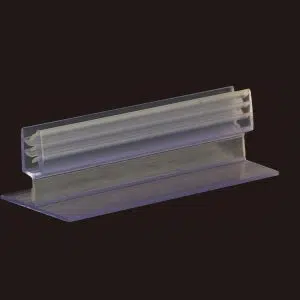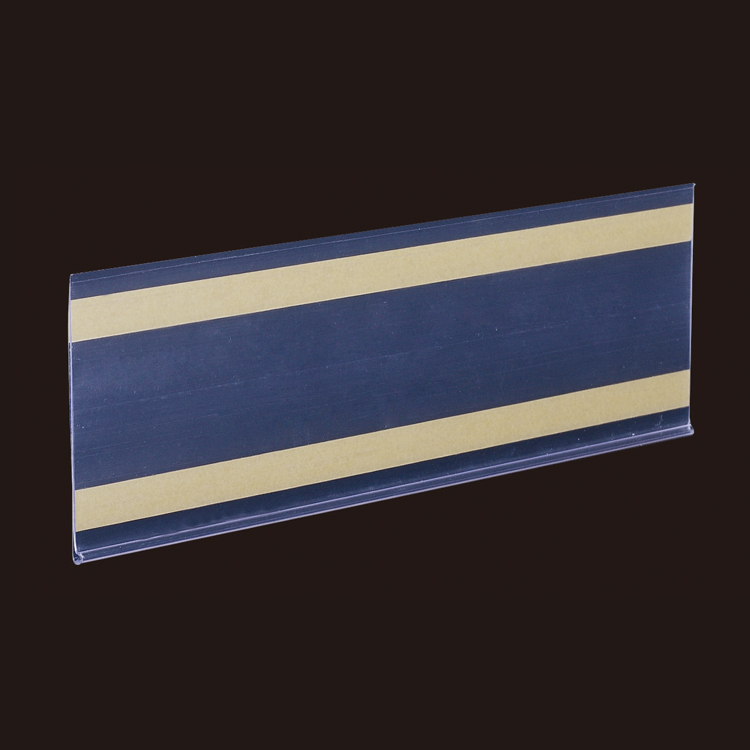

Not all pegboard hooks are the same. Think about someone trying to organize a busy workspace or store display. They look at a wall with many hook choices. They do not know which hooks will fit their pegboard or hold their tools safely. Stores sell many types, like standard peg hooks, basket peg hooks, double-arm hooks, and even custom-shaped or security hooks. This big selection can make organizing harder if people pick the wrong kind. Hook differences can change safety, stability, and how well things stay in place.
Key Takeaways
- Hooks are not one-size-fits-all: Choosing the correct hook for the specific tool or item is essential for both safety and organization.
- Match material to environment: Plastic hooks are ideal for damp areas and lightweight items because they resist rust. Metal hooks are necessary for holding heavy tools but may rust if not stainless steel.
- Ensure compatibility: The hook’s size and shape must match your pegboard’s hole pattern. A poor fit makes hooks unstable and increases the risk of accidents.
- Respect weight limits: Every hook has a maximum weight capacity. Overloading can cause the hook or the pegboard itself to break.
- Perform regular maintenance: Frequently inspect and clean your pegboard and hooks to maintain a safe, organized, and functional workspace.
Key Differences in Pegboard Hooks
Materials: Plastic vs Metal
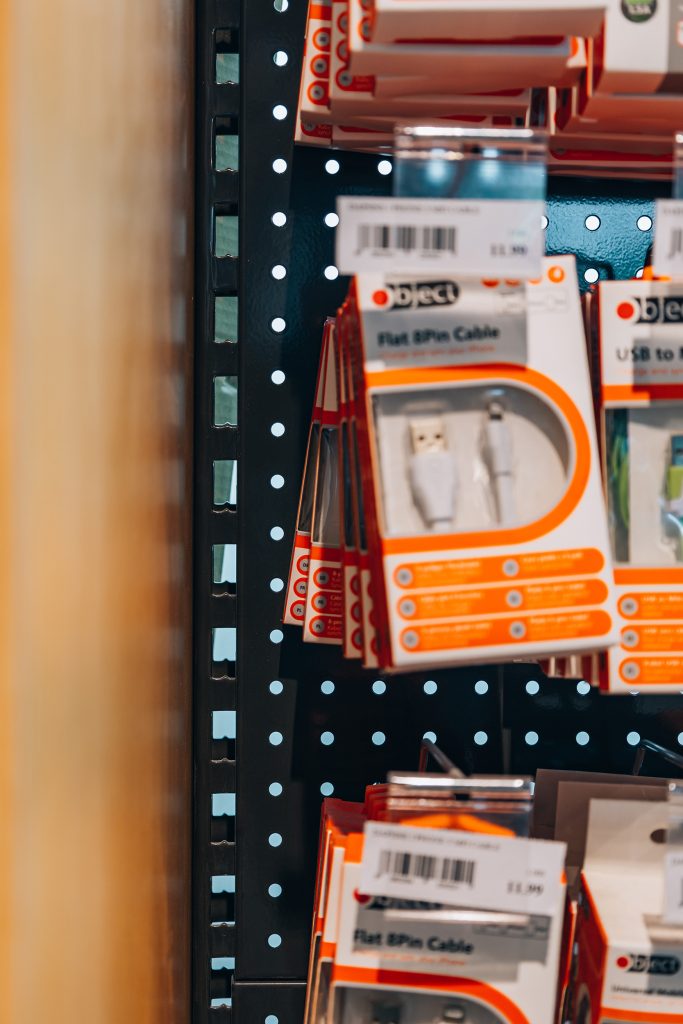
Pegboard hooks are made from plastic or metal. Each material works best in certain places. Plastic hooks, like IDMATE’s Plastic Display Hooks, are strong and do not rust. They are good for wet or harsh areas. These hooks are light and safe to use. Their smooth edges help prevent injuries. Metal hooks are usually made from mild steel. They can rust if they get wet. Stainless steel hooks resist rust but cost more money. Zinc-plated hooks protect against rust for a while, but the coating can wear off.
Tip: Plastic hooks are great for displays inside or outside. Metal hooks are good for heavy storage but must be chosen carefully for wet places.
- Plastic pegboard hooks:
- Light and simple to put up
- Do not rust and handle moisture well
- Safe for people to use
- Can be made in different colors and sizes
- Metal pegboard hooks:
- Strong and tough
- Can rust unless made from stainless steel
- Good for holding heavy things
Sizes and Shapes
Pegboard hooks come in many sizes and shapes. Some hooks are thin for light items. Others are thick for tools and big equipment. Shapes include straight, curved, multi-prong, and special designs. Each shape helps organize certain items and makes them easier to see.
| Type of Hook | Description | Applications |
|---|---|---|
| Straight Hooks | Used for many things and fit lots of products. | Stores, homes, and factories for showing items. |
| Curved Hooks | Hold things tightly and stop them from slipping. | Garages and shops for cables, hoses, and round tools. |
| Multi-prong Hooks | Hold many items at once and save space. | Warehouses and busy shops for storing lots of things. |
| Specialty Hooks | Made for special products or uses. | Stores for unique items like clothes and electronics. |
| Others | Special hooks like magnetic or hooks with lights. | Not used much now but may become popular as needs change. |
The shape of hooks changes how well they hold things. C-hooks are best for items with handles. J-hooks keep small things from slipping. Saddle hooks hold belts and scarves, making displays look neat.
Pegboard Compatibility
Pegboard compatibility depends on hole size and spacing. Most pegboards have holes that are 1/8-inch, 3/16-inch, or 1/4-inch wide. The hole size decides which hooks fit well. Thin hooks fit small holes. Thick hooks need bigger holes. Standard pegboards use 1/4-inch holes for heavy storage. Industrial pegboards may have 3/8-inch holes.
| Hole Size | Description |
|---|---|
| 1/8-inch | Best for small and delicate items. |
| 3/16-inch | Good for items that are not too heavy. |
| 1/4-inch | Great for heavy use and normal storage. |
- Pegboards with the wrong hooks can be unstable.
- Hooks that do not fit may shake or fall out.
- Matching hooks and holes keeps storage safe and prevents accidents.
IDMATE’s plastic display hooks come in many sizes and shapes. These hooks fit different pegboards, like slatwalls and gridwalls. Stores can pick hooks that match their brand and needs. Picking the right hooks helps keep things organized and safe.
Pegboard Hangers Design Features
Loop Hook Security and Stability
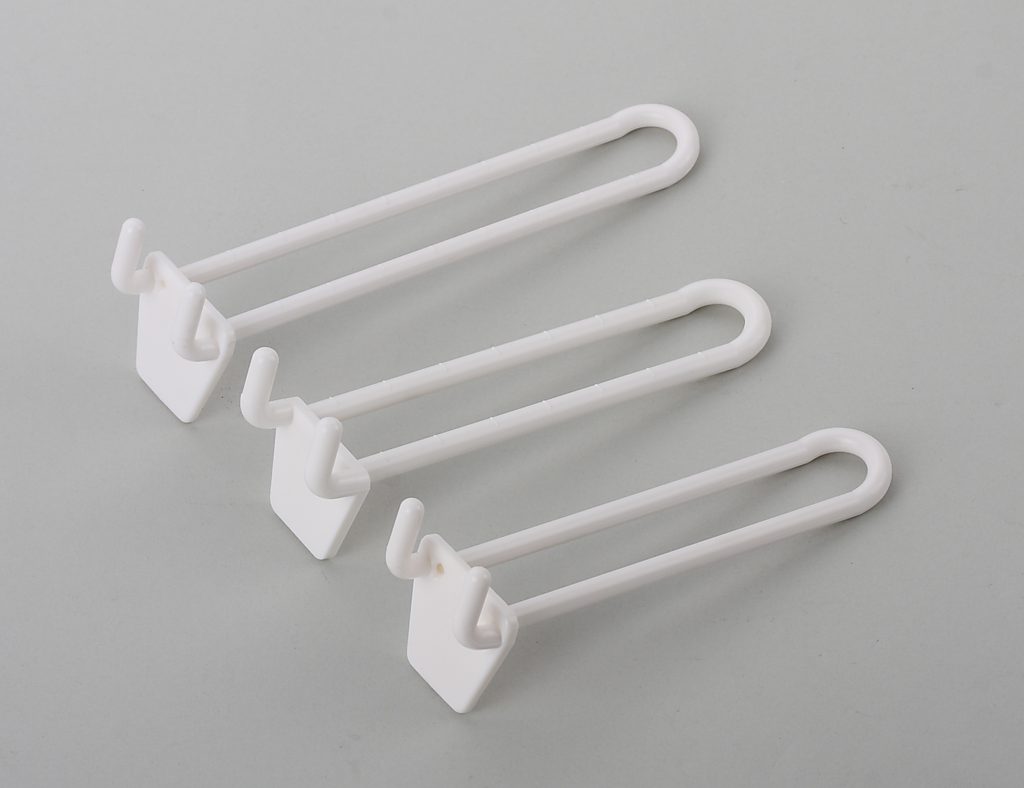
Loop hooks are made to be very secure. They have a loop shape that goes around the pegboard hole. This shape keeps items from falling off. It also stops hooks from dropping out. Stores use loop hooks for light and medium items. The loop lets people see products from all sides. Other hooks, like straight or U-bend, are not as safe. These can slip out more easily, especially with lighter things.
| Feature | Loop Hooks | Other Hook Designs |
|---|---|---|
| Design | Fully looped design | Straight or U-bend designs |
| Product Visibility | 360-degree visibility | Limited visibility |
| Security Against Dislodging | Secure loop prevents dislodging | Less secure, prone to dislodging |
| Ideal Weight Range | Lightweight to medium-weight items | Varies, often less secure for lighter items |
Loop hooks help stores keep displays tidy and safe. Staff can refill shelves without worrying about hooks falling off.
Single Stem Convenience for Goods
Single stem hooks are simple and easy to use. They have a straight shape that is quick to put in and move. Stores pick single stem hooks because they are flexible and cheap. Their light weight makes setup easier for workers. The smooth material keeps fragile items safe from scratches.
| Advantage | Description |
|---|---|
| Flexibility in product categorization | Supports organized displays, enhancing customer experience. |
| Scratch-free protection | Non-abrasive material suitable for delicate items like electronics and glassware. |
| Customizable design options | Offers various colors and shapes to match branding and store themes. |
| Lightweight and ergonomic design | Easy to handle and install, reducing physical strain on employees. |
| Cost-effectiveness | Lower material and labor costs compared to metal hooks, with fewer replacements needed. |
- Single stem hooks let people grab products fast.
- Users can change hook height to fit their needs.
- Stores can change displays as stock changes.
Single stem hooks keep products neat and easy to find. They help stores look clean and professional.
Why Hook Differences Matter
Weight Capacity & Durability
Pegboard users want their items safe and easy to reach. The hook type and material decide how much weight the pegboard can hold. Some hooks are strong enough for heavy tools. Others are better for lighter things. Metal hooks, like stainless steel or galvanized steel, are tough and hold more weight.
Some pegboard hooks can hold up to 68 pounds. Most hooks should only carry 15 to 20 pounds. Heavy-duty hooks can bend or crack the pegboard if too much weight is added. Some hooks have tangs that straighten out to stop damage before the board breaks. Other hooks may bend or break to protect the pegboard.
| Hook Type | Maximum Load Capacity | Notes |
|---|---|---|
| Type #7 | 68 lbs | Strongest tested; panel may bow under heavy load |
| General | >40 lbs | Few hooks designed for heavy loads; most support 15-20 lbs |
| Type #3/11 | N/A | Limit wire diameter to prevent damage |
| Type #8 | N/A | Designed to break before damaging panels |
Note: Always check the weight rating for each hook. Do not overload hooks. This keeps the pegboard and items safe.
Fit and Security
Good fit keeps items safe and stops accidents. Hooks that do not fit the holes can get loose or fall out. This can make tools or products drop and cause injury or damage. Pegboards with the right hooks stay neat and safe.
Problems from bad fit include:
- Items falling off and causing safety risks.
- Messy displays that make tools hard to find.
- Hooks pulling out and damaging the pegboard or items.
To keep things safe, users should:
- Pick hooks that match the pegboard hole size and spacing.
- Check hooks often to make sure they stay tight.
- Do not use hooks that are too thick or thin for the board.
A pegboard with well-fitted hooks helps keep things organized and safe. When hooks fit right, items stay in place and the workspace looks tidy. This lowers the chance of accidents and makes tools easy to find.
Choosing Pegboard Hooks
Assess Your Pegboard Type
Start by figuring out what kind of pegboard you have. Each pegboard material works best in certain places. The table below shows the main types and where they are used:
| Type of Pegboard | Description | Common Use |
|---|---|---|
| Wooden Pegboards | Strong and classic, but not for heavy things | Craft rooms and kitchens |
| Plastic Pegboards | Thin and easy to hang, fits small spaces | Home offices |
| Perforated Hardboard | Light and cheap, good for light tools | Workshops and garages |
| Metal Pegboards | Tough and holds heavy tools, looks modern | Garages and pro workshops |
| Acrylic Pegboards | Stylish, can be changed, very light | Kitchens and small spaces |
| Masonite Pegboard | Made from pressed wood fiber, for general storage | General storage |
Measure the hole size and how far apart the holes are. Most pegboards have holes that are 1/8-inch or 1/4-inch wide. Checking these things helps hooks fit right and not fall out.
Match Hooks to Storage Needs
Pick hooks that fit what you want to hang. This makes things safer and easier to find. Make a list of each item you want to put on the pegboard. Write down how much it weighs and its shape. The chart below shows how much weight different hooks can hold:
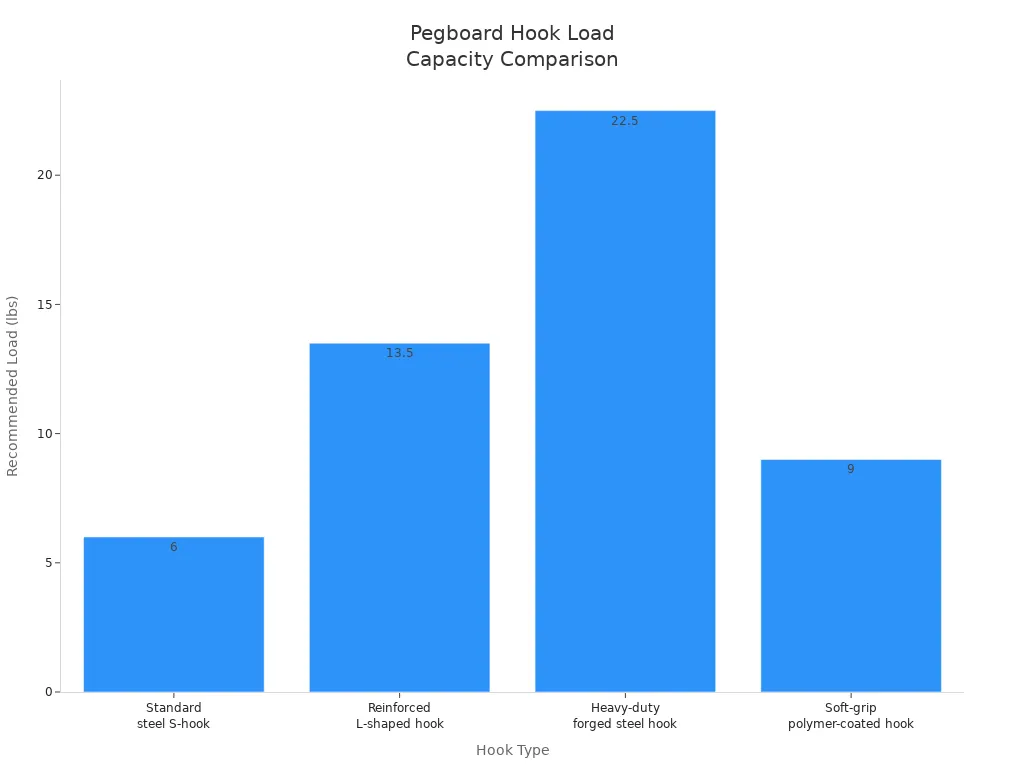
The right hook keeps tools safe and easy to grab. Heavy-duty hooks are good for power tools. Small hooks work for craft items. IDMATE has plastic display hooks in many sizes and shapes. These hooks work for stores and homes. You can change your display as your needs change.
Tip: Pick hooks that do not spin for better safety. Check hooks often and replace any that are broken.
Avoid Common Mistakes
Many problems happen when people use the wrong hooks or install them badly. One mistake is not thinking about the pegboard material or where it is. For example, zinc-plated steel hooks can rust in kitchens.
Other mistakes are not making the pegboard level, putting too much weight on hooks, or not attaching the board to wall studs. Good installation means using the right anchors and leaving space between hooks. Check hooks often and clean the board to keep it safe and working well.
Pegboard hooks can be used in many ways, but only if you match them to the board and items. Planning and installing things the right way helps you stay organized and avoid problems.
Not all pegboard hooks are alike, and this is important for safety and keeping things neat. Pegboards help people put tools where they want. You can move things around as you need more space. They are a cheap way to keep rooms clean and easy to use.
- Pegboards stop messes and help keep people safe.
- Special hooks and add-ons make organizing easy and fun.
- Good brands make hooks that last longer and work well.
| Key Feature | Benefit |
|---|---|
| Material Strength | Stays strong and holds heavier things |
| Corrosion Resistance | Works great in wet or damp places |
| Design Considerations | Makes displays safer and simple to use |
Cleaning and checking hooks often keeps pegboards safe and nice.
- Wipe your pegboard every week.
- Move things around each month to fit your needs.
- Look at hooks often and swap out any that are broken.
FAQ
What is a wall control pegboard?
A wall control pegboard is a metal panel system with holes and slots. People use it to organize tools, crafts, or store items. It works in garages, kitchens, and offices. Many choose a wall control pegboard for its strength and easy setup.
Can plastic hooks fit on a wall control pegboard?
Plastic hooks can fit on a wall control pegboard if they match the hole size and spacing. IDMATE plastic display hooks offer options for different pegboards. Always check the hook and wall control pegboard compatibility before buying.
How do you install a wall control pegboard?
To install a wall control pegboard, first find wall studs. Mark the spots, then use screws to attach the panel. Make sure the wall control pegboard is level. After mounting, add hooks and accessories for storage.
Why do people choose a wall control pegboard over other types?
People pick a wall control pegboard because it is strong and holds heavy items. It resists rust and lasts a long time. The wall control pegboard also looks modern and fits many spaces, like workshops and kitchens.
What accessories work with a wall control pegboard?
Many accessories work with a wall control pegboard. These include plastic display hooks, baskets, shelves, and bins. Users can mix and match to organize tools, crafts, or office supplies. The wall control pegboard gives many options for neat storage.