Many people want to hang things on their walls using adhesive hooks but don’t want to damage the paint. Some adhesive hooks can do just that. Brands like Command, ZESLMG, and IDmate offer plastic display hooks that help prevent paint peeling or damage. Hooks labeled “paint-safe” or “damage-free” are best for this purpose. When using these brackets, be sure to follow the installation and removal instructions. This will help keep your wall paint looking like new.
Key Takeaways
- Choose adhesive hooks labeled “paint-safe” or “damage-free” to protect your walls. – Make sure to clean and dry the wall surface before installing the hooks. This helps the hooks adhere better. – Check the weight limit of each hook to avoid damaging the paint. – Remove adhesive hooks using the pull tab method. This is both convenient and clean. – It’s recommended to test the hooks in an inconspicuous area first. This helps you see if they will damage the paint.
Adhesive Hook Features
If you want to hang things on painted walls, you should understand which features protect your paint. Some hooks are better suited for this purpose than others.
Residue-Free Removal
Nobody likes sticky residue or peeling paint. Good adhesive hooks can be removed cleanly, leaving your walls as they were. Command hooks use special technology. You simply pull the tab, and the hook comes off easily without leaving a trace. Dr. Linda Park of 3M says:
“Command technology is designed for both good adhesion and easy removal. This is thanks to materials science.”
Tests show that Command hooks can be removed cleanly if the peel and stretch method is used. Damage-free hooks are also effective, but sometimes their adhesive can fail quickly.
Adhesive Hooks Weight Limits
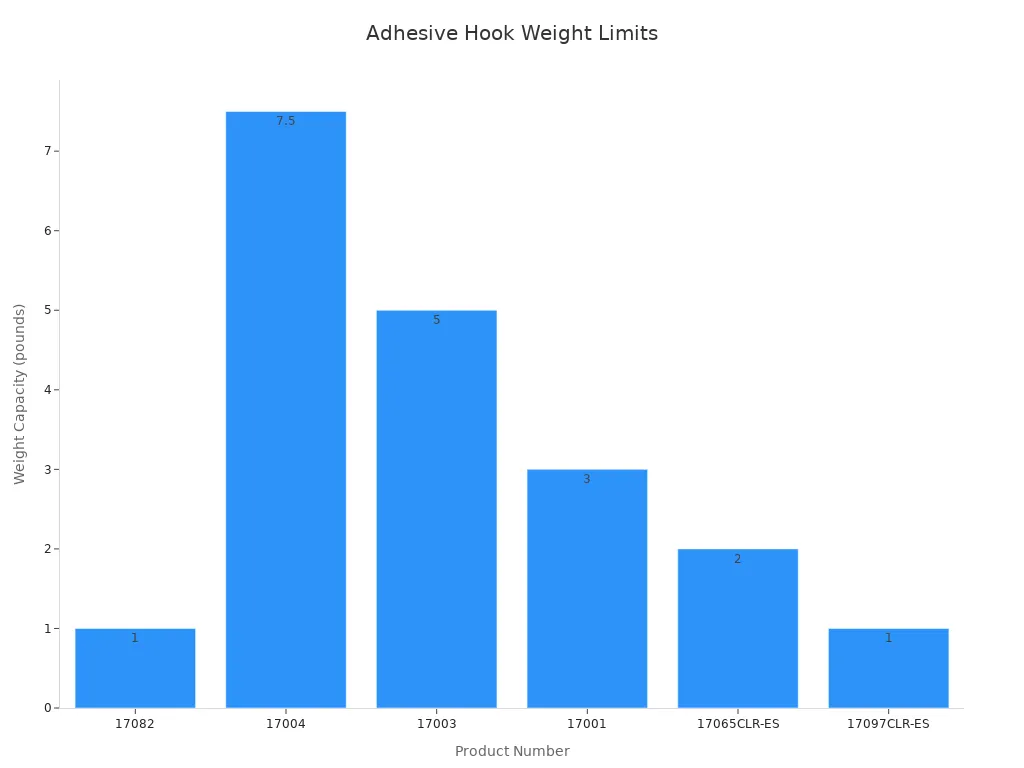
Each hook can only hold a certain weight. If you hang something too heavy, your paint may be damaged. Most adhesive hooks for painted walls have a weight capacity ranging from 1 to 7.5 pounds. The following is a chart:
| Product Number | Weight Capacity |
|---|---|
| 17082 | 1 lb |
| 17004 | 7.5 lbs |
| 17003 | 5 lbs |
| 17001 | 3 lbs |
| 17065CLR-ES | 2 lbs |
| 17097CLR-ES | 1 lb |
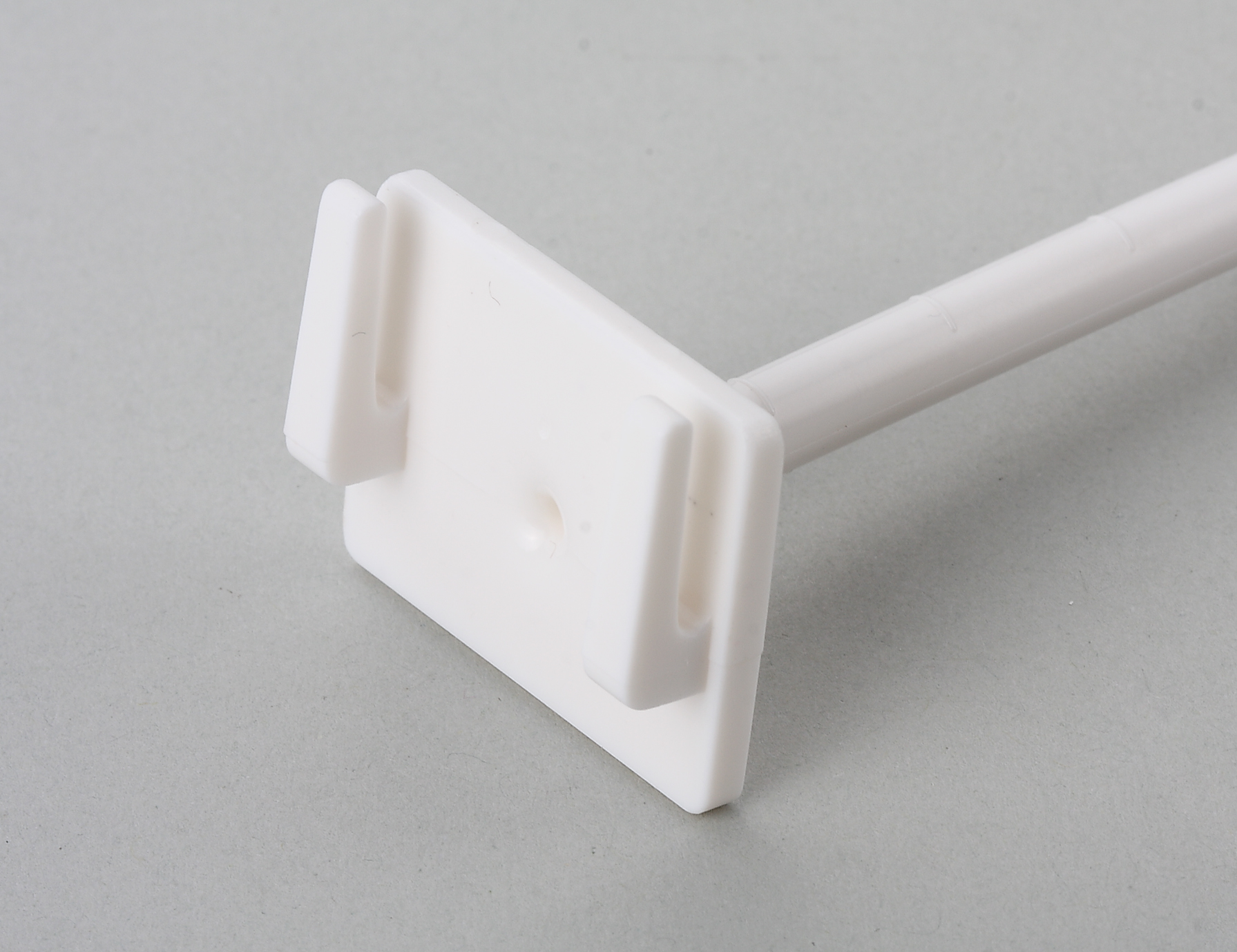
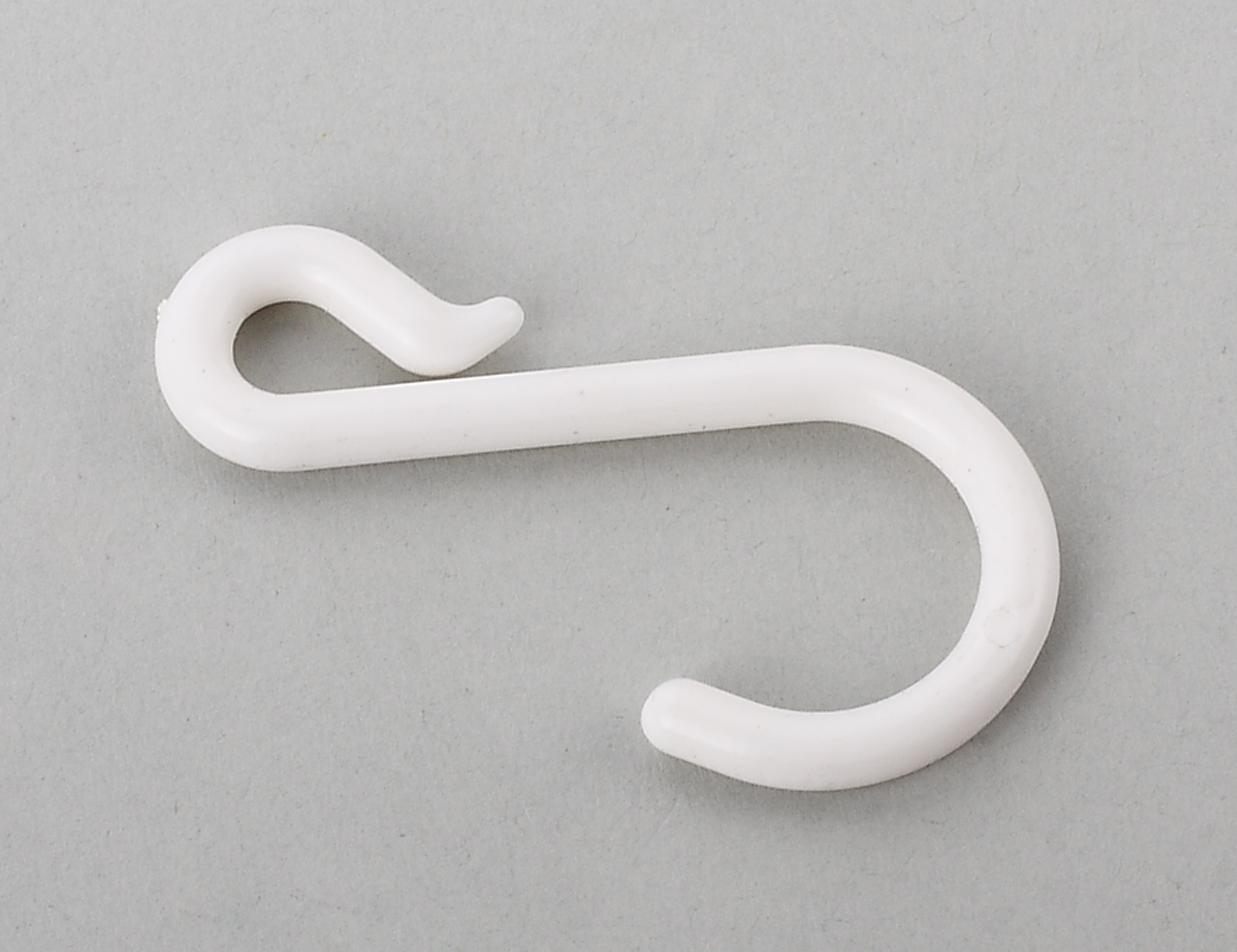
IDmate hooks are made of sturdy plastic with smooth edges. This makes them safe and reliable for everyday use. They won’t rust, and you can change their appearance as needed.
Adhesive Hooks Surface Compatibility
Some hooks are not suitable for all wall surfaces. The best adhesive hooks work on painted walls, tiles, glass, and wood. IDmate, Command, and ZESLMG all produce hooks suitable for multiple surfaces. IDmate’s plastic hooks are gentle on surfaces and won’t scratch walls or rust. They are ideal for painted walls.
Adhesive Hooks Adhesive Technology
New adhesive technology helps protect wall paint. These hooks are easy to apply and can be removed with a gentle pull, without the need for any tools. Some hooks use Velcro for added strength. IDmate hooks use a strong adhesive and sturdy plastic material. They hold securely to the wall but can be easily and cleanly removed when needed.
| Feature | Description |
|---|---|
| Installation | Easy to install, no tools required |
| Weight Capacity | Strong enough to hold most household items |
| Removal | Easily removed by pulling the tab, without damaging wall paint |
| Advantages | No drilling required, leaves no marks, keeps walls looking beautiful |
Choosing the right adhesive hooks can help you organize your room while protecting your wall paint.
Recommended Adhesive Hooks
Choosing the right adhesive hooks is crucial for protecting your painted walls. Some brands stand out because they protect the paint, provide a strong hold, and can be removed without leaving a trace. Here are some popular options and what makes them unique.
Command Adhesive Hooks
Command adhesive hooks are a top choice for many households. People love them because they work on most smooth surfaces and require no tools. Simply stick them on, and remove them by pulling the tab. They are perfect for hanging keys, small picture frames, or decorations.
Here are the pros and cons of Command adhesive hooks:
| Advantages | Disadvantages |
|---|---|
| Works on a variety of smooth surfaces | Can only hold a certain weight |
| Easy to use, no tools required | Requires new adhesive strips for reuse |
| Suitable for lightweight items | May sometimes leave residue or damage paint |
| Easy removal by pulling the tab | May fail in humid or cold environments |
Tip: Always follow the installation and removal instructions for Command adhesive hooks. This will help protect your wall paint.
ZESLMG Adhesive Hooks
ZESLMG adhesive hooks are another popular option. They are known for being able to hold heavier items and performing well on smooth, non-porous surfaces. Some people use them to hang kitchen utensils or bathroom items.
- ZESLMG hooks perform well on glass, tile, and other smooth walls.
- They can hold more weight than some other brands.
- Their adhesive strength may not be as strong on painted walls as on other surfaces.
- If removed too quickly, they may leave sticky residue or peel off paint.
- Using a stretch-release method helps protect your walls.
Note: Patience is key. Be patient when removing ZESLMG hooks to avoid damaging the paint.
IDmate Display Hooks
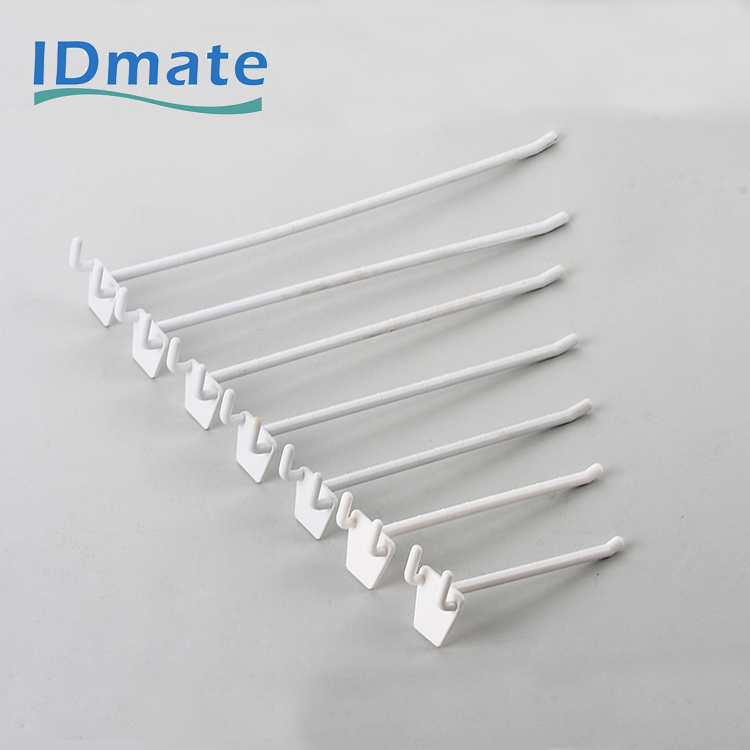
IDmate display hooks are known for their superior quality and versatility. These hooks are made of high-quality plastic that won’t rust or scratch. They come in a variety of shapes and sizes, so you can find the perfect style for your needs. IDmate hooks perform well on painted walls and other surfaces.
Here’s why many people choose IDmate:
- Made of strong and durable plastic with smooth edges.
- Will not corrode, so they always look brand new. Available in various styles, suitable for pegboards, slatwalls, and more.
- Competitive pricing makes them a smart choice for homes and shops.
- Trusted by customers in over 30 countries. Customization options allow you to match your brand or decor style.
IDmate hooks give you peace of mind. They secure items while protecting your wall paint.
Other Paint-Safe Brands
Besides well-known brands, other brands also produce paint-safe adhesive hooks. Look for hooks labeled “no residue” or “paint-safe.” Some brands use special adhesives that can be easily removed without leaving a trace. Always check weight limits and applicable surface types before purchasing.
- High-quality hooks use stretchable adhesives for easy removal.
- Lower-priced hooks may leave residue or damage paint.
- Reading reviews and following instructions will help you choose the best product.
Remember: Not all adhesive hooks are created equal. Choose wisely to keep your walls looking beautiful.
Using Adhesive Hooks Safely
Wall Preparation
First, the wall must be clean. Dust and grease will affect the hook’s adhesion. Wiping with a damp cloth is the best way to remove dirt. After cleaning, the wall needs to be completely dry. A damp wall or wet paint will weaken the adhesive’s grip. If the wall feels cool or damp, wait a few more minutes.
Application Steps
Anyone can achieve the best results by following these simple steps:
- Clean and dry the wall surface.
- Peel off the protective film from the back of the adhesive hook.
- Press the hook firmly against the wall for about 30 seconds. This helps remove air bubbles and ensures a stronger bond.
- Wait one hour before hanging items. This allows the adhesive to fully cure.
- Hang items gently, avoiding sudden pulling.
Tip: Pressing the hook firmly helps it stay in place and protects your wall paint.
Adhesive Hooks Removal Tips
Proper removal of adhesive hooks can keep your wall paint intact. You can use a hairdryer to heat the adhesive for one to two minutes. This softens the glue, making removal easier. A plastic scraper or an old credit card is a good tool for lifting the hook. Pulling the adhesive strip vertically downwards, rather than outwards, helps prevent paint peeling. After removing the hook, any remaining adhesive residue can be wiped away with rubbing alcohol.
- Never use metal tools or sharp objects. These can scratch or damage the wall.
Paint Protection Advice
Always check the weight limit of the hook before hanging anything. Overloading can cause the hook to detach and damage the paint. Following the instructions on the packaging helps avoid mistakes. If unsure, test the hook in an inconspicuous area first to ensure safety. Using wall-safe adhesive hooks, double-sided tape, or mounting putty can also help protect painted surfaces.
Note: Patience and gentle handling will keep your walls in optimal condition.
Mistakes to Avoid
Everyone wants their walls to remain smooth and clean. However, some common mistakes when using adhesive hooks can lead to paint damage. Understanding which mistakes to avoid helps maintain the fresh look of your walls.
Overloading Hooks
Many people try to hang heavy objects on small hooks. This often results in the hook detaching and the paint peeling. Every hook has a weight limit. Ignoring this can cause the hook to fail to support the weight, and the wall may be damaged. Always check the weight rating on the packaging. For example, some hooks can only hold one pound, while others can hold up to seven pounds. Adhering to these limits protects both the hook and the paint.
Poor Surface Prep
Dirty or damp walls can compromise the adhesive’s bond. Dust, grease, and even off-gassing from new paint can prevent the hook from adhering securely. If the wall is not properly prepared, the following may occur:
| Issue | Explanation |
|---|---|
| Poor adhesion | Dust and dirt prevent the adhesive from bonding correctly to the wall. |
| Detachment | The adhesive hook may not hold securely, leading to detachment or falling off the wall. |
| Damaged Wallpaper/Paint | Removing adhesive hooks can tear wallpaper from the wall, causing damage. |
| Volatile Compounds from New Paint | Newly painted walls emit volatile compounds that can affect the adhesive’s bonding strength, leading to bubbling. |
To avoid these problems, be sure to clean the wall with rubbing alcohol and let it dry. Never use hooks on walls that have been painted less than a week ago.
Fast Removal Adhesive Hooks
Removing hooks too quickly can cause paint to peel or leave sticky residue. The best method is to pull the hook straight down, not outwards. Heating the adhesive with a hairdryer can make removal easier. Patience is key – slow and steady removal protects the wall paint.
Wrong Hook Choice
Not all hooks are suitable for painted walls. Using hooks not designed for painted surfaces can lead to paint peeling, sticky residue, or even tearing the drywall paper. Be sure to choose hooks labeled “suitable for painted walls” or “damage-free.” Testing the hook in an inconspicuous area first can prevent unexpected problems.
Tip: Follow the manufacturer’s instructions and let the hook sit for about an hour before hanging anything. This simple step helps prevent most problems.
By avoiding these mistakes, you can have neat and organized walls without worrying about paint damage.
Choosing adhesive hooks suitable for painted walls, such as Command™, ZESLMG, and IDmate, helps maintain the beauty of your walls. Experts recommend using painter’s tape before installing the hooks. This prevents the adhesive from sticking to the wall. They also recommend cleaning the wall with rubbing alcohol first. Test the adhesive in an inconspicuous area to ensure it works. Be sure to read the product instructions. Let the adhesive sit for an hour before hanging anything. If the hook is removed too quickly, the paint may peel or leave marks.
| Common Issues | Description |
|---|---|
| Peeling paint | Paint peels off when removing the hook. |
| Stubborn residue | Sticky residue is left behind after removing the hook. |
| Marks | Light marks appear under certain lighting conditions. |
Choosing the right hooks and handling them gently can keep painted walls looking beautiful all year round.
FAQ
Which adhesive hooks are best for painted walls?
IDmate, Command, and ZESLMG hooks are all paint-friendly. They use special adhesives that can be removed cleanly. Look for labels that say “suitable for painted walls” or “damage-free.”
Can adhesive hooks be reused after removal?
Most adhesive hooks lose their stickiness after removal. Some brands offer replacement adhesive strips. Check the packaging for reuse instructions.
How much weight can adhesive hooks for painted walls hold?
Weight limits vary by brand and model. Many hooks have a weight capacity between 1 and 7.5 pounds. Always check the product label before hanging anything heavy. Tip: Hanging items lighter than the hook’s weight limit can protect the paint finish.
Will adhesive hooks leave marks or residue?
High-quality hooks like IDmate and Command can usually be removed easily without leaving marks. Lower-quality hooks may leave sticky stains. It’s recommended to test in an inconspicuous area first to avoid unnecessary problems.
| Brand | Residue-Free Removal |
|---|---|
| IDmate | ✅ |
| Command | ✅ |
| ZESLMG | ✅ |