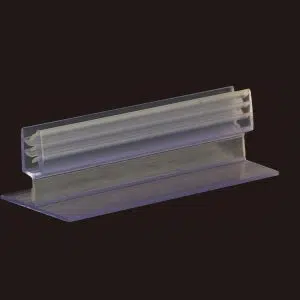
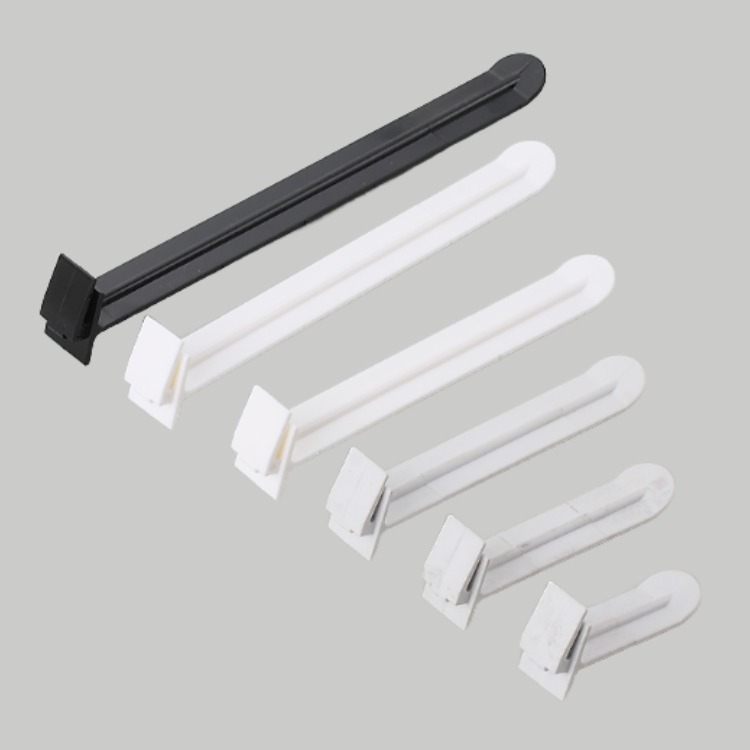
Retail hooks serve two main purposes. They attract customer attention and act as a tool for displaying merchandise in stores. Retailers use retail hooks to make products easier to see and access. This makes the shopping experience more convenient for everyone.
- Customers can find products more easily and shop with less effort.
- Stores look more aesthetically pleasing and feel more comfortable.
- Efficient use of space helps customers quickly find products.
- Clever layouts guide customers from one product to another.
Understanding retail hooks is beneficial for both store owners and customers.
Key Takeaways
- Retail hooks attract customers’ attention and help them see products. They also allow customers to easily access the products they want. Using retail hooks helps stores stay organized. This makes shopping easier and more enjoyable. Different retail hooks are suitable for different purposes. Some are for hanging lightweight items, while others are for heavier items. Retail hooks can encourage customers to buy items they didn’t originally plan to purchase. This happens when products are placed in prominent locations. Choosing the right retail hooks can enhance the overall image of the store. It also helps customers have a better shopping experience.
Retail Hook Basics
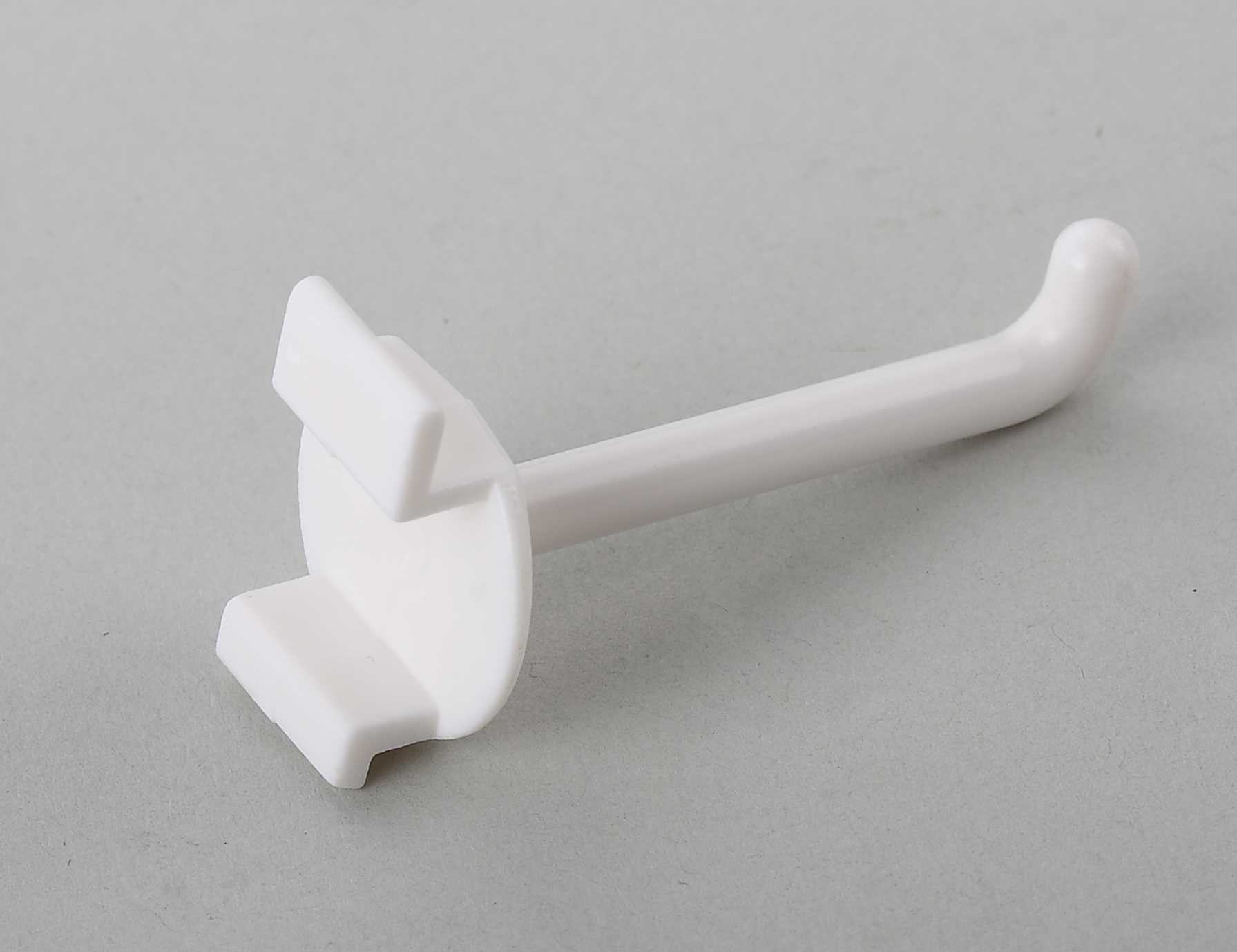
Definition and Purpose
Retail hooks allow stores to effectively utilize wall and shelf space. They place products in easily visible locations for customers. This makes it easier for customers to notice products and be tempted to buy them. Store employees can quickly move hooks to display new or seasonal products.
Here are the main functions of retail hooks in stores:
- Utilizing wall and shelf space to display products.
- Making products easy to view and promoting impulse purchases.
- Enabling stores to quickly change product displays and layouts.
Common Types
Retailers can choose from various types of retail hooks based on their needs. Each type helps display products and keep shelves organized. The most common types include pegboard hooks, slatwall hooks, wall-mounted hooks, and specialty hooks.
| Type of Display | Description |
|---|---|
| Pegboard Hooks | Used to hang merchandise on pegboards, making it easy for customers to access. |
| Slatwall Hooks | Installed on slatwalls, allowing for the suspension of various goods. |
| Wall-Mounted Hooks | Installed on walls for easy repositioning. |
| Shelf Brackets | Support shelves and bear the weight of heavier items. |
| Faceouts | Display products facing outwards for easy customer viewing. |
| Waterfalls | Arrange merchandise in a tiered fashion. |
| Baskets and Bins | Used for storing loose or bulky items. |
| Displays, Trays, Holders | Display products and provide relevant information. |
Retail hooks are made of metal or plastic. Metal hooks are strong and durable, suitable for hanging heavy items. Plastic hooks are more flexible and suitable for lighter items. Stores use these hooks in supermarkets, small shops, and specialty stores. Retail hooks help keep merchandise displays neat and organized and stimulate customer purchasing desires.
Why Retail Hooks Matter
Impact on Merchandising
Retail hooks help stores display and organize merchandise. Staff use them to arrange products and attract customer attention. This makes shopping more convenient. Stores can use retail hooks to group products by color, size, or type. Customers can find what they want faster.
Experts say that placing products at eye level makes them more likely to attract customer attention. Stores use hooks to place popular items where customers will see them first. Changing merchandise displays using hooks keeps things fresh and interesting. Customers remain engaged when merchandise displays change frequently.
Here’s how retail hooks help with merchandise display:
| Merchandising Benefit | Description |
|---|---|
| Product Arrangement | Hooks allow stores to create neat arrangements and various display options. |
| Color Sorting | Grouping by color helps products stand out and allows customers to make choices more quickly. |
| Eye-Level Placement | Products placed at eye level are easier to see and pick up. |
| Rotating Displays | Movable hooks keep product displays fresh and appealing. |
| Customer Behavior Data | Stores observe which hooks attract customer attention and adjust product displays as needed. |
Influence on Customer Behavior
Retail hooks do more than just hang merchandise. They change how and what people buy. Products displayed on hooks are easy to see and grab. This makes impulse purchases more likely.
- Customers spend an average of about $151 per month on impulse purchases. Displays with hooks trigger buying desires.
- Stores use hooks to display promotional and discounted items. This encourages customers to buy items they didn’t originally plan to purchase.
- Hooks near the checkout counter or in high-traffic aisles are more likely to lead to impulse buys.
Nearly 93% of customers buy at least one extra item because of point-of-sale displays. Endcap displays with hooks can increase food sales by 13% and beauty product sales by 28%. Stores get nearly five dollars back for every dollar invested in these displays.
Competitive Advantage for Stores
Stores that effectively use retail hooks stand out. They make better use of space, keep aisles clear, and create a more pleasant shopping experience. Retail hooks allow stores to quickly change displays when new products arrive or seasons change.
| Competitive Advantage | How It Helps Stores |
|---|---|
| Efficient use of vertical space | Hooks utilize walls and panels to display more merchandise than just shelves. |
| Increased visibility | Products face the customer, making them easy to see at a glance. |
| Flexibility | Staff can move hooks to accommodate new products or quickly change displays. |
| Impulse purchase opportunities | Hooks near the checkout counter can encourage impulse purchases. |
| Reduced floor clutter | Provides more space for customers to walk and browse. |
| Scalability | Stores can easily add more hooks as their product line grows. |
| Stronger brand image | Custom hooks and fixtures match the store’s colors and style. |
| Sustained revenue growth | Better displays mean consistent sales and satisfied customers. |
Retail hooks are more than just a tool. They help stores increase sales, guide customer choices, and stay ahead in a competitive market.
How Retail Hooks Work
Practical Mechanisms
Retail hooks help stores display merchandise in a simple way. They keep products in place, making shelves look neat and organized. Staff use retail hooks to position products in prominent locations. This helps stores showcase new and popular items. Some hooks have special features to protect merchandise.
| Feature | Description |
|---|---|
| Locking Mechanism | Prevents theft or unauthorized movement of merchandise. |
| Premium Construction | Sturdy hooks are more durable and can support heavy items. |
| OneKEY Security | Allows staff to quickly and easily remove merchandise. |
| Swivel-lock Design | Convenient and quick access to items while ensuring security. |
| Compatibility | Convenient and quick access to items while ensuring security. |
| Requires Staff Assistance | Staff will unlock the hooks for customers to enhance security. |
Retail hooks do more than just keep merchandise organized. They also influence how people shop. When stores display merchandise in high-traffic areas, people are more likely to notice the items. This can lead to impulse purchases.
Psychological Triggers
Retail hooks do more than just keep merchandise tidy. They also influence how people shop. When stores place products on hooks in high-traffic areas, people are more likely to notice them. This can lead to impulse purchases.
- Retail hooks allow people to see products as they walk by.
- Eye-catching displays can stimulate customers’ desire to buy.
- Special promotions or countdowns on the hooks encourage quick purchases.
| Psychological Trigger | Description |
|---|---|
| Scarcity and Urgency | Displaying limited quantities of products encourages quick purchases. |
| Social Proof | Showcasing other customers’ preferences builds trust and promotes purchases. |
| Sensory Marketing | Allowing people to see and touch products makes the shopping experience more enjoyable. |
Retail hooks help stores attract customers’ attention and guide them to products. They make shopping more convenient and enjoyable. Stores that effectively utilize retail hooks can increase sales and improve customer satisfaction.
Real-World Retail Hook Examples
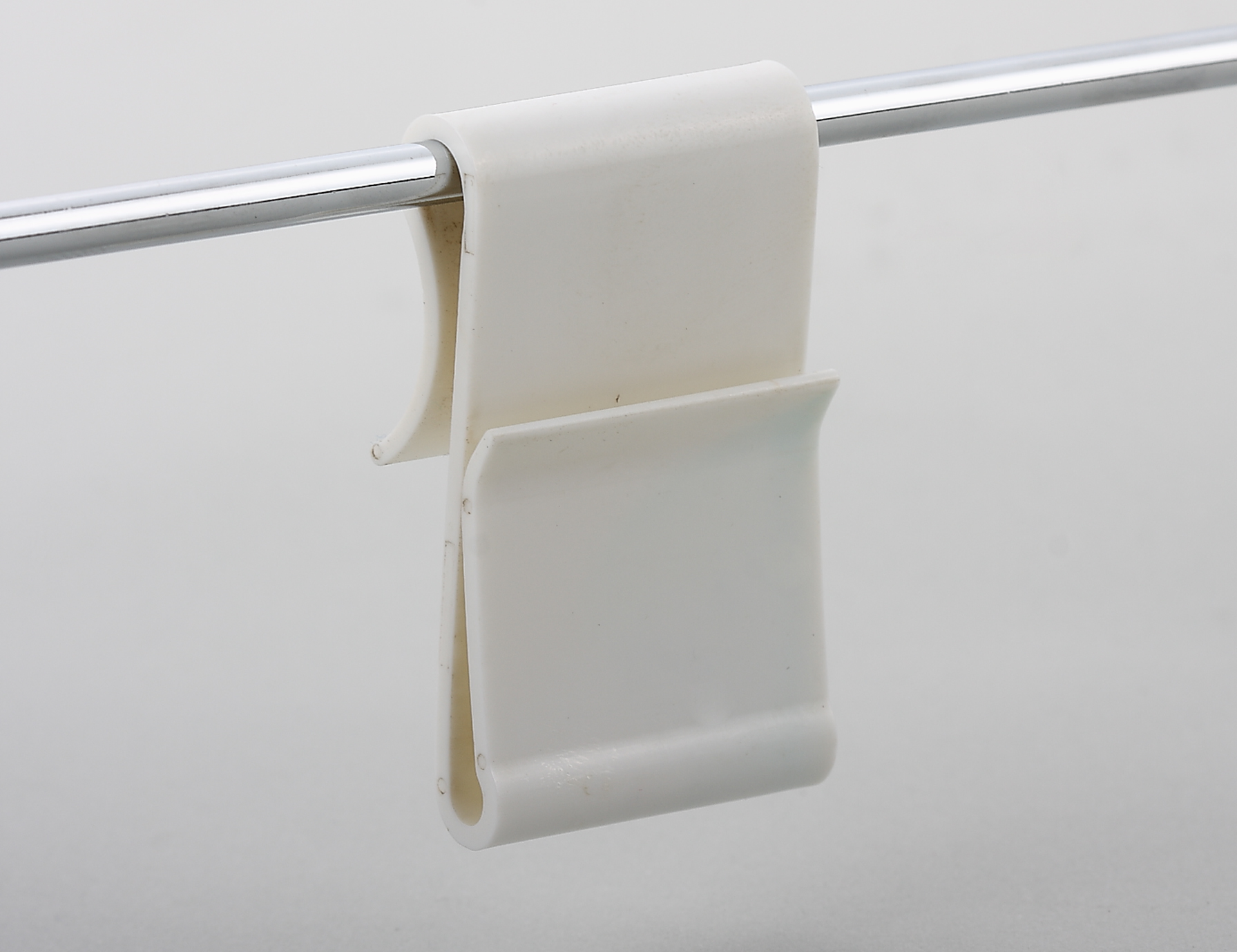
In-Store Displays
Supermarkets, convenience stores, and specialty stores all use retail hooks. These stores want to make shopping easy and enjoyable for everyone. They choose different hooks based on the products and store layout.
- Supermarkets use pegboard hooks to display snacks and batteries. They also use these hooks to hang small kitchen items. This keeps things tidy and makes it easy for customers to access the products.
- Convenience stores use slatwall hooks for quick and easy product changes. Store employees can move these hooks to display new or promotional items.
- Specialty stores require special display methods. They use plastic hanger hooks to hang lightweight merchandise. Plastic J-hooks and flat J-hooks securely hold products without damaging the packaging. Question mark-shaped hooks are suitable for hanging irregularly shaped items. These hooks help keep products straight and looking neat and tidy.
Specialty stores choose the most suitable hooks for each product. This helps them attract loyal customers and increase sales.
Security and Specialty Hooks
Stores face problems such as theft and product loss. Security hooks and specialty hooks help address these issues. They also maintain the aesthetic appeal of the display. Stores can choose from a variety of hooks to protect merchandise and provide convenience for customers.
| Hook Types | Features |
|---|---|
| Security Hooks | Prevents theft; requires a key to remove.Stops theft; needs a key to take off. |
| Locking Peg and Scan Hooks | Equipped with screws; requires a key to remove merchandise. |
| Anti-theft Locks | Requires a magnetic tool to remove. |
| Anti-theft Hooks | Bent metal wires prevent customers from taking too many items at once. |
Some security hooks emit a sound when someone takes too many items. This alerts staff immediately. Sturdy fixtures and protective covers prevent people from quickly cutting or stealing merchandise. The simple design allows customers to take only one item at a time. This helps stores reduce inventory losses.
Stores also use hardware hooks, universal hooks, shelf post hooks, J-hooks, waterfall hooks, and knife racks. Each type of hook is suitable for different products and display methods. Companies like IDmate can help stores find the right hooks to meet various needs. They manufacture hooks that adapt to store layouts, products, and security regulations.
Good retail hooks ensure that merchandise is displayed safely and orderly, making it easy for customers to access. This smart strategy helps stores succeed in a competitive environment.
Retail Hook Selection and Use
Tips for Retailers
Retailers can increase sales by choosing the right retail hooks. They should select hooks that are appropriate for the size and weight of each product. Heavy items require sturdy double-pronged hooks. Lightweight goods are best suited for slender single-pronged hooks. Store owners should place hooks at eye level. This helps customers see and access the products.
A neat display makes customers feel welcome. Retailers should arrange shelves to guide customers smoothly through the store. Movable shelving allows for easy changes to displays based on different seasons or promotions. Good lighting in specific areas helps customers notice important products.
Here are the key factors to consider when choosing retail hooks:
| Criteria | Description |
|---|---|
| Product Weight and Size | Choose hooks that match the weight and dimensions of the product. |
| Product Placement and Accessibility | Place hooks in locations where customers can easily see and access the products. |
| Materials and Finishes | Select hooks that are aesthetically pleasing and durable. |
| Store Layout and Brand Style | Use hooks that match the store’s appearance and layout. |
| Cost-Benefit Analysis | Ensure the price offers good value. |
Retailers should buy good quality hooks. Strong hooks last longer and keep displays safe. Good hooks show shoppers that the store cares about them. Suppliers like IDmate give strong support, fast shipping, and custom hooks for every store.
What Shoppers Should Notice
Customers can judge whether a store is effectively using retail hooks by observing how products are displayed. Grouping products together makes shopping more convenient. When similar items are placed together, it’s easier to find what you need. Hooks placed at eye level indicate that the store wants you to see and buy these products.
| Product Category | Recommended Hook Type | Key Considerations |
|---|---|---|
| Lightweight items | Slim single-prong hooks | Space-saving and easy to access |
| Heavy or bulky | Double-prong reinforced hooks | Stronger load-bearing capacity and safer |
| General placement | Hooks at eye level | Easy to View, Helps with Sales |
Customers should look for neat displays and products facing forward. Stores often place high-margin items at eye level to increase sales. If pasta is placed next to pasta sauce, people are more likely to buy both items. Well-placed hooks and displays make shopping quicker and more enjoyable.
Retail hooks help stores display products to customers. Good design and hardware keep displays neat and organized. Stores that choose the right hooks make products easier to see. This also helps keep the space tidy and increases sales. Customers have a better shopping experience in such stores. The new trend is using eco-friendly materials and smart layouts. Stores that use retail hooks can stand out and grow rapidly.
When shopping, pay attention to how the hooks on the shelves secure the products and how they influence your choices.
| Benefit | Description |
|---|---|
| Enhanced Visibility | Products are more prominent, attracting customer attention. |
| Optimized Space | Stores can make full use of space, resulting in a neater and more organized product display. |
| Increased Sales | The display method encourages customers to buy more products and return to the store. |
FAQ
What is the main benefit of using retail hooks?
Retail display hooks help customers see products better. They keep products neatly organized and easy to find. Customers can find the products they want more quickly. This helps stores increase sales.
What types of products are best suited for retail display hooks?
- Lightweight packaged goods
- Small electronic products
- Accessories
- Tools
Retail display hooks keep these products secure and easily visible.
How do retail display hooks help stores increase sales?
Retail display hooks place products in the most visible locations for customers. Customers are more likely to see and purchase the products. Stores can quickly adjust the hook positions to display new products or promotional items.
Can retail display hooks improve store security and prevent theft?
| Feature | Benefit |
|---|---|
| Locking hooks | Prevents theft |
| Secure design | Protects merchandise |
Stores use special hooks to protect valuable items.