
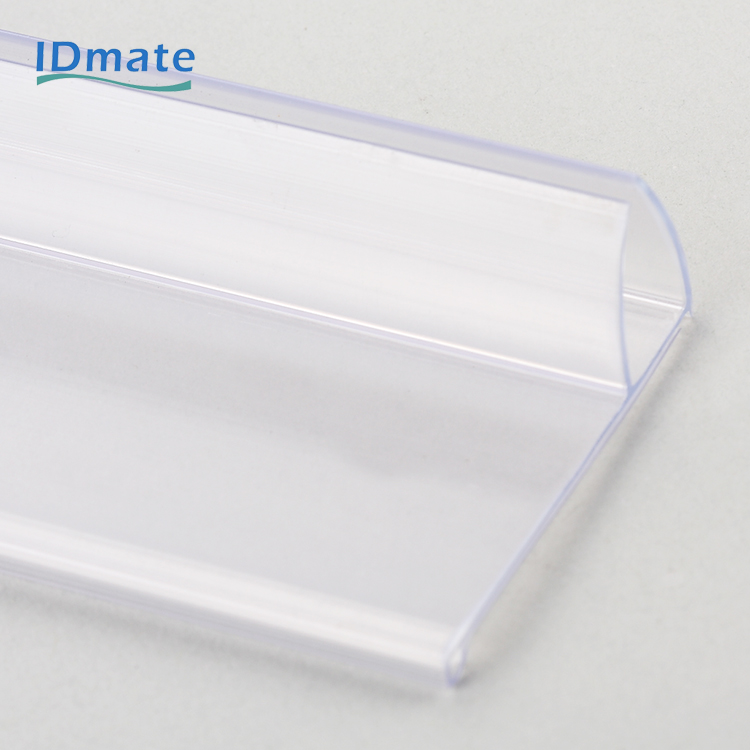
Shelf signage is highly effective in retail marketing. They can help increase product sales by 5-6%. Furthermore, they can increase the sales speed of products in stores by up to 22%. Retailers consider shelf talkers a great way to showcase products and help customers make purchasing decisions. Studies show that shelf signage attracts shoppers’ attention. They provide important product information, helping people choose which products to buy. Brands use shelf signage to make their advertising stand out. They make every product on the shelf seem more important.
Key Takeaways
- Shelf signage can help increase product sales by 5-6%. They can also increase sales speed by 22%. Using shelf signage can help your store achieve better results.
- Bright colors and eye-catching designs attract shoppers’ attention. Place shelf signage at eye level so people can easily see them.
- Short, clear messages help shoppers make quick decisions. Showcase important product features and offers to help them choose.
- Add QR codes to shelf signage to provide more product information. This can attract shoppers’ interest and provide them with a better shopping experience.
- Change shelf signage frequently to keep the information fresh and relevant. This keeps shoppers interested and makes them want to come back.
How Shelf Talkers Influence Shoppers
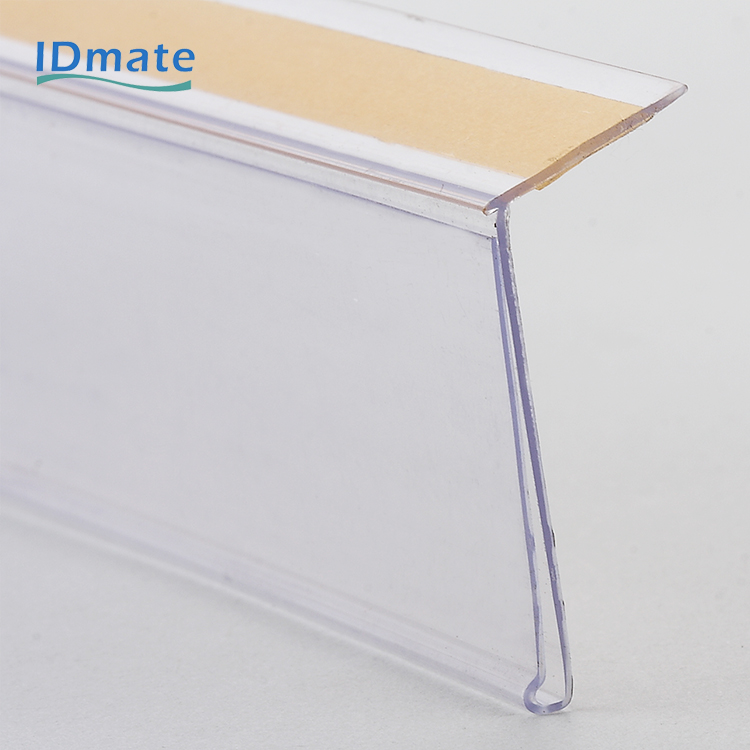
Attracting Attention
Shelf labels are easily noticed in busy stores. Shoppers see many products during each visit. Retailers use shelf labels to make products stand out. They choose bright colors and eye-catching fonts. Creative shapes help grab attention quickly. Placing shelf labels at eye level ensures more people see them. High-traffic areas also receive more attention. The table below shows how shelf labels use psychology to attract shoppers’ attention:
| Principle | Explanation |
|---|---|
| Visual Design Elements | Vibrant designs help shelf signage stand out in busy aisle environments. |
| Strategic Placement | Shelf signage placed at eye level is seen by more shoppers. |
| Messaging Techniques | Information is tailored to shopper needs, making products more appealing. |
Retailers know that shelf signage works best when it aligns with shopper needs. Some want deals, some want healthy options, and many want convenience or trendy products. Shelf signage uses design and psychology to help products stand out.
Communicating Value
Shelf signage does more than just attract attention. They directly showcase product value at the point of purchase. Shoppers need quick information to help them make choices. Shelf signage highlights product features, awards, or special offers. They use concise messaging and strong calls to action. Eye-catching visuals make products stand out on the shelves. Retailers place shelf signage at eye level for optimal impact. The table below explains how shelf signage communicates value:
| Evidence Type | Description |
|---|---|
| Eye-catching Visuals | Color and design help products stand out. |
| Clear Information | Concise messaging explains why the product is great. |
| Highlighting Key Differentiators | Special features or awards showcase what makes the product unique. |
| Educating at the Point of Sale | Shelf signage provides information to help shoppers make choices. |
| Supports In-Store Promotions | Shelf signage highlights promotions and special offers. |
Shelf signage helps shoppers feel confident in their choices. They guide customers and build brand image. During holidays, shelf signage acts as a silent assistant, converting browsing into purchases.
Driving Impulse Buys
Shelf signage helps stores increase sales through impulse purchases. Shoppers often make quick decisions in front of the shelves. Shelf signage utilizes engaging visuals and urgent messaging to encourage impulse buying. Studies show that shelf signage can increase sales by 5-6%. They can also help products sell up to 22% faster. Shelf signage placed at eye level is more easily seen, leading to more impulse purchases. Stores see significant changes, such as a 32% increase in sales of a particular wine at a wine store. Up to 76% of purchasing decisions are made in front of the shelves. Shelf signage converts interest into action, driving impulse purchases.
Tip: Stores should use shelf signage on promotional items and new products to generate more impulse purchases and attention.
Shelf Talkers: Effectiveness Data
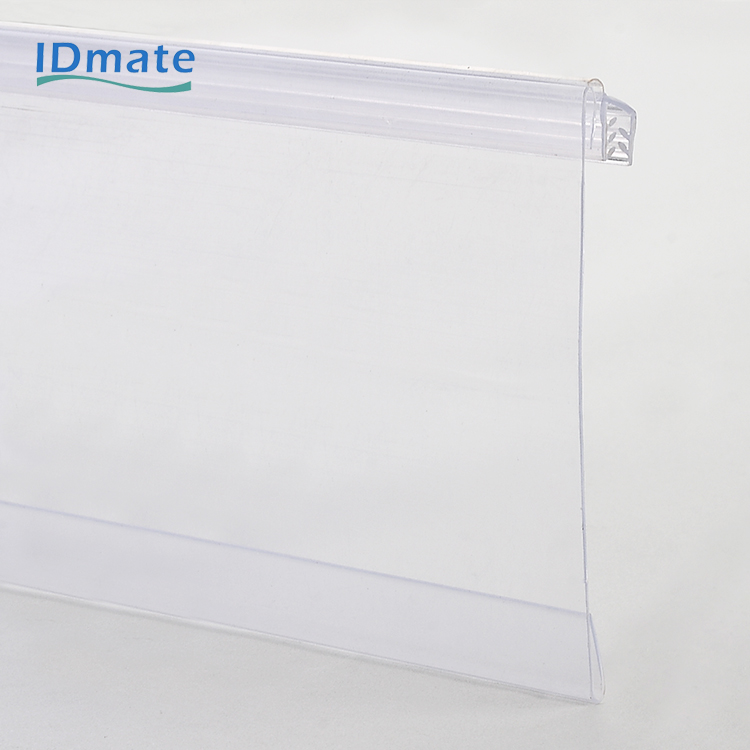
Sales Impact
Retailers notice significant changes after using shelf signage. This means products on the shelves sell out faster, allowing stores to restock promptly. Shelf signs act like silent salespeople, providing customers with information and helping them make quick purchasing decisions.
A well-known cereal brand tried a promotional campaign called “Breakfast Vitality” using shelf signage. The results showed an 18% increase in the time customers spent in the cereal aisle. This campaign resulted in a 12% increase in sales for that cereal. 5,000 coupons were redeemed within six weeks. These results demonstrate that shelf signage is more than just aesthetically pleasing; it helps stores increase sales.
Stores that purchase high-quality shelf signage from a trusted company like IDmate will experience consistent results. The sturdy materials and clear printing make the shelf signs durable and visually appealing. This helps stores maintain high sales figures in the long run.
Customer Engagement
Shelf signage does more than just boost sales; it also attracts customer attention. People notice shelf signage because it’s brightly colored and easy to read. These signs are eye-catching and make people stop and look. Shelf signage typically displays product features, awards won, or promotional information. This information helps customers feel more confident about their purchasing decisions.
Many brands use shelf signage to educate consumers. Beauty brands place QR codes on shelf wobblers. Customers can scan these QR codes to participate in surveys or learn more information. In one case, 65% of buyers said that shelf wobblers helped them make a purchase decision. Beverage brands have also seen great results. A summer promotion using engaging displays resulted in a 2.4x increase in coupon redemption and a 16% increase in sales.
Here are some ways shelf signage engages customers:
- Uses bright colors and concise text to attract attention.
- Encourages quick purchases by showcasing limited-time offers.
- Introduces products to customers without requiring staff assistance.
When stores use shelf signage in their marketing, the shopping experience is enhanced. Customers gain more information and are more willing to try new products.
Real-World Examples
Numerous real-world cases demonstrate that shelf signage helps brands succeed in stores. A major snack brand used large point-of-purchase (POP) displays at the end of aisles, resulting in a 20% increase in sales of new products. A beverage brand saw a 16% increase in sales through a summer promotional display. A beauty brand found that 65% of consumers were influenced by shelf wobblers with QR code surveys.
| Campaign Description | Measurable Outcome |
|---|---|
| Major snack brand uses large point-of-purchase (POP) displays at the end of aisles | 20% increase in new product sales |
| Beverage brand’s summer promotion using interactive displays | 2.4x increase in redemption rate, 16% increase in promotional product sales |
| Beauty brand uses shelf wobblers with QR code surveys | 65% of consumers influenced by the wobblers |
Stores also evaluate the cost savings achieved by using shelf labels. They found reduced employee workload, clearer price labeling, and smoother store operations. Shelf labels help maintain consistency between in-store and online pricing, thus building trust. They also reduce paper usage, making them more environmentally friendly.
Note:Choosing a reputable company like IDmate means high-quality shelf labels. High-quality materials and clever design help stores market better and maintain strong sales momentum.
Shelf Talkers Success Factors
Design & Visuals
Design is crucial to the effectiveness of shelf signage. Shoppers first notice bright colors and eye-catching designs. Concise messaging helps people quickly understand promotional offers. High-quality retail display materials clearly showcase the most important details. When shoppers see the brand, they trust it more. This also helps products stand out. Attractive product images grab attention and inspire purchase intent. Stores should use the same colors and fonts as the brand. This maintains a consistent overall visual effect. Signage needs to be changed frequently to keep it fresh and appealing.
| Design Element | Description |
|---|---|
| Concise Messaging | Short, clear, and easy-to-read messages for quick understanding. |
| Eye-Catching Colors and High Contrast | Vibrant colors help shelf labels stand out on busy shelves. |
| Brand Consistency | Matching colors and fonts help build brand recognition and trust. |
| Product Imagery | Photos or graphics attract attention and increase product visibility. |
| Clear Hierarchy | Important information is highlighted for easy viewing by shoppers. |
Retail display materials made from durable materials are more long-lasting. Acrylic and high-quality plastics keep shelf labels looking good. These materials help shelf labels stay in place and function effectively for extended periods.
Shelf Signage Placement Strategies
The placement of shelf signage is crucial for attracting customer attention. Shelf signs placed at eye level are most likely to be noticed. In marketing, this is known as “eye level is buy level.” Stores utilize this technique to increase sales and encourage impulse purchases. Placing signs in high-traffic areas or at the end of aisles is also helpful. High-quality retail display fixtures prevent shelf signs from falling. QR codes on shelf signs allow customers to quickly access information, helping them make purchasing decisions.
- Placing shelf signs at eye level helps customers see and purchase products.
- End-of-aisle and high-traffic areas are more likely to attract customer attention.
- Sturdy and durable retail display fixtures prevent signs from moving or falling.
Information Delivery Techniques
Clear information helps customers make purchasing decisions. Shelf signs should highlight product benefits. A strong call to action can prompt immediate purchases. Tailoring messages to different product types helps reach target audiences. Attractive design and clear pricing make promotional messages stand out. Stores should frequently change messages to prevent customer fatigue.
| Strategy | Purpose |
|---|---|
| Brand Consistency Customization | Build trust and connect with target customers. |
| Appealing Design | Attract attention and build emotional connection. |
| Strategic Placement | Increase product visibility in crowded stores. |
Retail display materials that help convey striking and clear messages can make products stand out. Well-made shelf signage helps customers see and purchase products.
Pros and Cons of Shelf Talkers
Key Benefits
Shelf signage offers numerous benefits to stores and brands. They help products stand out on the shelves. Customers can more easily discover new products or promotional items. Shelf signage is less expensive than television or magazine advertising. Stores can save money by using shelf signage. Employees don’t need to spend as much time explaining products, allowing them to dedicate more time to other tasks. Shelf signage is ideal for stores with fewer employees. Anyone can easily install shelf signage without special training.
Tip: Shelf signage can encourage people to buy items they didn’t originally plan to purchase. In the US, customers spend an average of approximately $183 per month on these displayed items.
Some shelf signs include QR codes. These QR codes allow customers to find more information online. People can learn about products right at the shelf. Shelf signage is compact and doesn’t take up much space. Stores can use them without crowding aisles.
| Benefit | Description |
|---|---|
| Cost-effective method of advertising | Shelf signage is significantly cheaper and more cost-effective than other advertising methods. |
| Reduces Retailer Workload | Employees can spend less time interacting with customers, freeing up time for other tasks. |
| Reduces the Number of Sales Staff Required | Because shelf signage provides sufficient information, the number of employees needed in the store is reduced. |
| Easy to set up | Anyone can easily create and install shelf signage without complex planning. |
| Effective communication with customers | Shelf signage can provide product information to customers without the need for sales staff. |
| Space-efficient | Shelf signage is compact and doesn’t take up much space. |
| No Experts Required for Setup | Excellent shelf signage can be created with simple skills and creativity. |
Potential Drawbacks
Shelf signage also has some drawbacks. If there are too many signs, customers may ignore them. The information must be easy to read and clear. Shelf signage needs to be changed frequently to ensure the information remains up-to-date. Stores must ensure that the shelf signage matches the brand and products.
| Evidence Type | Description |
|---|---|
| Cost-Effectiveness | Shelf signage is an important tool to help people decide which products to buy. |
| Impulse Purchases | U.S. shoppers spend about $183 each month on things they see on shelf talkers. |
| Technological Enhancements | New types of shelf signage use QR codes to connect in-store shopping with online shopping. |
Stores that use shelf signage correctly achieve better results. They keep shelves tidy and information clear. This helps customers quickly select the items they need and helps stores increase sales.
Maximizing Shelf Talker Results
Best Practices
Retailers can boost sales by using clever shelf signage methods. Bright colors and engaging images help products stand out. Catchy slogans grab customers’ attention. Short messages make for quick reading. QR codes allow customers to access more information or discounts directly at the shelf. Employee recommendations and personal notes help build customer trust in the products.
- Choose eye-catching colors and cool graphics to attract attention.
- Use short, concise text for easy understanding.
- Add QR codes for more detailed information or coupons.
- Show social responsibility to connect with socially conscious customers.
- Use employee recommendations to help customers trust the products.
- Tell the product’s story to create a personalized feel.
- Change shelf signage according to holidays or promotions.
- Place shelf signage at eye level so everyone can see it.
- Avoid placing too many products on the same display.
- Have employees regularly check and update the signage.
Tip: Stores should monitor sales data and listen to customer feedback. This helps them understand if the shelf signage is effective. They can adjust their strategy accordingly for better results.
Partnering with Manufacturers
Partnering with experienced manufacturers helps stores obtain high-quality shelf signage. Companies like IDmate can customize shelf signage for each product. They use durable materials and clear printing techniques to ensure the signage lasts. Stores can benefit from fast delivery, secure packaging, and expert assistance. The IDmate team can help any store design and produce shelf signage.
- Shelf labels from excellent partners are like extra assistants. They can share product tasting notes, prices, and important information.
- Even customers who don’t need employee assistance can get the information they need.
- Sales performance improves when stores use professionally designed shelf labels. Products with shelf labels sell faster and are more likely to attract customer attention.
Building a strong partnership with an experienced manufacturer helps stores achieve their goals. Stores can focus on sales while experts handle the design and production of shelf labels. This collaboration can lead to higher sales and an improved shopping experience.
CTA: Choose a trusted partner like IDmate to create shelf labels that make your products stand out and boost sales.
Shelf labels help stores increase sales and improve customer satisfaction. They display important product information to customers. Shelf labels also help increase brand awareness. Good design and easy-to-read information are crucial. Stores selling food, personal care products, and electronics perform well:
| Retail Segment | Key Insights |
|---|---|
| Food & Beverage | Helps boost sales and provides nutritional information |
| Personal Care | Guides customers on how to use the products |
| Electronics | Showcases cool features and special offers |
Proper use of shelf signage can attract repeat customers. Collaborating with experts helps stores maintain strong performance in the long run.
FAQ
What is a shelf talker?
A shelf talker is a small sign or label that attaches to a store shelf. It highlights products, shares deals, or gives quick facts. Shoppers see these signs right where they make buying choices.
Do shelf talkers really increase sales?
Yes! Shelf talkers can boost sales by 5–6%. They grab attention and help shoppers pick products fast. Many stores see products sell out quicker when they use shelf talkers.
How often should stores update shelf talkers?
Stores should update shelf talkers every few weeks. Fresh designs and new messages keep shoppers interested. Regular updates help products stand out and keep information correct.
Can shelf talkers work for any product?
Shelf talkers work for almost any product. Food, drinks, beauty items, and electronics all benefit. They help shoppers notice new items, special deals, or important features.
Why choose a professional manufacturer like IDmate?
IDmate uses strong materials and clear printing. Their team creates custom designs that fit any brand. Fast delivery and expert support help stores get the best results from every shelf talker.